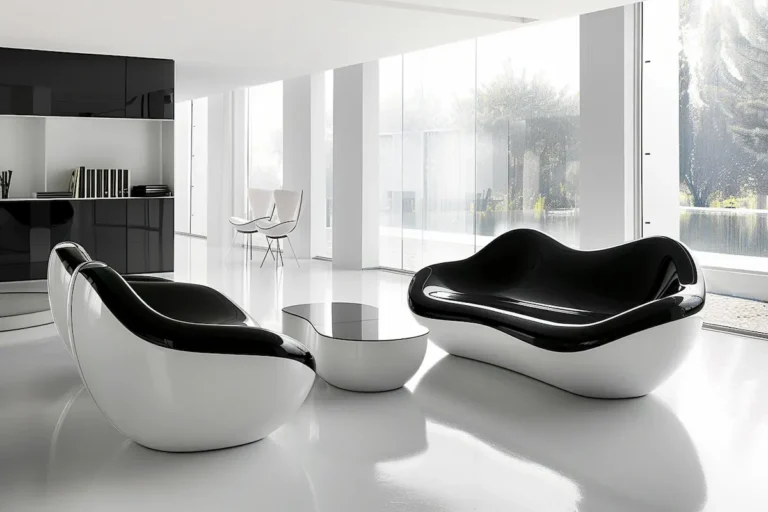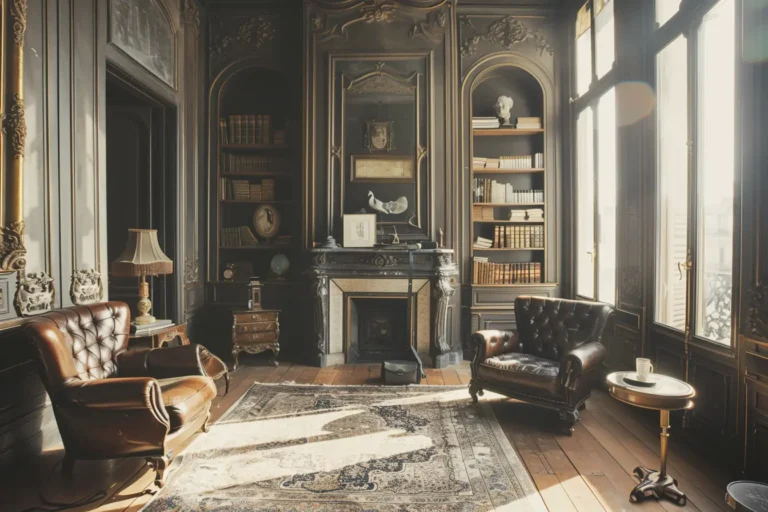

Timeless vs trend-driven interiors: what actually lasts (and what doesn’t)
Trends make interior design feel exciting.
They promise freshness, relevance, and the feeling of being “up to date”.
But excitement is not the same as satisfaction.
Many people look back at past interior choices and think:
Why did this feel right at the time — but wrong so quickly after?
This article explains the difference between timeless interiors and trend-driven interiors, why trends often lead to regret, and how to make choices that continue to feel right long after the excitement fades.
Not by avoiding trends entirely —
but by understanding where they belong, and where they don’t.
Why trends feel so convincing
Trends work because they speak to emotion.
They:
- create urgency
- offer certainty
- simplify decisions
A trend tells you:
“This is what good design looks like right now.”
That reassurance is powerful — especially when you feel unsure.
Trends also remove responsibility:
- you’re not choosing alone
- you’re following something validated
- the decision feels safe
At least in the moment.
The hidden cost of trend-driven interiors
Trend-driven interiors often age faster than expected.
Not because they were “bad”, but because:
- they were designed for visibility
- not longevity
Trends focus on:
- surface-level signals
- recognizable aesthetics
- instant impact
Once those signals change, the space starts to feel outdated — even if nothing is technically wrong.
This creates a cycle:
- update → relief → dissatisfaction → update again
Not calm. Not sustainable.

Timeless design is not trend-free
A common misunderstanding is that timeless interiors are boring or conservative.
They’re not.
Timeless interiors still evolve —
but they evolve slowly and intentionally.
The key difference is this:
- Trends prioritize recognition
- Timeless design prioritizes endurance
Timeless interiors don’t try to look current.
They try to stay relevant.
What actually makes an interior timeless
Timelessness doesn’t come from a single look.
It comes from foundational choices that don’t depend on fashion.
These include:
- proportion
- material quality
- functional clarity
- visual balance
These elements age well because they’re rooted in how humans experience space — not in what’s trending visually.
Materials age. Trends expire.
One of the clearest indicators of longevity is material choice.
Natural materials like:
- wood
- stone
- linen
- wool
change over time, but don’t become irrelevant.
Synthetic trend materials often:
- discolor
- feel dated
- lose appeal quickly
A space built on material integrity stays convincing, even as details shift.
This principle is also why many minimalist interiors fail when they rely on visual reduction alone — something explored in Why minimalist interiors often fail in everyday living.

Trend-heavy spaces create decision fatigue
Another overlooked issue with trend-driven interiors is mental fatigue.
When a space is built around a specific moment in time:
- every addition has to match
- every change feels risky
- flexibility disappears
The interior becomes fragile.
Timeless interiors allow:
- gradual changes
- personal additions
- evolving needs
They don’t collapse when life changes.
Calm and timelessness are closely linked
Timeless interiors often feel calm — not by accident.
Calm comes from:
- visual predictability
- clear hierarchy
- lack of urgency
Trends, by nature, create urgency.
This is why trend-heavy interiors often feel stimulating rather than restful — even when they’re beautiful.
If calm is a priority for you, understanding this distinction matters.
For a deeper explanation of how calm works on a physical level, read
Designing for calm: how interiors influence how you feel.

Where trends do belong
Avoiding trends entirely isn’t realistic — or necessary.
Trends work best when they’re applied to:
- easily replaceable elements
- low-investment items
- accents rather than foundations
Examples:
- cushions
- accessories
- small furniture
- art
This allows you to enjoy trends without committing your entire interior to them.
The problem with trend-led renovations
Renovations driven by trends are the hardest to undo.
Think of:
- fixed color palettes
- highly specific finishes
- extreme contrasts
When these age, they’re expensive to change.
Timeless renovations focus on:
- neutral foundations
- flexible layouts
- adaptable materials
This doesn’t mean “plain” —
it means open-ended.
Timeless doesn’t mean neutral for everyone
Another misconception is that timeless equals neutral.
While neutrals often age well, timelessness is more about coherence than color.
A space can include:
- color
- contrast
- character
As long as these choices are:
- intentional
- proportionate
- grounded
This is where many people confuse trends with personality.
Personality lasts.
Trends don’t.
How to recognize trend-dependence in your own space
Ask yourself:
- Would this still feel right if this style wasn’t popular?
- Does this rely on recognition to feel “good”?
- Am I afraid to change small things because it might break the look?
If the answer is yes, the interior may be trend-dependent.
That doesn’t mean it’s wrong —
but it does mean it may not age peacefully.
Timeless interiors support long-term living
People who plan to stay in a home longer benefit most from timeless design.
Not because it’s “safe”, but because it:
- reduces future decisions
- adapts to life changes
- supports evolving routines
This is especially relevant for people seeking calm and stability.
Approaches like Crafted Minimalism work well here because they focus on structure, materials, and balance rather than visual statements.
If you want to see how timeless principles translate into a style framework, read
Crafted Minimalism interior: materials, balance and timeless calm.

When trend-led design can be the right choice
There are situations where trends make sense:
- temporary homes
- rental spaces
- experimental phases
In these cases, trends offer:
- freedom
- expression
- low commitment
Problems arise when short-term thinking is applied to long-term spaces.
Matching the design approach to the duration of use prevents regret.
Making better decisions going forward
The goal isn’t to reject trends —
it’s to place them correctly.
Ask:
- Is this a foundation or an accent?
- Can this be changed easily?
- Will this choice still make sense if trends shift?
These questions slow decisions down — and that’s a good thing.
Final thoughts
Timeless interiors aren’t about playing it safe.
They’re about choosing things that continue to feel right after novelty fades.
When interiors are built on:
- material integrity
- functional clarity
- visual balance
They age quietly.
And quiet aging is often what people mean when they say:
“I just want my home to feel right.”

Where to go next
If this article resonated, these pages will help you move forward:
- Interior Style Decision Guide
(find a direction that fits your life) - Why minimalist interiors often fail in everyday living
(understand why surface-level design doesn’t last) - Crafted Minimalism interior: materials, balance and timeless calm
(see how timeless principles become a livable style)