
Smart Living & Calm Interiors: A Guide to Peaceful Homes
The Shift Toward Calm, Intelligent Living
There was a time when a “modern home” meant more—more devices, more features, more control. But somewhere along the way, that idea started to backfire. Homes became filled with notifications, glowing screens, and constant decisions. Instead of making life easier, technology often made it feel louder.
At the same time, our interiors didn’t adapt. We designed beautiful spaces, but still had to manually adjust lighting, temperature, and routines throughout the day. The result? A home that looks calm—but doesn’t actually feel calm.
That’s where smart living meets calm interiors.
This new way of living isn’t about adding more technology. It’s about removing friction. It’s about creating a home that quietly supports your day—adjusting light before you notice it’s too dark, maintaining a comfortable temperature without effort, and reducing the number of decisions you have to make.
In this article, we’re not diving into gadgets or technical setups. Instead, we explore a bigger shift: how technology and interior design can work together to create a home that feels slower, softer, and more intentional.
Because true comfort isn’t just what you see—it’s what you don’t have to think about anymore.
What Is Smart Living in the Context of Interiors?
Smart living is often misunderstood. For many people, it still brings to mind voice assistants, app-controlled devices, and homes filled with visible technology. But in the context of interiors, smart living is something much quieter—and much more refined.
At its core, smart living is about reducing the effort required to live well.
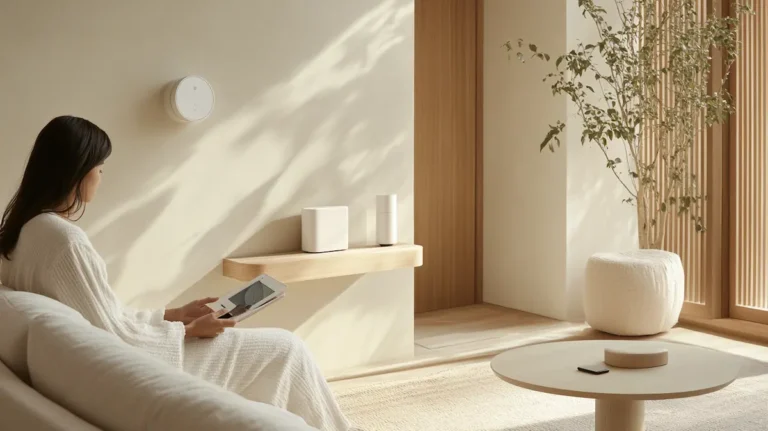
Instead of constantly adjusting your environment, your home begins to respond to you. Lighting shifts gradually as the day changes. Temperatures stay consistent without manual input. Daily routines happen almost automatically, without needing to think about them. The goal isn’t control—it’s ease.
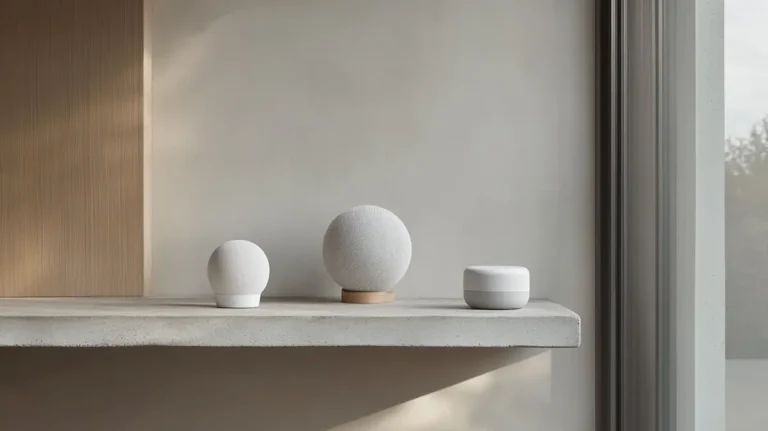
What makes this especially powerful in interior design is that the technology itself fades into the background. You don’t see it. You don’t interact with it constantly. It simply supports the atmosphere of the space.
This is where smart living differs from the typical “smart home” idea. It’s not about how many devices you own, but about how seamlessly everything works together. A truly well-designed smart home doesn’t feel technical—it feels calm, intuitive, and almost invisible.
If you’re new to this concept and want to understand the basics without feeling overwhelmed, it helps to start with a clear foundation. In that case, you can explore What Is a Smart Home? (Beginner Guide Without Overwhelm), where the core ideas are broken down in a simple, accessible way.
Because once you understand what smart living really is, you realize it’s not about adding more—it’s about needing less.
Why Modern Homes Feel Overwhelming (And How Smart Living Fixes It)

Most homes today aren’t lacking comfort—they’re lacking clarity.
We’ve become used to environments that constantly ask something from us. Adjust the lights. Change the temperature. Close the curtains. Turn off devices. Small actions, repeated dozens of times a day. Each one seems insignificant, but together they create a subtle layer of mental noise.
This is what’s often missing in conversations about interior design: a space can look calm, but still feel overwhelming.
A big part of this comes down to decision fatigue. The more choices you have to make throughout the day, the more your energy gets depleted. And in most traditional homes, these decisions never stop. Even something as simple as lighting becomes a repeated task instead of a natural transition.
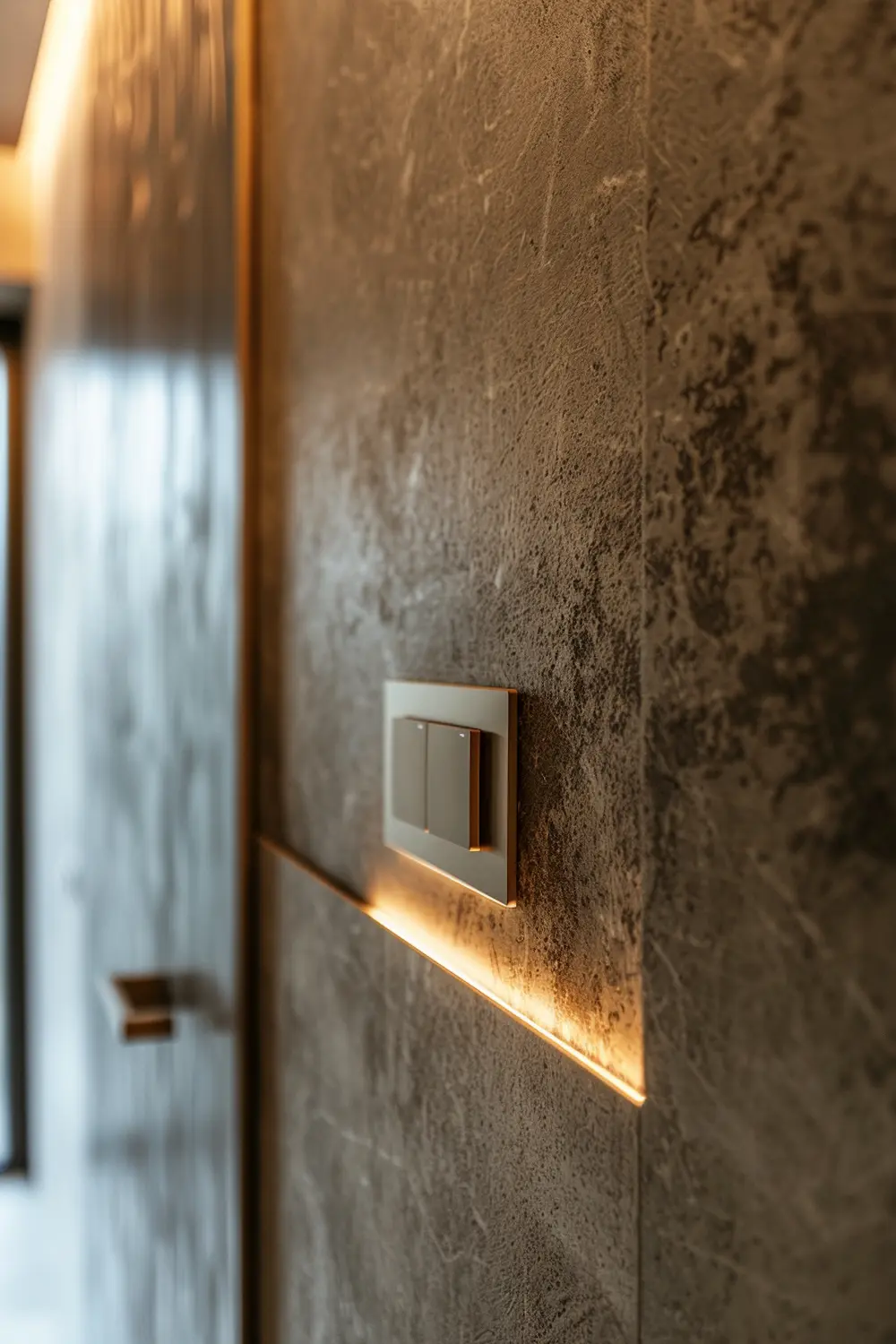
On top of that, there’s visual and digital clutter. Think of multiple switches on the wall, devices that don’t work together, notifications interrupting your focus. Instead of supporting your environment, technology becomes another source of distraction.
This is where smart living starts to change the experience entirely.
By automating the small, repetitive decisions, your home begins to feel quieter. Lighting adjusts gradually instead of abruptly. Temperature remains stable without constant input. Systems work together instead of separately. The result isn’t just convenience—it’s mental space.
If you want to understand more about how this directly impacts your mind and daily energy levels, it’s worth diving deeper into The Psychology of Calm Living with Technology.
Because the real benefit of smart living isn’t what it adds to your home—it’s what it takes away.
The Core Principle: Calm Through Reduction, Not Addition

One of the biggest misconceptions about smart living is that it requires more—more devices, more systems, more complexity. But in reality, the most calming homes follow the opposite principle:
they remove more than they add.
A well-designed smart interior isn’t filled with visible technology. It’s defined by what’s no longer needed. Fewer switches on the wall. Fewer remotes on the table. Fewer moments where you have to stop and adjust your environment.
This is where smart living becomes a design philosophy, not just a technical upgrade.
Instead of layering technology on top of your home, it becomes integrated into it. Lighting is no longer something you control—it’s something that adapts. Temperature isn’t something you think about—it’s simply comfortable. Curtains, sound, even daily routines begin to align quietly in the background.
The result is a space that feels lighter, both visually and mentally.
This idea is often referred to as “invisible living”—a way of designing where the systems that support your life are present, but never demanding attention. You don’t see them. You don’t think about them. But you feel the difference every single day.
And that’s where the real shift happens.
Because once your home stops asking things from you, it finally becomes a place where you can slow down.
Minimalist Smart Homes: Where Design Meets Function
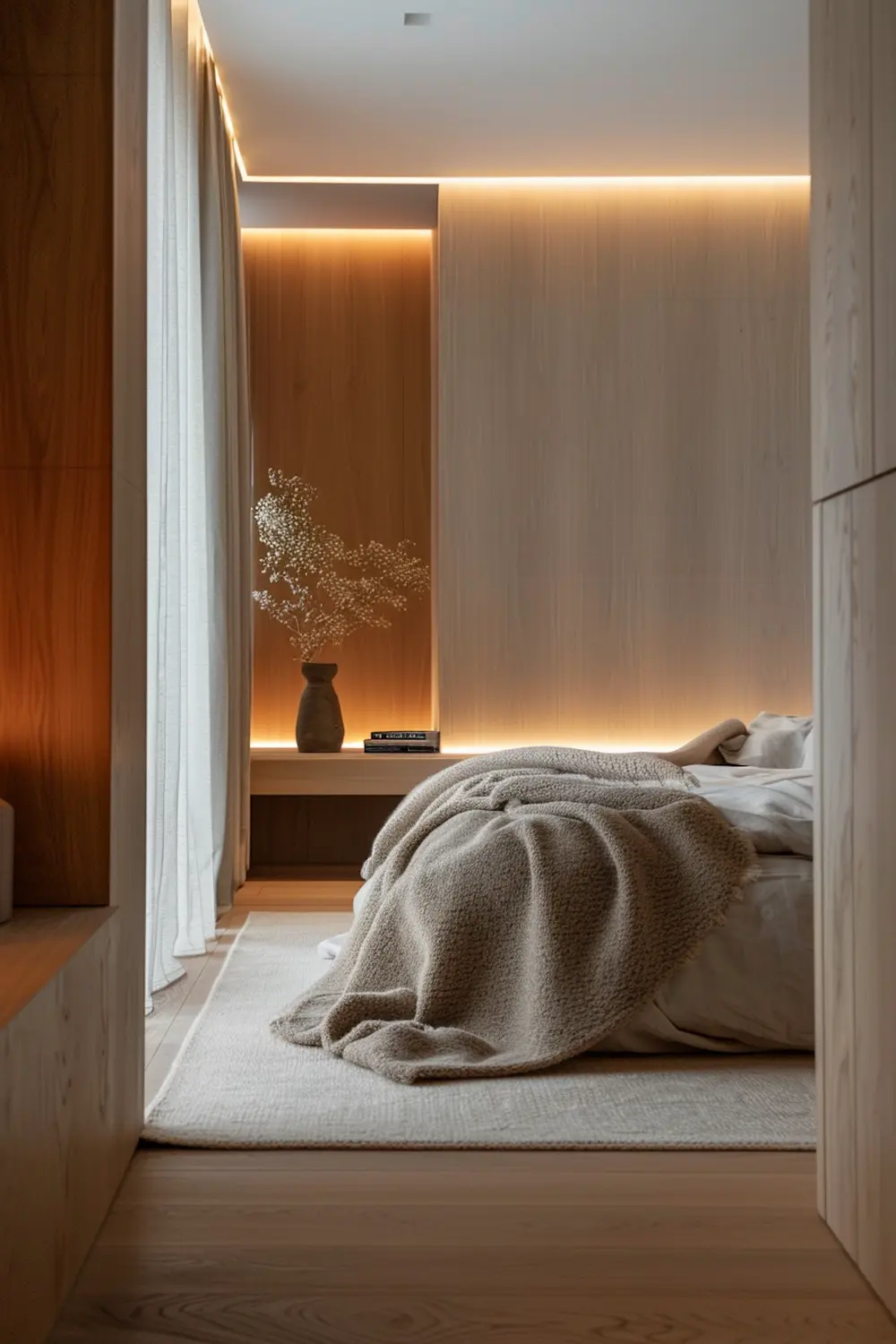
Minimalism and smart living are often seen as separate ideas—but when they come together, they create something far more powerful than either one alone.
Minimalist interiors focus on visual calm. Clean lines, limited color palettes, and carefully chosen materials create a sense of space and stillness. But without the right systems in place, even the most minimal home can still require constant interaction—adjusting lights, managing temperature, or dealing with everyday distractions.
That’s where smart living completes the picture.
In a minimalist smart home, design and function are no longer separate layers. They work together seamlessly. Lighting adjusts throughout the day without visible switches interrupting the walls. Temperature stays comfortable without the need for manual control. Even small routines—like dimming lights in the evening—happen naturally, without effort.
The result is a home that doesn’t just look calm, but actually supports a calmer way of living.
What makes this combination so effective is the shared philosophy behind both concepts: intentionality. Nothing is added without purpose. Every element—whether it’s a material, a piece of furniture, or a smart system—serves a role in creating a quieter, more balanced environment.
If you want to explore how this balance works in more detail, take a look at Minimalist Smart Homes: Less Tech, More Peace, where the focus is on achieving this harmony without overcomplicating your space.
Because when minimalism and smart living align, your home doesn’t just become simpler—it becomes effortless.
Smart Living vs Traditional Living: A New Way of Experiencing Home

To really understand the impact of smart living, it helps to compare it to something familiar: the traditional way we experience our homes.
In a traditional setup, your home is reactive. You walk into a dark room and turn on the lights. You feel cold and adjust the thermostat. You notice it’s getting late and manually dim the lights or close the curtains. Every comfort in your home depends on a decision you make first.
It works—but it constantly asks for your attention.
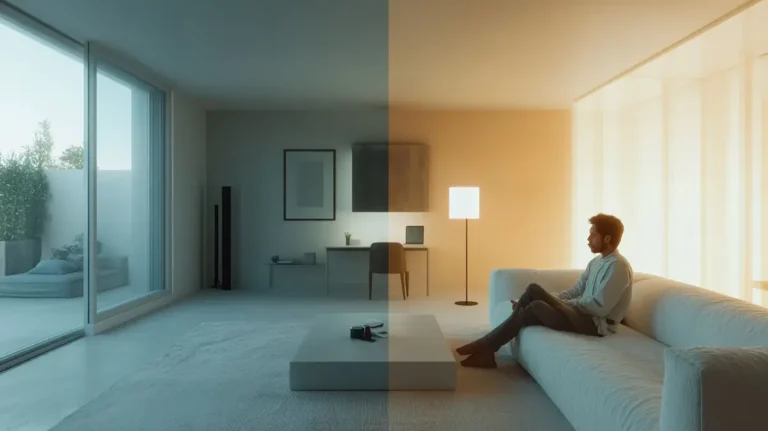
Smart living shifts this dynamic entirely. Instead of reacting to your environment, your home becomes proactive. Lighting adjusts based on time of day or presence. Temperature remains stable without constant input. Even small transitions—like moving from day to evening—happen gradually, without interruption.
What changes isn’t just convenience—it’s the experience of being at home.
There’s less friction. Fewer interruptions. Fewer moments where you have to stop what you’re doing to manage your surroundings. Your home starts to feel like it’s flowing with you, rather than waiting for instructions.
This difference becomes especially clear over time. What once felt normal—constantly adjusting, managing, thinking—starts to feel unnecessary.
If you want a deeper comparison between these two ways of living and how they impact comfort and daily routines, you can explore Smart Home vs Traditional Living: What Actually Feels Better?.
Because the future of living isn’t about doing more—it’s about needing to do less.
From Chaos to Calm: How Smart Homes Create Mental Space
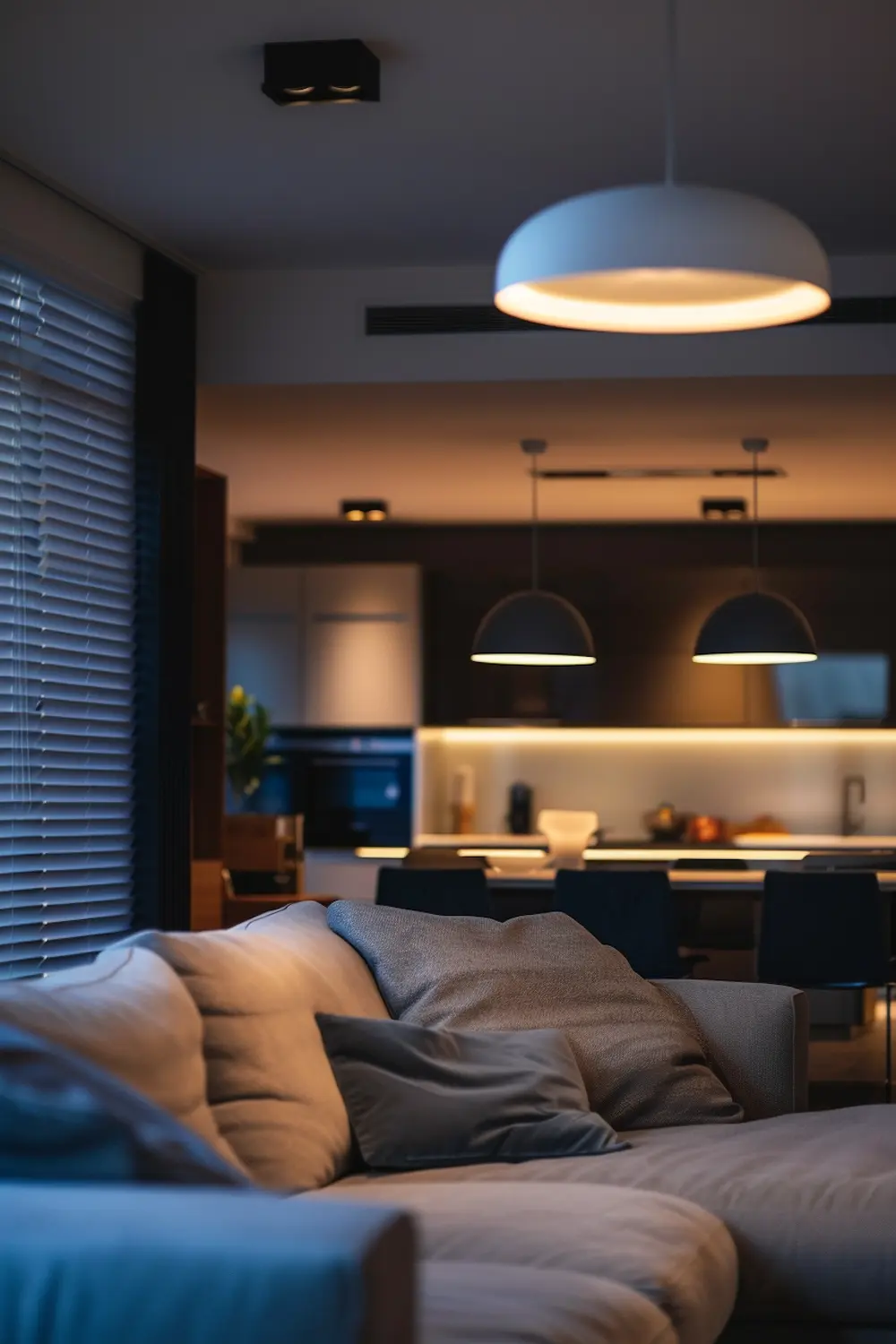
One of the most overlooked benefits of smart living isn’t convenience—it’s mental space.
In a traditional home, your environment constantly competes for your attention. Lights that are too bright or too dim. A room that feels slightly too warm or too cold. Curtains you forgot to close. Small imperfections that keep pulling you out of the moment.
Individually, they don’t seem like much. But together, they create a background layer of tension.
Smart living changes this by quietly removing those interruptions.
Instead of reacting to your environment, your home begins to anticipate your needs. Lighting softens as the evening approaches. Blinds adjust to control natural light throughout the day. Temperature remains consistent without constant input. These transitions don’t happen suddenly—they happen gradually, almost unnoticed.
And that’s exactly the point.
Because when your environment stops demanding attention, your mind has more room to focus, relax, or simply be present. The space around you becomes supportive instead of distracting.
This is what transforms a smart home into a calm home. Not the technology itself, but the way it filters out unnecessary input and reduces the number of decisions you have to make.
If you want to explore how these systems work together to create that sense of calm without adding complexity, take a closer look at Smart Calm Living: How Smart Homes Create Calm, Not Chaos.
Because true comfort isn’t just about what your home does—it’s about what it allows you to stop thinking about.
The Role of Interior Design in Smart Living
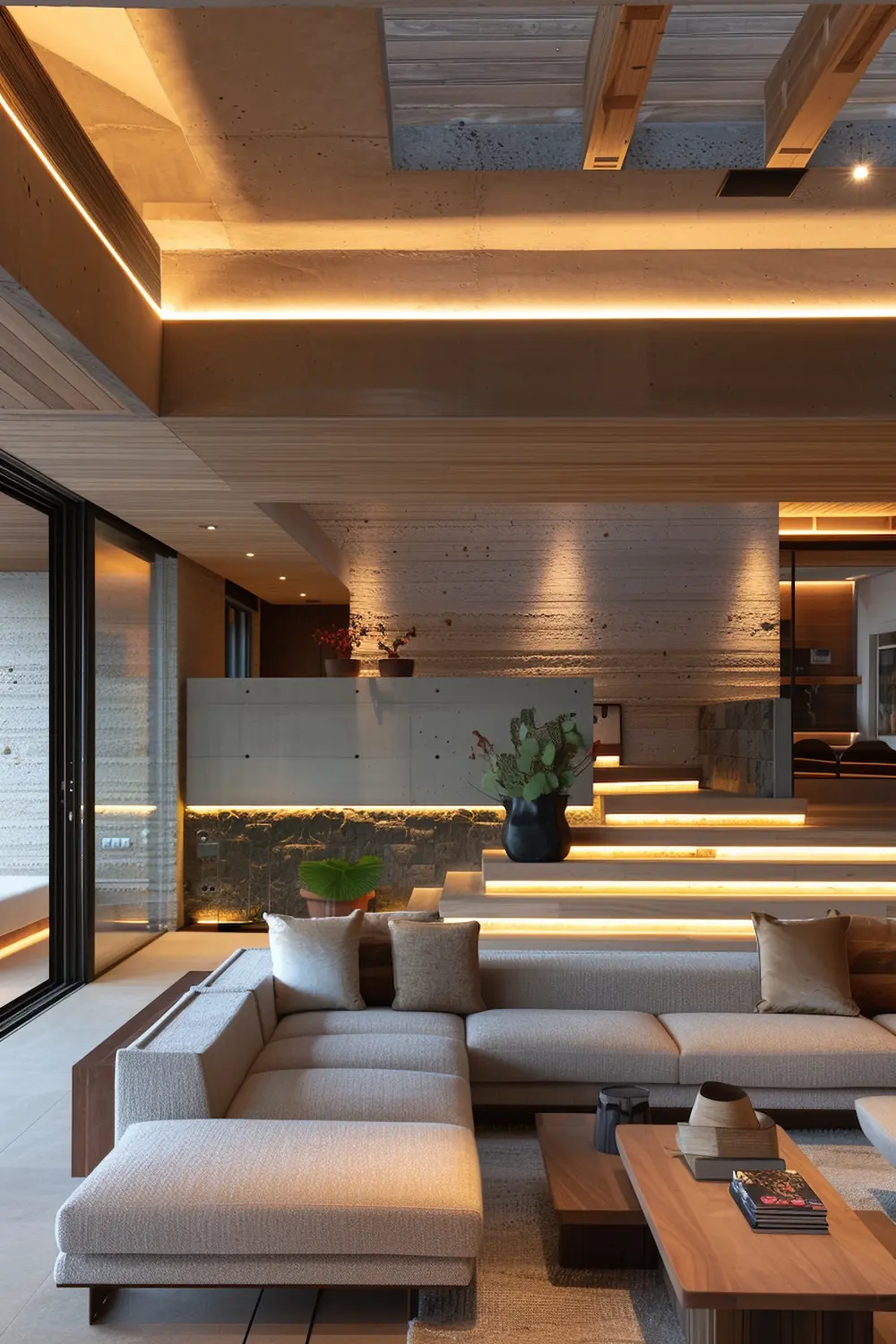
Technology alone doesn’t create a calm home. Without the right interior design, even the smartest systems can still feel intrusive.
That’s because calm isn’t just functional—it’s sensory.
Interior design shapes how a space feels before you even interact with it. Materials absorb or reflect light. Layouts guide movement. Colors influence your energy levels. And when these elements aren’t aligned, no amount of automation can fully compensate for it.
This is where smart living and interior design need to work together.
For example, automated lighting only feels natural if the light itself is soft, layered, and well-placed within the space. A smart thermostat adds comfort, but only if the room’s materials and layout support a balanced temperature experience. Even something as simple as sound—often overlooked—depends heavily on textures, furniture, and spatial design.
In other words, technology can enhance a space, but it can’t fix a poorly designed one.
The most successful smart interiors are those where you can’t clearly separate design from function. The technology is integrated into the architecture. The atmosphere feels intentional. And every element—visible or invisible—works toward the same goal: creating a space that feels effortless to be in.
Because in the end, smart living isn’t about having a high-tech home.
It’s about having a home that feels right, without needing constant adjustment.
Key Elements of a Calm Smart Interior (High-Level Overview)
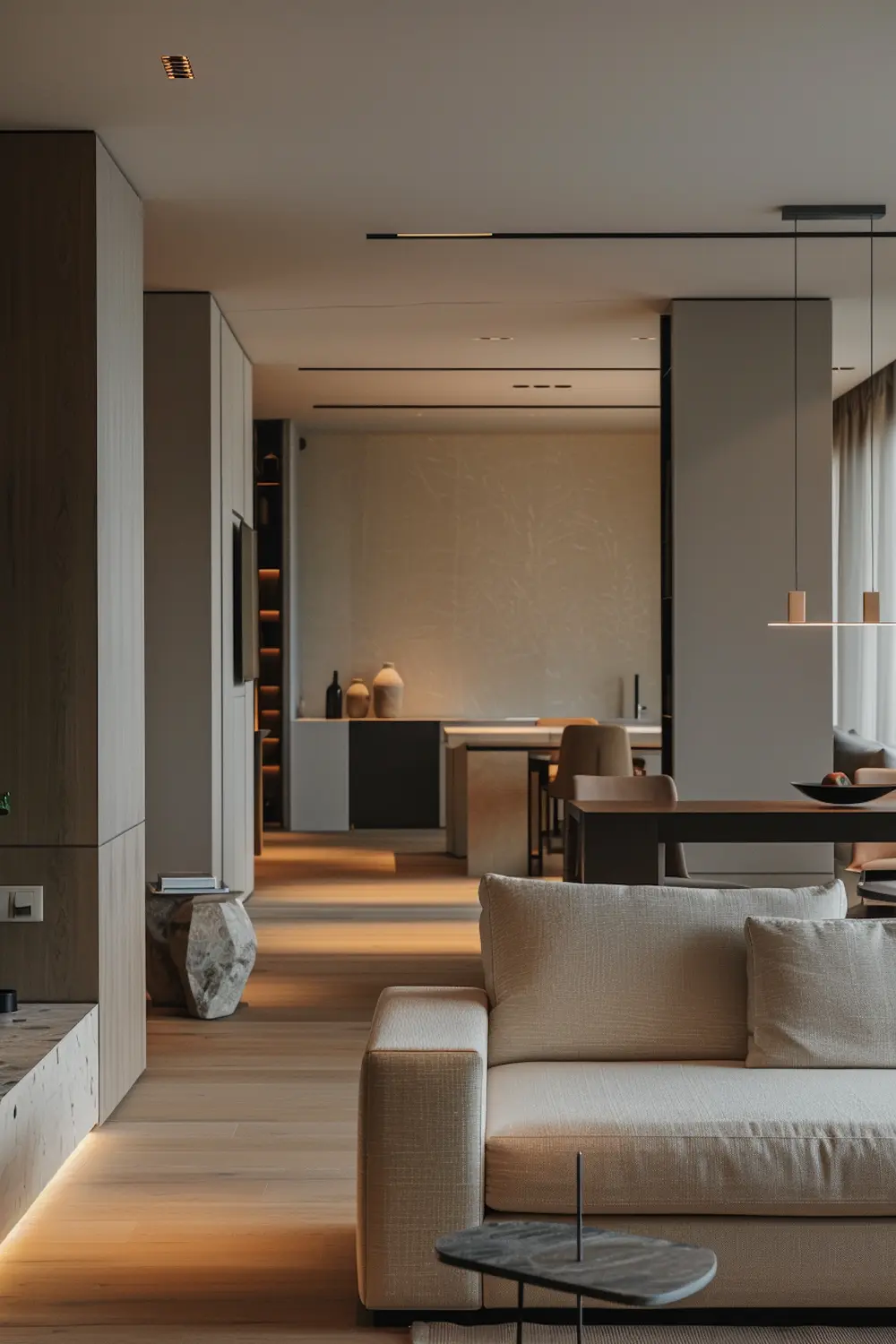
A calm smart home isn’t defined by one system—it’s the result of multiple elements working together quietly in the background.
Think of it as an ecosystem, where each layer supports the overall feeling of ease.
Lighting is often the foundation. Not just brightness, but how light changes throughout the day. Soft in the morning, functional during the day, and gradually warmer and dimmer in the evening. When this happens automatically, it removes the need to constantly adjust your environment.
Automation is what ties everything together. The goal isn’t to control everything from your phone, but to reach a point where you barely need to interact at all. Systems respond to time, presence, or simple routines—without interrupting your flow.
Sound and silence play a subtle but powerful role. A calm home reduces unnecessary noise, whether it’s through better materials, layout, or simply fewer active devices competing for attention.
Temperature control ensures consistency. Instead of reacting to discomfort, your home maintains a stable, comfortable environment throughout the day.
And finally, there’s clutter reduction—both physical and digital. Fewer visible devices, fewer cables, fewer notifications. Everything that doesn’t need to be seen or heard is minimized.
Individually, these elements might seem small. But together, they create a home that feels lighter, quieter, and easier to live in.
And most importantly—they shift your home from something you manage… to something that supports you.
Common Mistakes in Smart Living (That Create More Stress)
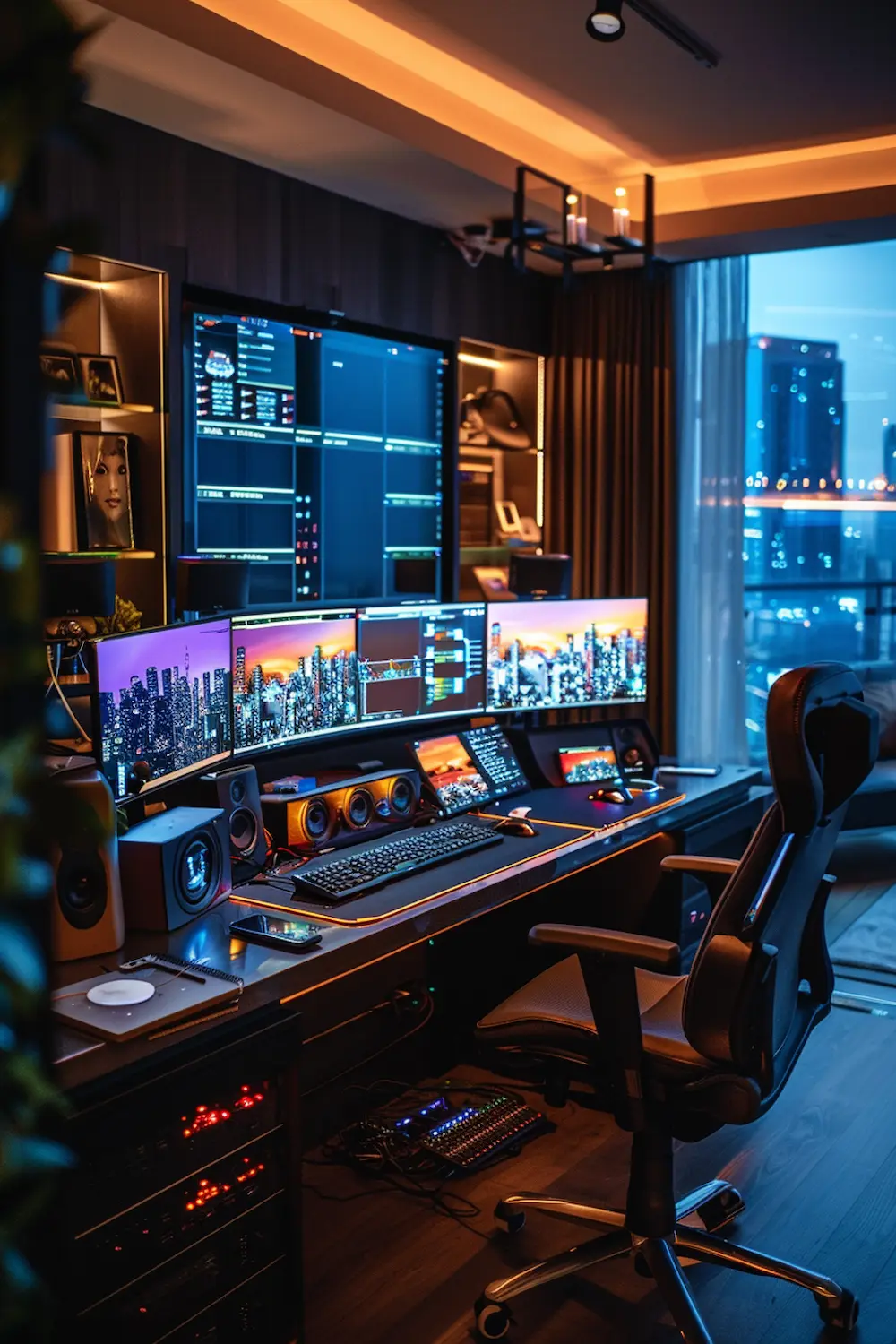
Smart living promises simplicity—but when done wrong, it can easily create the opposite effect.
One of the most common mistakes is adding too much technology too quickly. Multiple apps, disconnected systems, and devices that don’t communicate with each other often lead to more frustration instead of less. Instead of reducing decisions, you end up managing even more.
Another issue is over-automation. Not everything needs to be automated. When too many systems are constantly adjusting—lights changing unexpectedly, notifications popping up, routines triggering at the wrong time—it can make a home feel unpredictable rather than calm.
There’s also the problem of visible technology. Screens, switches, cables, and devices that dominate the space disrupt the visual quiet that calm interiors rely on. Even if everything works perfectly, the environment can still feel busy.
And then there are notifications—arguably one of the biggest hidden stress factors. A smart home that constantly sends alerts defeats its own purpose. Instead of supporting your environment, it pulls your attention back into it.
Finally, many people overlook the importance of cohesion. Smart living isn’t about individual devices—it’s about how everything works together. Without a clear structure or intention, even the best technology can feel scattered.
The goal isn’t to build a “smarter” home.
It’s to build one that asks less of you.
And that only happens when every decision—what to include, what to automate, and what to remove—is made with calm as the priority.
The Future of Calm Interiors: Living With Less Effort
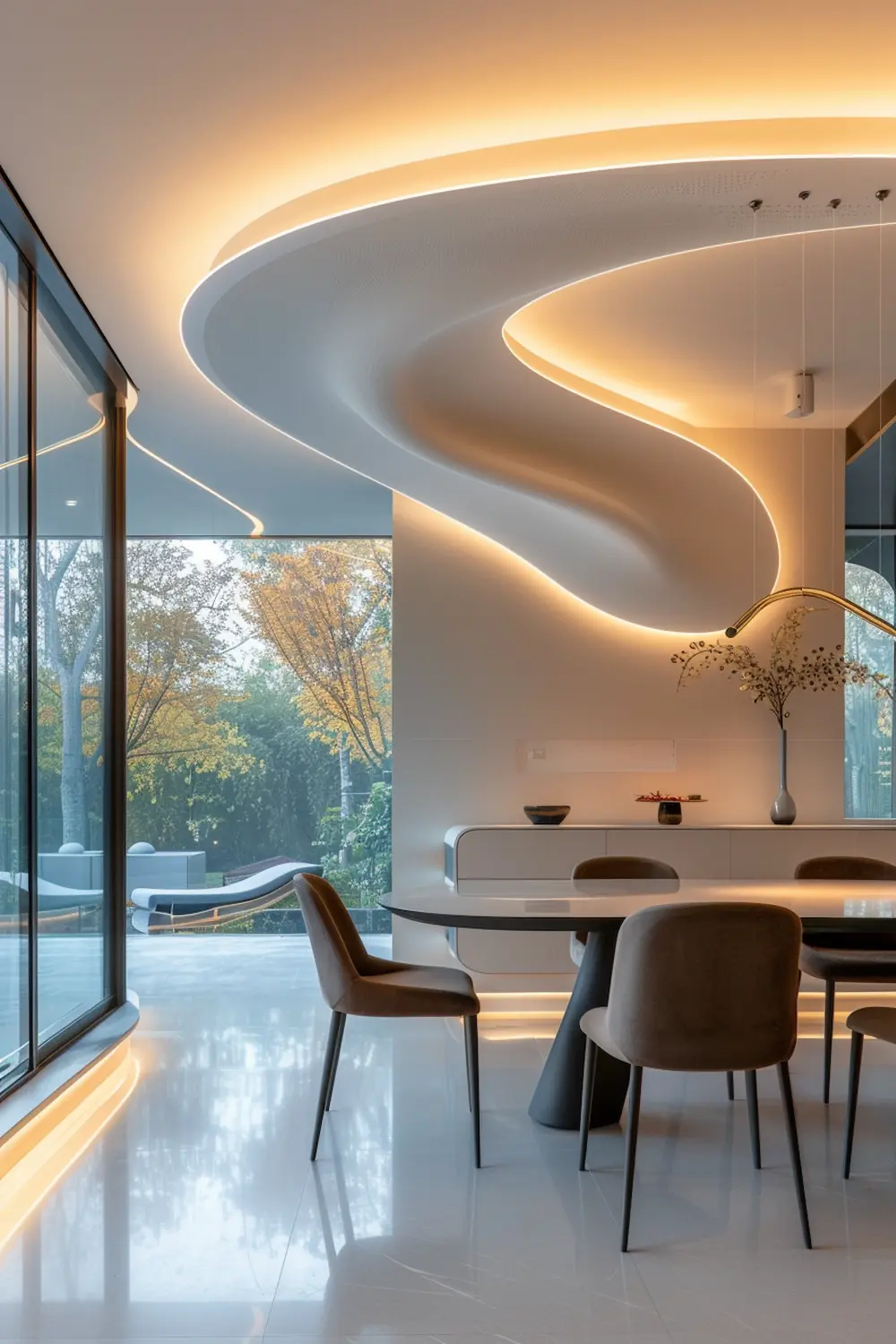
Smart living is still evolving—but the direction is becoming increasingly clear.
We’re moving away from homes that require constant interaction, toward environments that quietly adapt on their own. Technology is becoming less visible, less demanding, and more integrated into the architecture itself. Instead of adding layers, it’s dissolving into the background.
This shift is redefining what comfort actually means.
In the near future, homes won’t just respond to simple triggers like time or motion. They’ll begin to understand patterns. Your routines, preferences, and rhythms will shape how your environment behaves—without needing to program every detail manually.
Lighting will adjust not just based on time of day, but on how you use a space. Temperature will adapt to your habits. Entire atmospheres will shift seamlessly from morning to evening without a single input.
But perhaps the most important change isn’t technological—it’s emotional.
Homes are no longer being designed around efficiency alone. They’re being designed around well-being. Around reducing stress, improving focus, and creating a sense of calm that extends beyond aesthetics.
Because the real future of smart living isn’t about smarter systems.
It’s about living in a space that feels effortless.
Conclusion: Smart Living Is Not About Technology — It’s About Feeling at Home

At first glance, smart living might seem like a story about technology.
But as you’ve seen throughout this article, it’s really about something else entirely.
It’s about creating a home that doesn’t constantly ask for your attention. A space where light, temperature, and daily rhythms align naturally with how you live—without effort, without interruption. Where both your environment and your mind can finally slow down.
The most successful smart homes aren’t the ones with the most features.
They’re the ones that feel the simplest to live in.
When technology fades into the background and design supports a sense of calm, your home becomes more than just a place to live. It becomes a place that restores you.
And that’s the real goal of smart living.
Not more control.
Not more systems.
Just a home that quietly works—so you don’t have to.