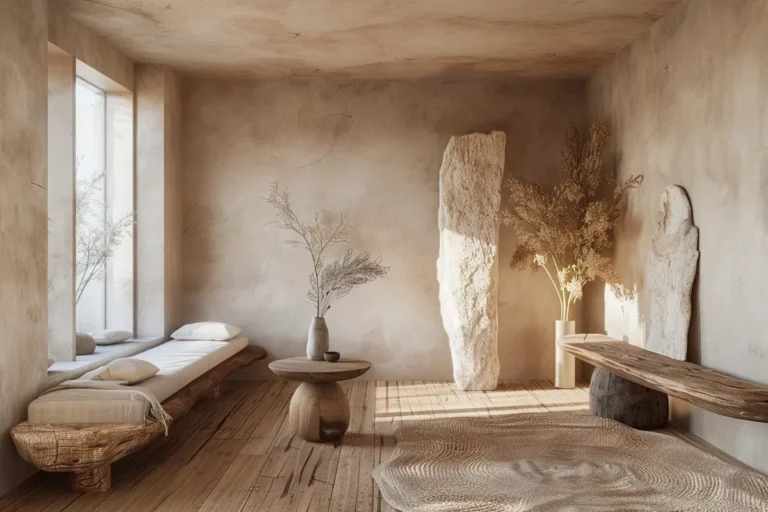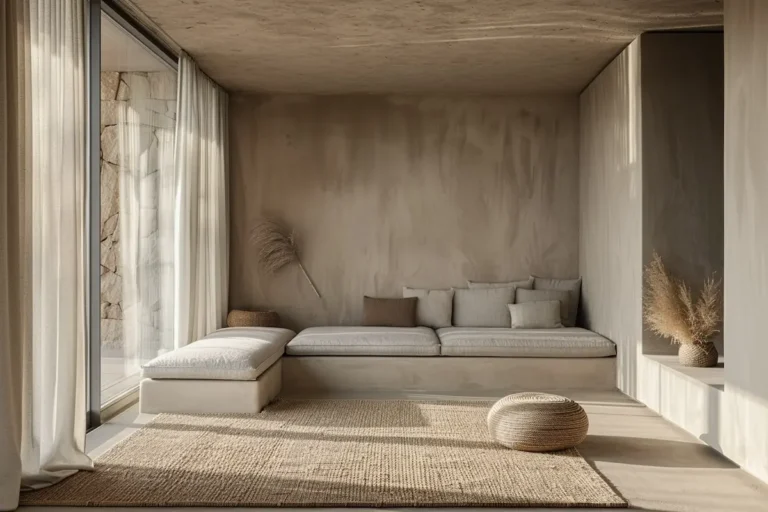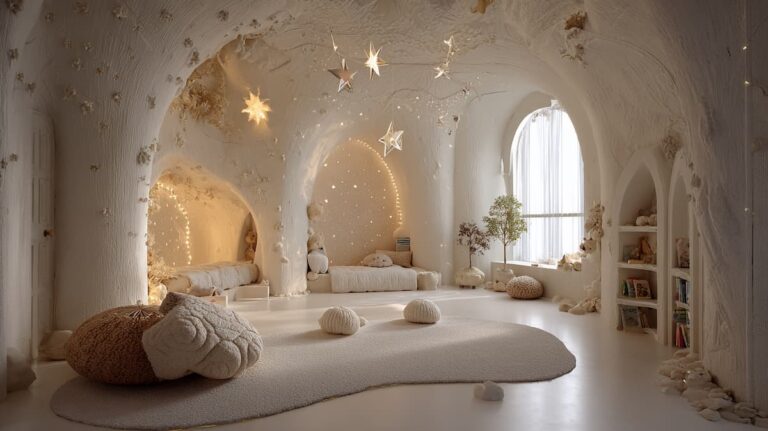

Crafted Minimalism vs Japandi
Understanding the difference between calm by design and calm by fusion
Crafted Minimalism and Japandi are often mentioned in the same breath.
Both are described as calm. Both rely on natural materials. Both reject excess.
And yet, when people try to apply them in real homes, the difference becomes clear.
Japandi often feels styled.
Crafted Minimalism feels structured.
This article explains what truly separates Crafted Minimalism from Japandi, not at the level of aesthetics, but at the level of design philosophy, longevity, and everyday living.
Not to declare one “better” than the other —
but to clarify which approach actually fits your life.
Why these two styles are so often confused
Crafted Minimalism and Japandi overlap visually in many ways:
- neutral palettes
- natural materials
- restrained decoration
- emphasis on calm
From a distance, they can look almost interchangeable.
The confusion happens because both styles respond to the same problem:
modern interiors that feel overstimulating, trend-driven, and disconnected from daily life.
But they solve that problem in very different ways.
A short definition of both styles
Before comparing them, clarity matters.
What is Japandi?
Japandi is a fusion style.
It blends Japanese and Scandinavian design principles.
At its core, Japandi combines:
- Japanese restraint and appreciation of imperfection
- Scandinavian lightness and functionality
Japandi is about balance between:
- warmth and simplicity
- tradition and modern living
It is often described as soft, serene, and refined.
What is Crafted Minimalism?
Crafted Minimalism is not a fusion style.
It is a design framework built around:
- material integrity
- proportion
- intentional restraint
- long-term usability
Instead of blending cultural aesthetics, it focuses on how spaces function, age, and support everyday life.
If you want a deeper foundation before continuing, read:
What Is Crafted Minimalism

The core difference: fusion vs foundation
The most important distinction between these styles is structural.
Japandi starts with aesthetics
Japandi begins with a visual language:
- recognizable forms
- specific color ranges
- cultural references
The design process often asks:
“How do we balance these two aesthetics?”
Crafted Minimalism starts with structure
Crafted Minimalism begins with questions like:
- How does this space need to work daily?
- What materials will age well here?
- Where does visual calm actually come from?
The aesthetic emerges after those decisions are made.

Material use: expression vs endurance
Both styles value materials — but in different ways.
Japandi materials
Japandi often emphasizes:
- light woods
- soft finishes
- tactile contrasts
Materials are selected for atmosphere and visual harmony.
This creates interiors that feel gentle and inviting — but sometimes fragile.
Crafted Minimalism materials
Crafted Minimalism prioritizes:
- durability
- texture depth
- honest aging
Materials are chosen for how they behave over time, not just how they look initially.
Scratches, patina, and wear are not flaws — they’re expected.
This makes the style particularly suitable for long-term homes.
Calm: emotional vs systemic
Both styles aim for calm, but they define it differently.
Japandi calm
Japandi calm is emotional and atmospheric.
It relies on:
- softness
- visual harmony
- gentle contrast
This works beautifully in controlled environments and styled spaces.

Crafted Minimalism calm
Crafted Minimalism calm is systemic.
It comes from:
- clear hierarchy
- predictable layouts
- fewer daily decisions
The calm remains even when life disrupts the space.
This difference explains why some Japandi interiors feel peaceful — but stressful to maintain.

Longevity: trend sensitivity vs timeless structure
Japandi, despite its philosophical roots, is still a recognizable trend.
Its popularity surged as people searched for:
- slower living
- warmth
- simplicity
Because of this, Japandi often appears in:
- trend reports
- seasonal collections
- Pinterest boards
Crafted Minimalism resists trend cycles by design.
It avoids:
- signature shapes
- decorative motifs
- recognizable “looks”
Instead, it focuses on proportions and materials that remain relevant regardless of trends.
For a broader comparison, see:
Crafted Minimalism vs Modern Minimalism
Cultural reference vs universal principles
Japandi carries cultural meaning.
It draws from:
- Japanese concepts of restraint and imperfection
- Scandinavian ideas of light and comfort
This gives the style emotional depth — but also cultural specificity.
Crafted Minimalism intentionally avoids cultural anchoring.
It relies on:
- human perception
- material behavior
- spatial clarity
This makes it more adaptable across regions, lifestyles, and architectural contexts.
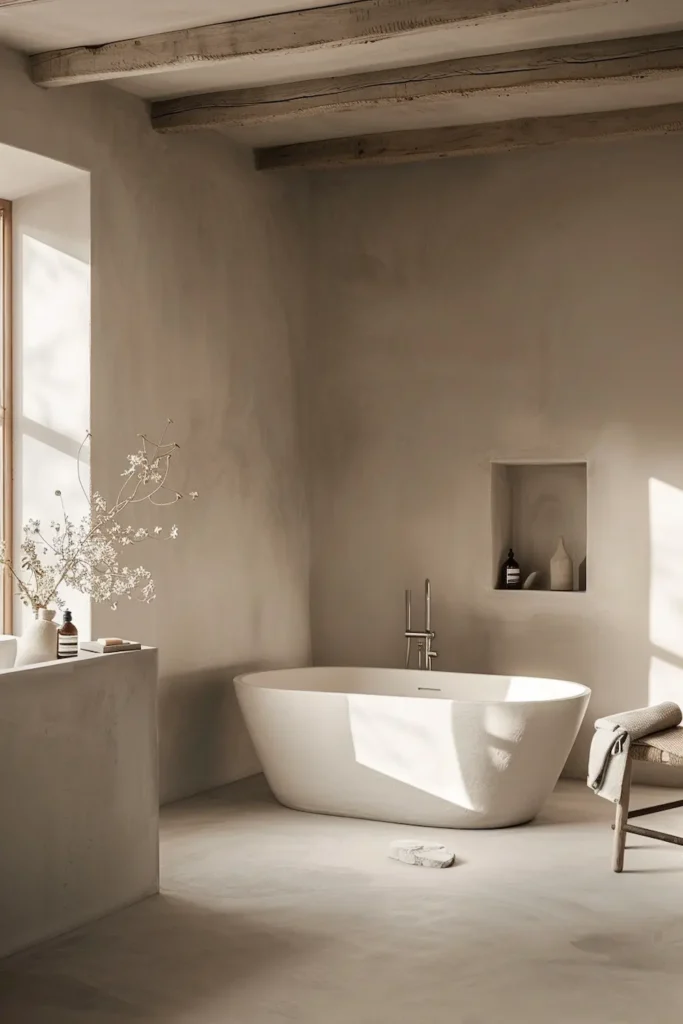
Daily life: styling vs living
One of the clearest differences appears after people move in.
Japandi in daily life
Japandi often requires:
- consistent styling
- careful object placement
- visual maintenance
Clutter disrupts the aesthetic quickly.
Crafted Minimalism in daily life
Crafted Minimalism expects:
- movement
- imperfection
- daily use
The system is designed to absorb life, not resist it.
This is why many people move from Japandi towards Crafted Minimalism over time.
Relation to Scandinavian Minimalism
Japandi is often confused with Scandinavian Minimalism — but they are not the same.
Scandinavian Minimalism focuses on:
- light
- comfort
- functionality
Japandi adds:
- restraint
- quiet elegance
- darker tonal balance
Crafted Minimalism, by contrast, shares Scandinavian Minimalism’s practicality but removes its decorative softness.
For a clearer breakdown, read:
Crafted Minimalism vs Scandinavian Minimalism
Which style fits which kind of person?
Japandi often suits people who:
- enjoy visual harmony
- like gentle styling
- feel inspired by cultural aesthetics
- don’t mind regular upkeep
Crafted Minimalism suits people who:
- value structure over styling
- want calm without fragility
- plan to live long-term in a space
- prefer fewer, better decisions
Neither choice is wrong.
But confusing them often leads to dissatisfaction.
A common mistake: mixing the two without structure
Many interiors attempt to “combine” Japandi and Crafted Minimalism.
This usually leads to:
- soft materials without structure
- heavy materials without restraint
- visual confusion
If you borrow elements from Japandi within a Crafted Minimalist framework, it works —
but not the other way around.
Structure must come first.

Final thoughts
Japandi offers calm through fusion and atmosphere.
Crafted Minimalism offers calm through structure and intention.
One asks:
“How can this look serene?”
The other asks:
“How can this work — every day, for years?”
Understanding this difference helps you choose not just a style, but a way of living.
Where to go next
To deepen your understanding of Crafted Minimalism, continue with:
- What Is Crafted Minimalism
- Crafted Minimalism vs Modern Minimalism
- Crafted Minimalism vs Scandinavian Minimalism
Each article builds on the same foundation — from a different angle.