Why Crafted Minimalism Is Popular in 2026
How calm, structure, and long-term thinking replaced visual trends
Crafted Minimalism didn’t become popular because it looks good on social media.
It became popular because people were tired.
Tired of trends that aged overnight.
Tired of interiors that felt finished but never settled.
Tired of spaces that looked calm but didn’t support everyday life.
By 2026, many homeowners, renters, and designers are no longer searching for the next style.
They are searching for stability.
Crafted Minimalism answers that search — not with aesthetics, but with structure.
This article explains why Crafted Minimalism resonates so strongly in 2026, what cultural and practical shifts led to its rise, and why it feels less like a trend and more like a correction.
The cultural shift behind the popularity
Crafted Minimalism didn’t appear in a vacuum.
Its rise is tied to broader cultural changes that became impossible to ignore after the early 2020s.
People experienced:
- prolonged uncertainty
- blurred boundaries between work and home
- constant digital stimulation
- rapid trend cycles
Homes were no longer just places to sleep or entertain.
They became primary environments.
And many existing interiors weren’t designed for that.
The end of “inspiration overload”
For years, interior inspiration was endless.
Pinterest boards, Instagram reels, trend reports —
all offering new looks, faster than anyone could realistically apply them.
By 2025, many people felt:
- overwhelmed rather than inspired
- pressured to keep up
- dissatisfied with constant updates
The result was a growing rejection of visual novelty.
People didn’t want more ideas.
They wanted fewer, better decisions.
Crafted Minimalism aligned perfectly with that desire.
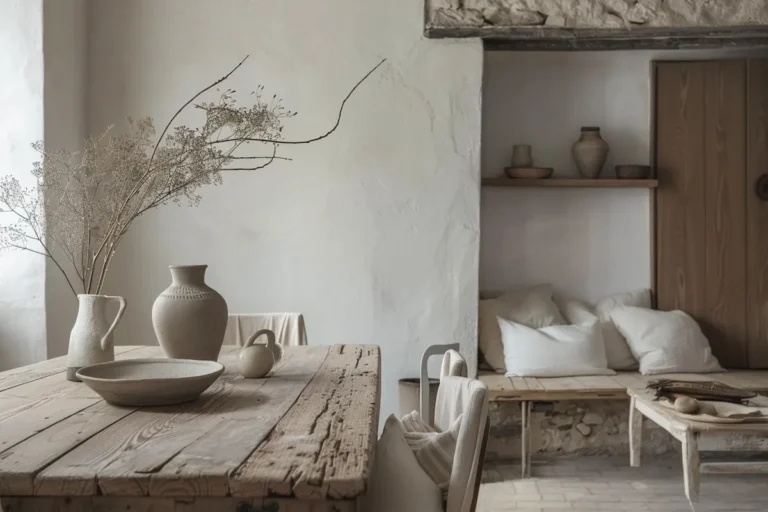
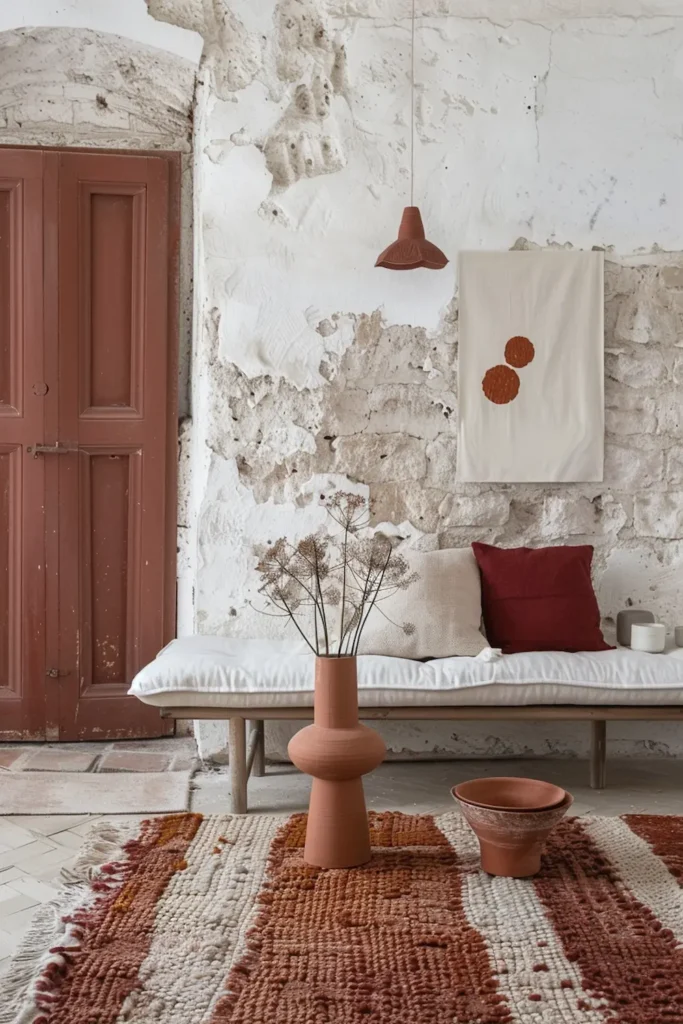
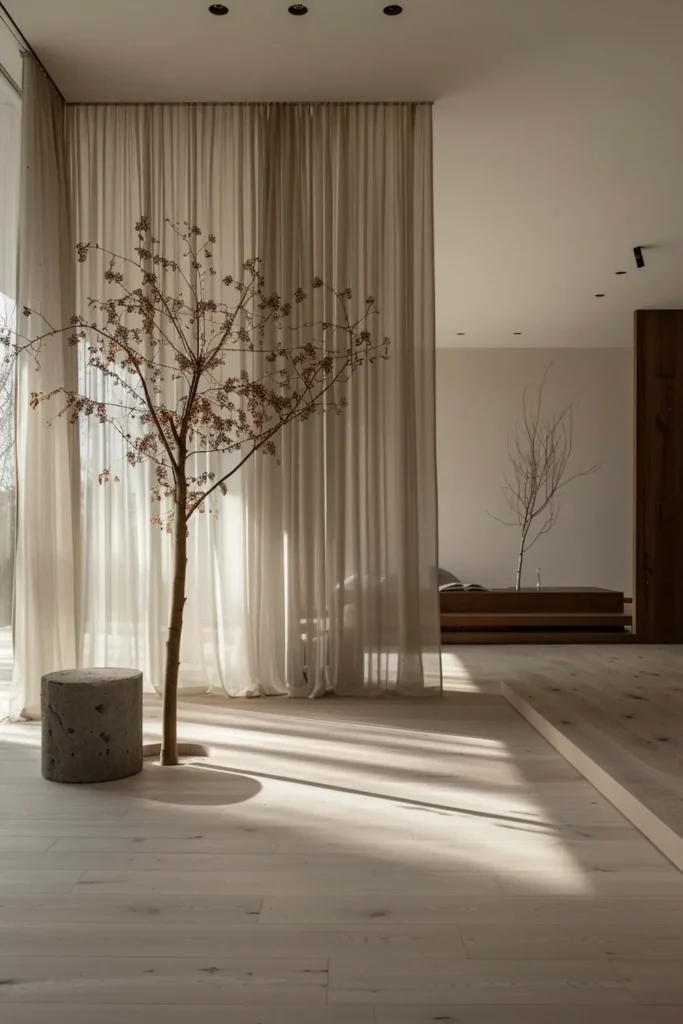
Visual overload vs Calm Interior
Calm became functional, not decorative
Earlier “calm” interiors often relied on:
- neutral colors
- minimal styling
- curated emptiness
But many of these spaces failed in daily life — a pattern explored in
What Is Crafted Minimalism.
By 2025, calm was no longer understood as a look.
It was understood as an outcome.
People began asking:
- Does this space reduce daily friction?
- Does it support routines?
- Does it stay calm when life gets messy?
Crafted Minimalism answers yes — because calm is designed into the system, not added at the end.
Structure over styling
One of the key reasons Crafted Minimalism gained popularity is its shift in priorities.
Instead of asking:
“How should this space look?”
It asks:
“How should this space work — consistently?”
That difference matters.
Styling ages quickly.
Structure endures.
By 2025, more people had experienced the cost of prioritizing aesthetics over usability:
- constant rearranging
- visual fatigue
- regret after renovations
Crafted Minimalism offered an alternative: build the foundation first.
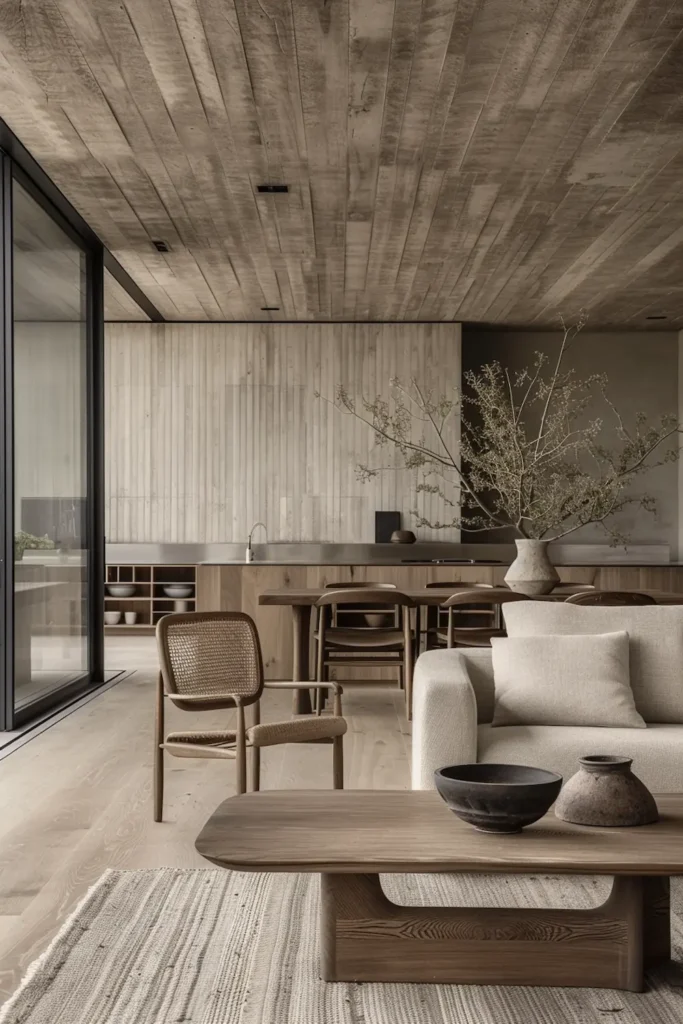
The return of material honesty
Another reason for the rise of Crafted Minimalism is a renewed focus on materials.
By 2025, people became more aware of:
- how materials age
- how finishes wear
- how quickly “perfect” surfaces deteriorate
Highly processed materials often looked flawless at first —
and disappointing shortly after.
Crafted Minimalism embraces:
- solid wood
- stone
- ceramics
- materials that show use rather than hide it
Wear is no longer a failure.
It’s part of the design logic.
This honesty resonated with people seeking interiors that feel real.
The choice between handmade and industrially produced pieces sits at the heart of that shift. Handmade vs Mass Production explores how that difference plays out in practice.
Longevity over novelty
Trend-driven interiors rely on recognition.
They feel good because:
- they reflect what’s current
- they signal taste and awareness
But recognition fades.
By 2025, many homeowners had cycled through multiple styles within a decade —
and felt exhausted by the process.
Crafted Minimalism gained traction because it:
- resists recognizable motifs
- avoids signature shapes
- focuses on proportion and balance
The result is an interior that doesn’t shout its era.
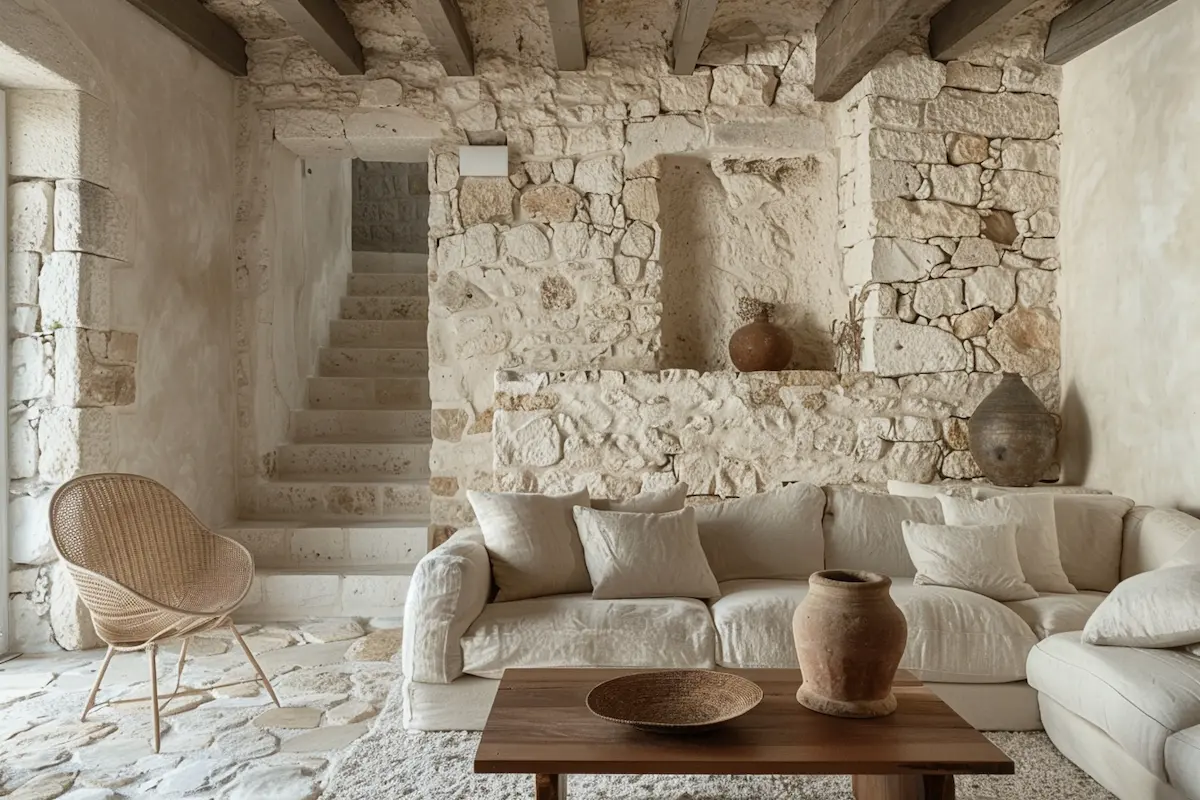
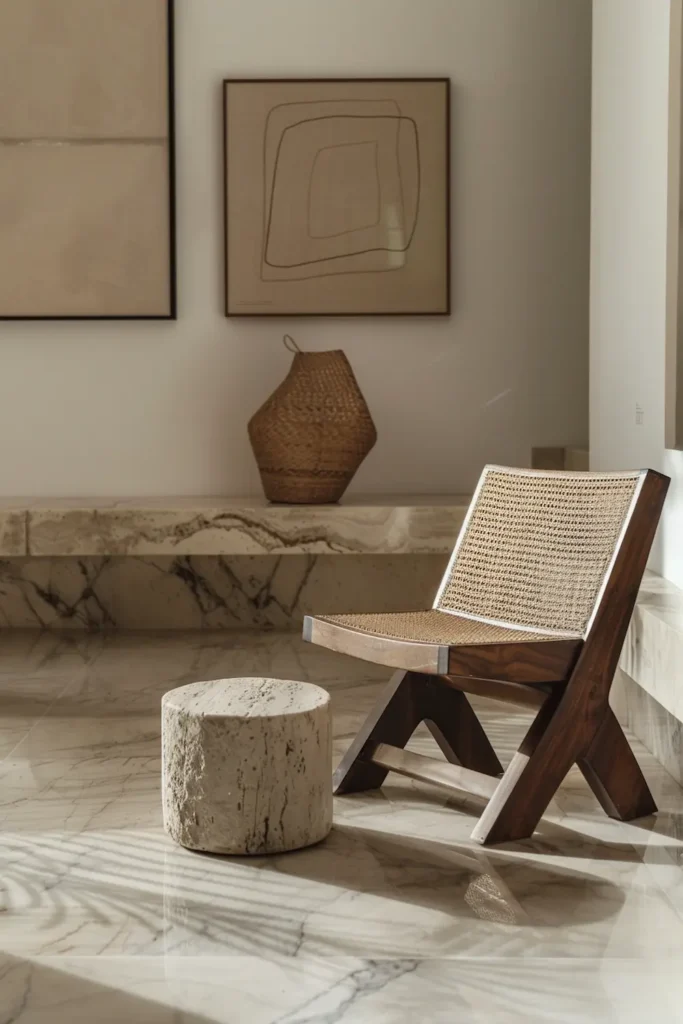
Timeless presence
A response to environmental awareness
Sustainability also played a role — but not in a superficial way.
By 2025, people were skeptical of:
- “eco” labels without substance
- disposable furniture marketed as sustainable
- constant replacement cycles
Crafted Minimalism aligns naturally with sustainable thinking because it:
- encourages fewer purchases
- values durability
- reduces stylistic turnover
This connection is explored in depth in
Is Crafted Minimalism Sustainable
The popularity of the style is partly due to the fact that sustainability is embedded, not advertised.
Less maintenance, more mental space
Another practical reason for its rise is maintenance tolerance.
Many popular styles require:
- frequent styling
- careful upkeep
- visual management
Crafted Minimalism reduces that burden.
Because:
- fewer objects compete visually
- materials are forgiving
- layouts are predictable
The space stays calm with less effort.
For people juggling work, family, and digital life, that mattered deeply.
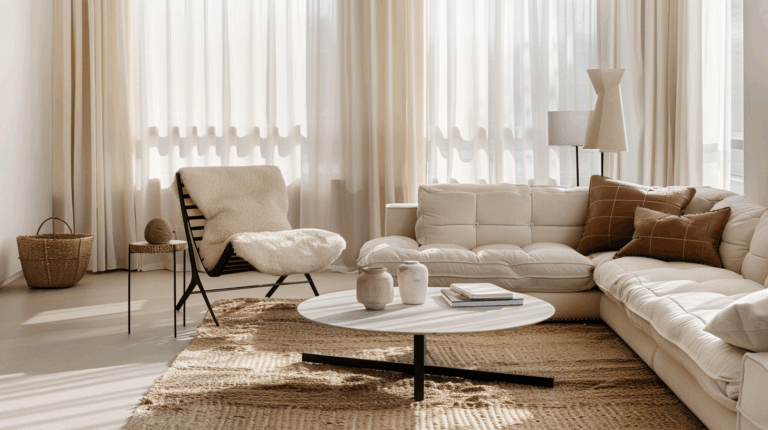
Low-maintenance calm

A shift from expression to support
Earlier interior movements emphasized self-expression.
Homes were expected to:
- showcase personality
- reflect identity
- tell a visual story
By 2025, many people wanted something else.
They wanted their home to:
- support concentration
- restore energy
- reduce cognitive load
Crafted Minimalism doesn’t suppress personality —
it simply doesn’t center it.
Instead, it centers function and calm.
That shift explains why the style appeals especially to people who:
- work from home
- experience digital fatigue
- value quiet focus
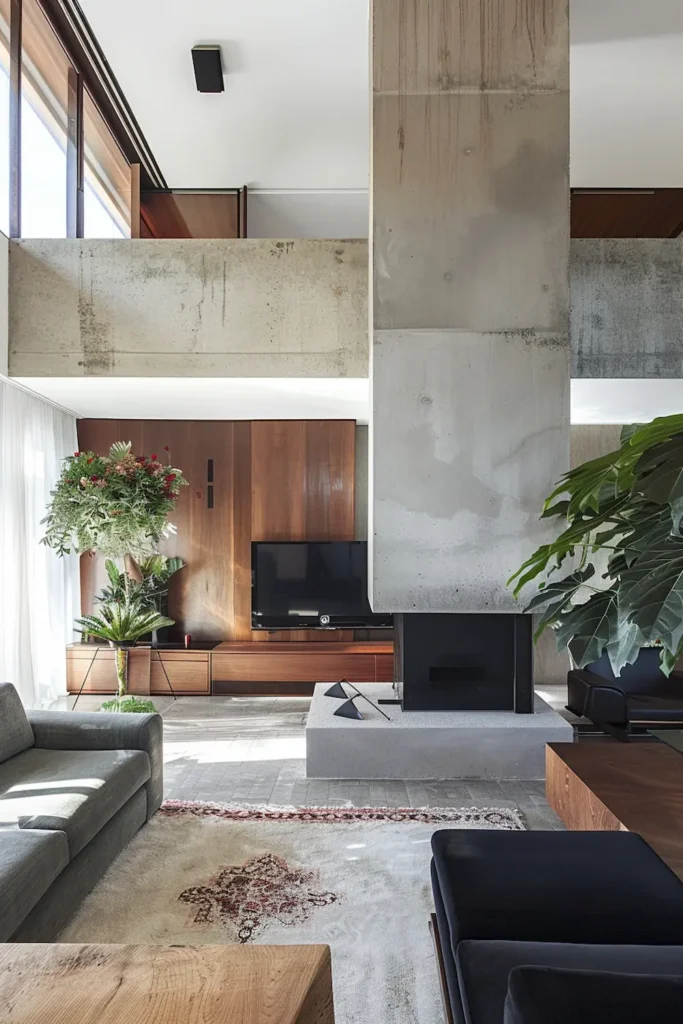
The influence of long-term living
Another factor behind the popularity is longer dwelling times.
Rising housing costs meant:
- fewer moves
- longer commitments
- higher stakes for interior decisions
When you expect to live in a space for many years, trends lose their appeal.
Crafted Minimalism suits long-term living because:
- it adapts to change
- it doesn’t rely on novelty
- it allows gradual evolution
People choose it not for excitement, but for endurance.
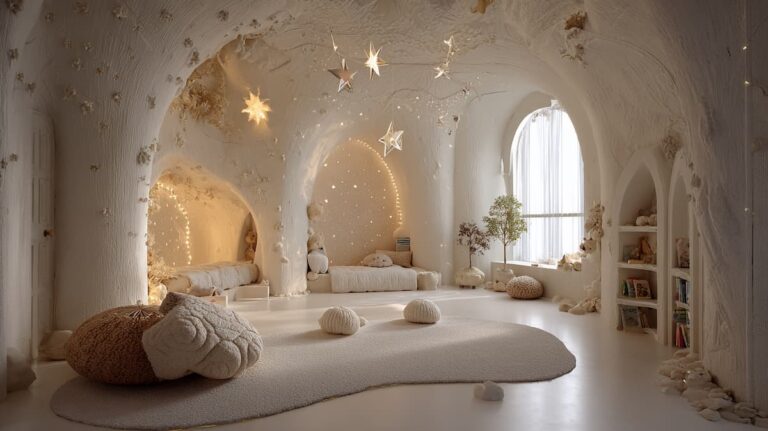
Long-term living atmosphere
Why this wave is different from earlier minimalism waves
Minimalism itself is not new.
But earlier waves often emphasized:
- extreme reduction
- visual austerity
- ideological purity
Crafted Minimalism differs because it:
- rejects extremes
- allows warmth
- acknowledges daily life
This made it accessible to a wider group — including families, creatives, and people who previously felt excluded by minimalism.
Its popularity comes from adaptability, not rigidity.
The role of design literacy
By 2025, design literacy had increased.
People understood:
- why some spaces feel overwhelming
- why trends age quickly
- why materials matter
This awareness made them more receptive to a framework like Crafted Minimalism, which explains why things work — not just how they look.
As understanding grew, superficial solutions lost credibility.
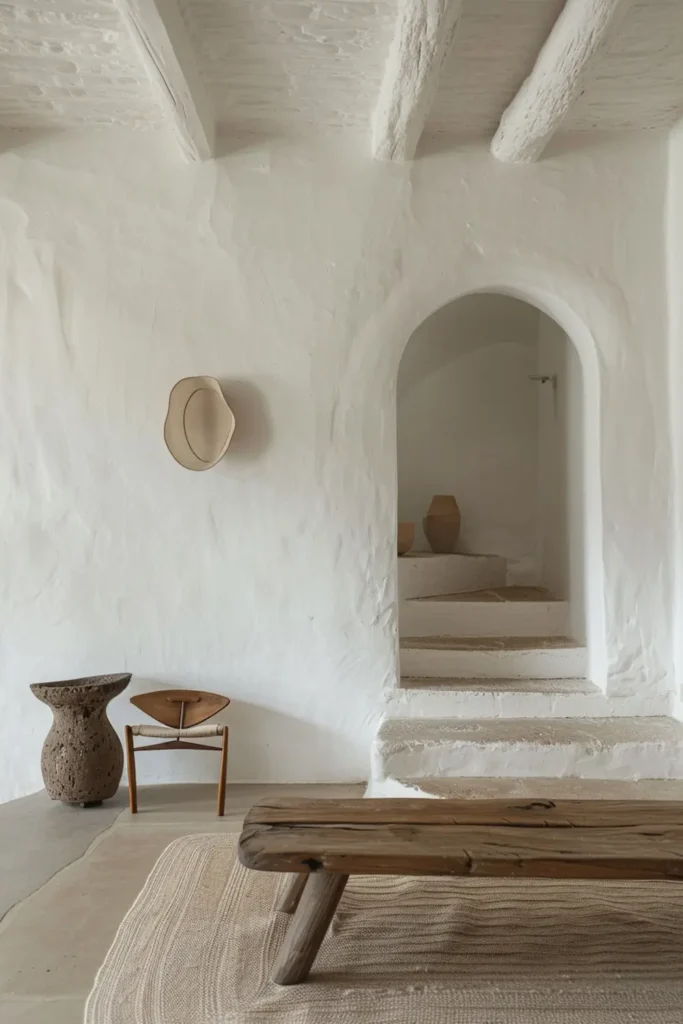
Crafted Minimalism as a correction, not a movement
Perhaps the most important reason for its popularity is this:
Crafted Minimalism doesn’t present itself as a bold new movement.
It presents itself as a correction.
A correction to:
- overstimulation
- trend dependency
- fragile interiors
That makes it feel grounded rather than aspirational.
People trust it because it doesn’t promise transformation —
it promises stability.
Grounded correction
Final thoughts
Crafted Minimalism is popular in 2026 because it answers a very specific need:
The need for homes that:
- don’t demand constant attention
- don’t age overnight
- don’t rely on trends to feel right
It replaces visual excitement with quiet confidence.
Not because people stopped caring about beauty —
but because they started caring more about how spaces support life over time.
Where to go next
To deepen your understanding of Crafted Minimalism beyond popularity, continue with:
Together, these articles explain not just what the style is —
but why it exists.