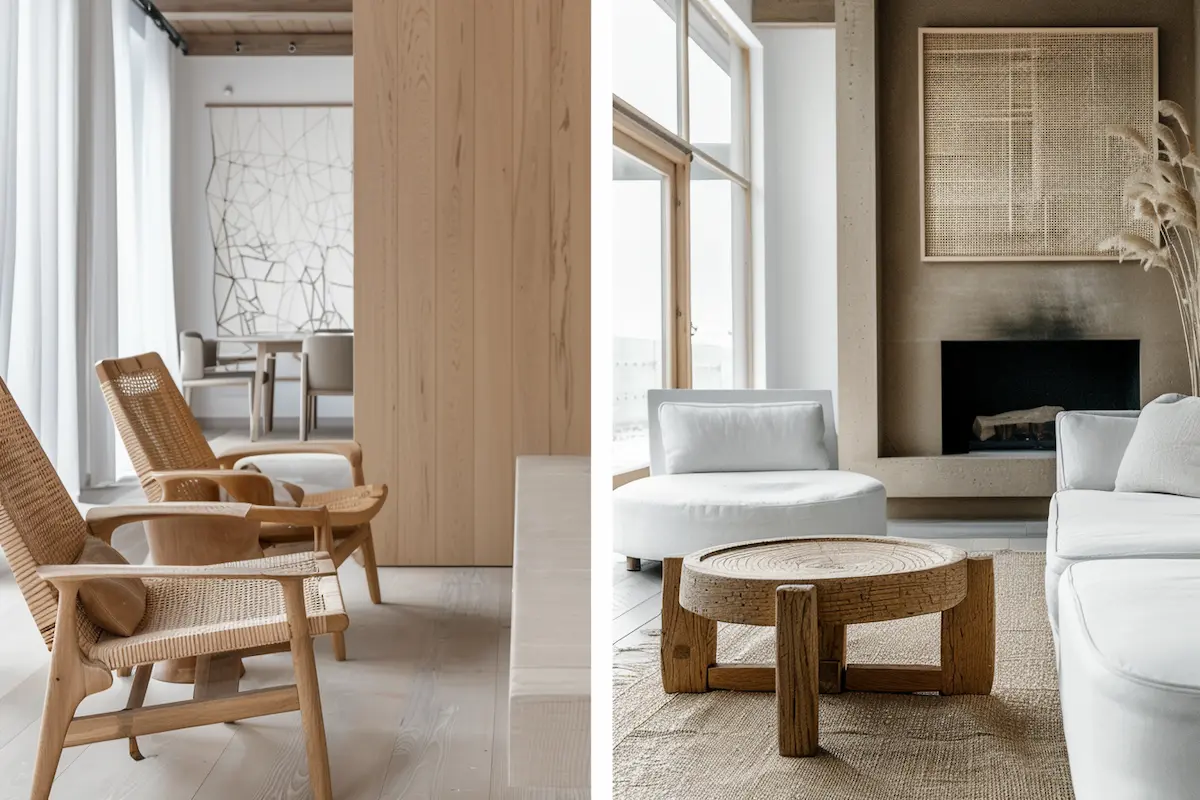
Crafted Minimalism vs Scandinavian Minimalism
Understanding the difference between comfort-driven simplicity and structure-driven calm
Crafted Minimalism and Scandinavian Minimalism are often confused.
Both are described as light, calm, and practical. Both avoid excess. Both feel approachable.
And yet, when people live in these interiors over time, the difference becomes tangible.
Scandinavian Minimalism often feels comfortable.
Crafted Minimalism feels grounded.
This article explains how Crafted Minimalism differs from Scandinavian Minimalism, not at the level of styling, but at the level of design intention, longevity, and everyday usability.
Not to dismiss Scandinavian Minimalism —
but to clarify what kind of calm you are actually choosing.
Why these styles are so often grouped together
Scandinavian Minimalism shaped how modern people understand “calm interiors”.
It introduced:
- light-filled rooms
- functional layouts
- simple forms
- warmth without heaviness
Crafted Minimalism shares many of these qualities, which is why the two are often treated as variations of the same idea.
But similarity in appearance does not equal similarity in structure.
The confusion arises because both styles reject visual overload, yet they approach calm from different starting points.
A clear definition of Scandinavian Minimalism
Scandinavian Minimalism originates from Nordic design traditions shaped by:
- long winters
- limited daylight
- a strong social focus on comfort and equality
At its core, Scandinavian Minimalism prioritizes:
- accessibility
- functionality
- comfort
- lightness
It aims to make everyday life easier and warmer, especially in shared living spaces.
The design question it often asks is:
“How can this space feel welcoming and easy to live in?”

A clear definition of Crafted Minimalism
Crafted Minimalism is not rooted in a regional tradition.
It is built as a design framework.
It focuses on:
- material integrity
- proportion
- intentional restraint
- structural clarity
Instead of optimizing for comfort first, Crafted Minimalism optimizes for long-term calm.
The central question becomes:
“What must this space do consistently well over time?”
If you want to understand this foundation more deeply, start with:
What Is Crafted Minimalism
Comfort vs structure: the core distinction
The most important difference between these styles lies in what comes first.
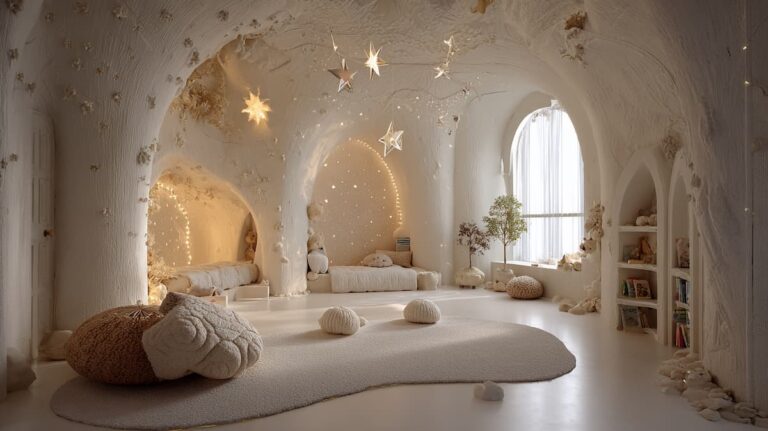
Scandinavian Minimalism starts with comfort
It prioritizes:
- softness
- warmth
- human scale
- emotional ease
Furniture often emphasizes:
- rounded edges
- light construction
- visual friendliness
The result is a home that feels inviting almost immediately.
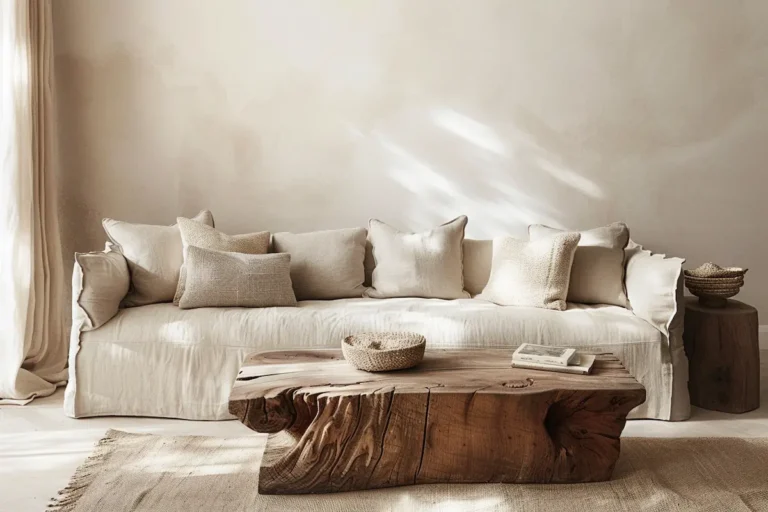
Crafted Minimalism starts with structure
It prioritizes:
- clarity
- material weight
- spatial hierarchy
- predictability
Comfort emerges after structure is established.
This leads to interiors that may feel restrained at first —
but become more calming the longer you live in them.

Material choices: softness versus substance
Both styles value natural materials, but they select and use them differently.
Scandinavian Minimalism materials
Often include:
- light woods
- painted surfaces
- soft textiles
- subtle textures
These materials support comfort and brightness, but they can feel visually light and sometimes impermanent.
Wear and tear may become visible quickly.
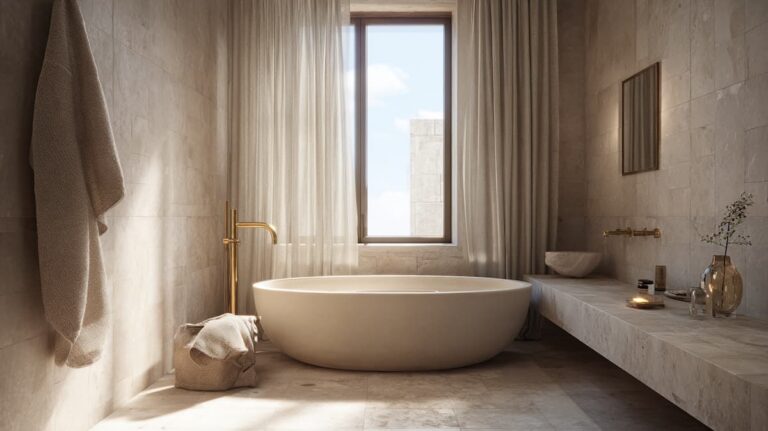
Crafted Minimalism materials
Focus on:
- solid wood
- stone
- ceramics
- materials that age visibly
Here, wear is not hidden — it’s integrated.
This difference has a major impact on how the space feels after years of use.
Calm through atmosphere vs calm through reduction
Scandinavian Minimalism often creates calm through:
- light color palettes
- cozy elements
- visual softness
The calm is atmospheric.
Crafted Minimalism creates calm through:
- fewer visual signals
- stronger hierarchy
- reduced decision-making
The calm is systemic.
This is why Scandinavian interiors may feel comforting but busy over time, while Crafted Minimalist spaces often feel quieter the longer you live in them.
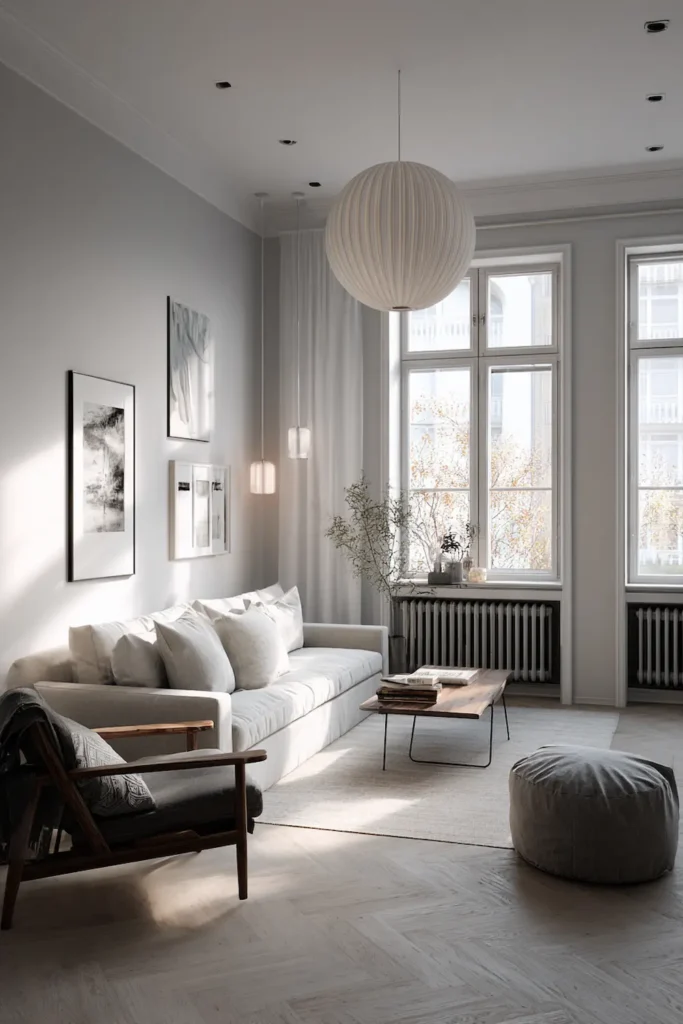
Atmospheric vs systemic calm

Longevity and trend sensitivity
Scandinavian Minimalism has been popular for decades, but it is still influenced by trends.
You can see shifts in:
- color accents
- furniture shapes
- decorative preferences
This doesn’t make the style fragile — but it does make it responsive to fashion cycles.
Crafted Minimalism deliberately avoids recognizable stylistic signals.
It relies on:
- proportion
- material honesty
- quiet repetition
As a result, it ages more slowly and requires fewer aesthetic updates.
For comparison with another contemporary framework, see:
Crafted Minimalism vs Modern Minimalism
Cultural warmth vs universal neutrality
Scandinavian Minimalism carries a cultural warmth.
It reflects:
- Nordic values
- social comfort
- shared living
This makes it emotionally approachable — but also culturally specific.
Crafted Minimalism removes cultural cues.
It is designed to work in:
- different countries
- different architectural contexts
- different lifestyles
This neutrality makes it especially suitable for international audiences and long-term homes.
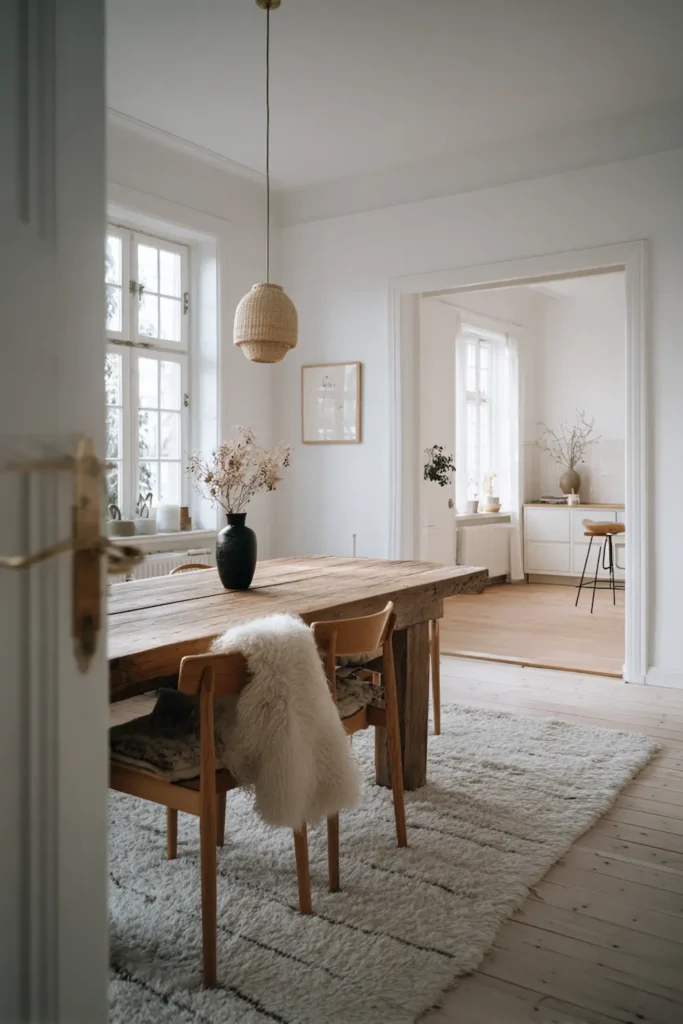
Cultural vs universal

Daily life: forgiveness versus control
Scandinavian Minimalism tends to be forgiving visually.
It allows:
- layered textiles
- decorative accents
- visible personal items
This flexibility supports family life and social living.
Crafted Minimalism is forgiving in a different way.
It allows:
- imperfection
- wear
- fewer but heavier objects
But it requires discipline in what enters the space.
This difference explains why some people feel Scandinavian Minimalism slowly becomes cluttered, while Crafted Minimalism remains visually stable.
Relationship to Japandi
Japandi often sits between Scandinavian Minimalism and Crafted Minimalism.
It borrows:
- Scandinavian comfort
- Japanese restraint
But it still relies heavily on aesthetic balance.
Crafted Minimalism moves beyond this by removing fusion altogether.
For a deeper comparison, see:
Crafted Minimalism vs Japandi

Which style fits which type of person?
Scandinavian Minimalism often suits people who:
- value comfort and coziness
- enjoy decorative freedom
- live with families or frequent guests
- like light and softness
Crafted Minimalism suits people who:
- value clarity and structure
- prefer fewer, better objects
- want calm without visual maintenance
- plan to live long-term in a space
Neither is superior.
They simply support different relationships with space.
A common mistake: softening Crafted Minimalism too much
Many interiors labeled “Crafted Minimalism” are actually softened Scandinavian interiors.
This leads to:
- reduced structure
- diluted calm
- inconsistent material logic
If you borrow warmth from Scandinavian Minimalism, it must be anchored by structure.
Otherwise, the system collapses into styling.
Final thoughts
Scandinavian Minimalism offers calm through comfort and accessibility.
Crafted Minimalism offers calm through structure and intention.
One asks:
“How can this space feel warm and welcoming?”
The other asks:
“How can this space remain calm, even when life gets messy?”
Understanding this distinction helps you choose not just a look —
but a long-term relationship with your home.
Where to go next
To deepen your understanding of Crafted Minimalism, continue with:
- What Is Crafted Minimalism
- Crafted Minimalism vs Modern Minimalism
- Crafted Minimalism vs Japandi
Together, these articles form the conceptual foundation of the style.