
Crafted Minimalism Design Principles
A thoughtful balance between craftsmanship, calm, and character
Crafted Minimalism is more than a visual style. It’s a design philosophy that brings together restraint and richness, simplicity and depth. Where traditional minimalism often leans toward starkness and perfection, Crafted Minimalism introduces warmth, texture, and human presence through materials, craftsmanship, and subtle imperfection.
This article explains the core design principles behind Crafted Minimalism. It forms the foundation of the category and helps you understand why this style feels calm yet lived-in, understated yet expressive.
1. Minimalism, but not empty
At its core, Crafted Minimalism still values simplicity. Spaces are uncluttered, layouts are intentional, and every object earns its place. But unlike classic minimalism, the goal is not visual emptiness.
Instead, the focus is on visual breathing room combined with tactile richness.
Rather than removing character, Crafted Minimalism removes distraction. What remains feels grounded and deliberate.
Key characteristics:
- Few objects, but with presence
- Clear sightlines without feeling cold
- Calm compositions that invite attention rather than avoidance
This is minimalism that feels inhabited, not staged.
2. Craftsmanship as the focal point
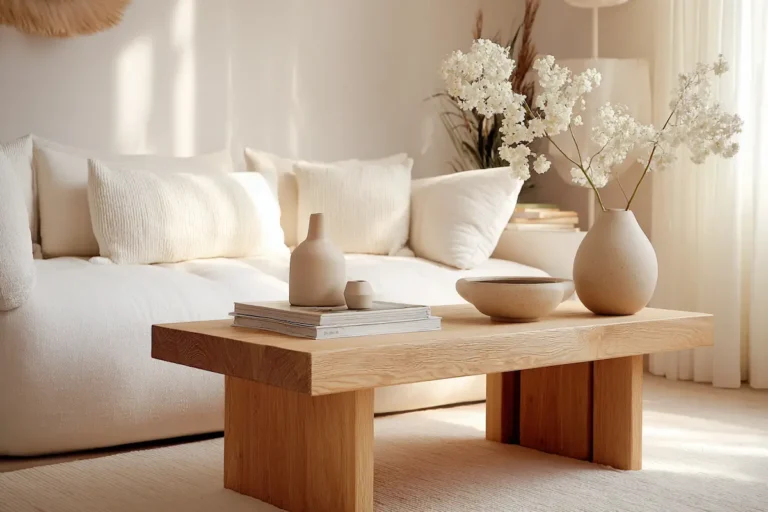
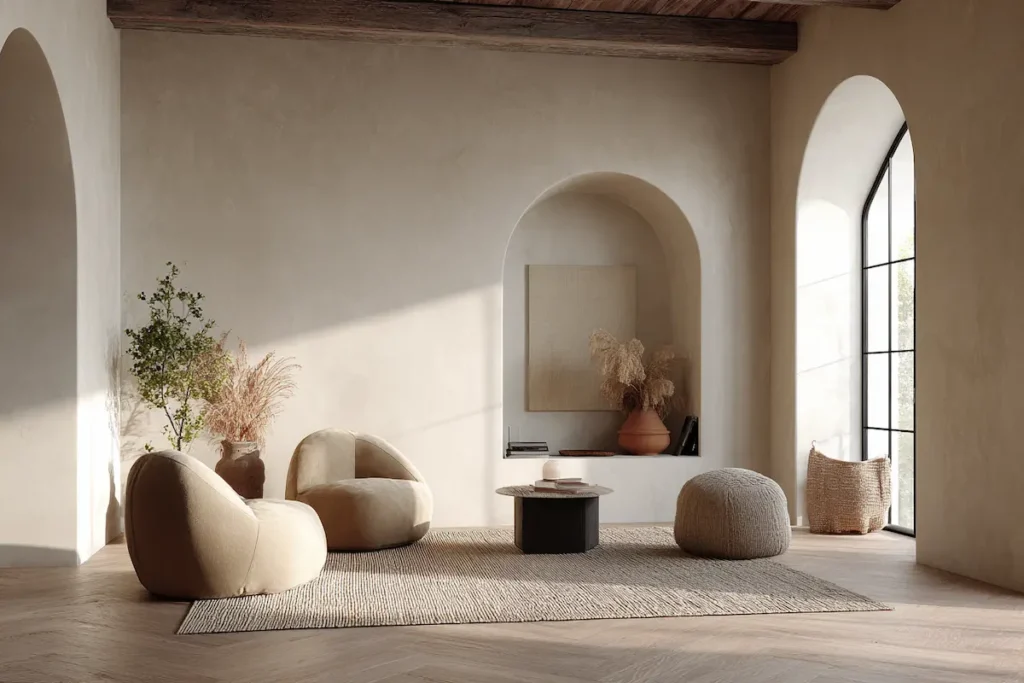
Crafted Minimalism shifts attention away from trends and toward how things are made. Craftsmanship becomes the quiet hero of the space.
This can show up through:
- Hand-thrown ceramics with uneven edges
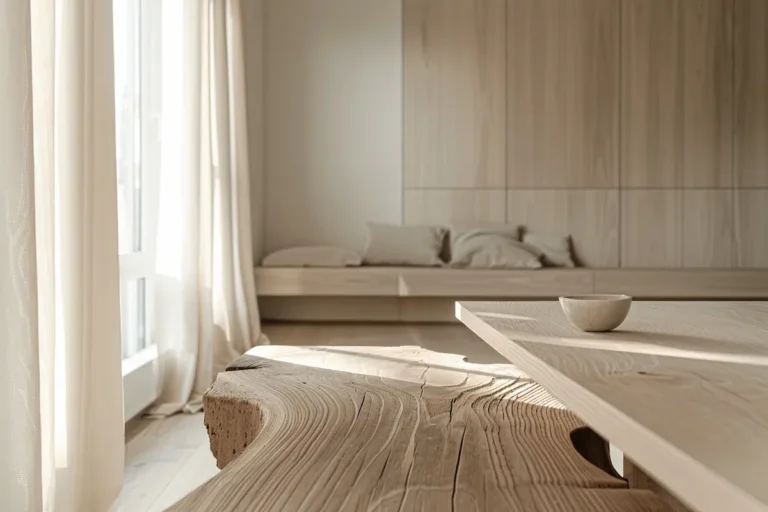
- Solid wood furniture with visible grain
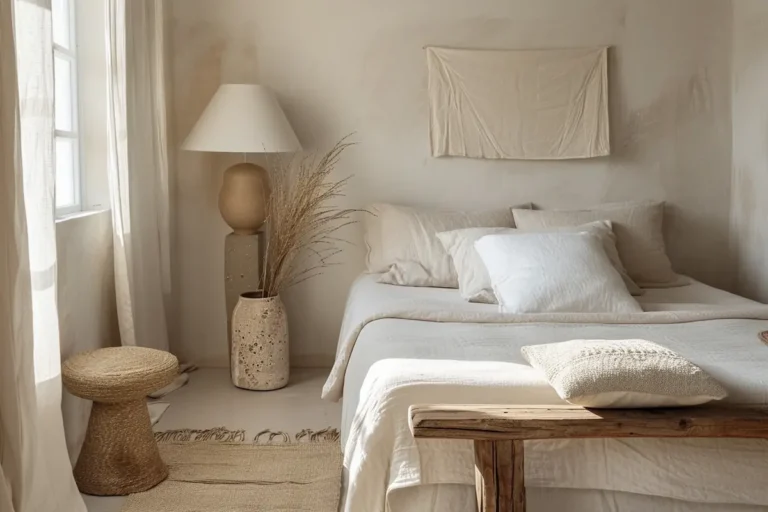
- Textiles that reveal weaving or stitching
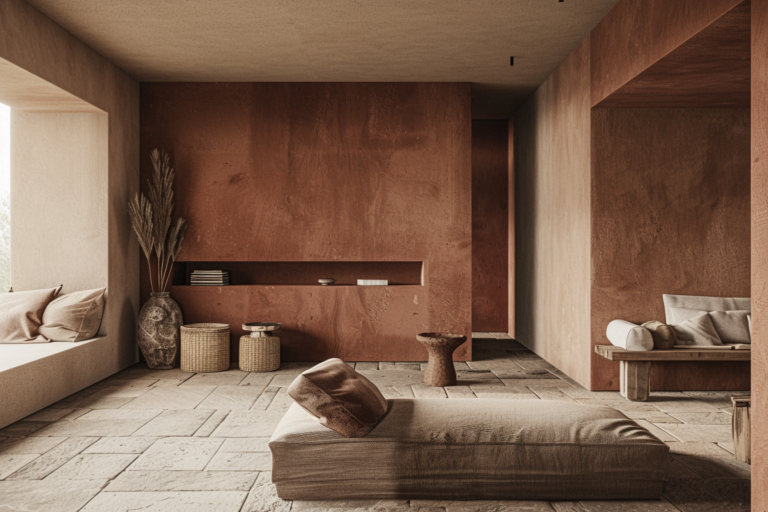
- Plaster, limewash, or clay finishes with natural variation
These elements add depth without clutter. The room remains visually calm, but rewards closer inspection.
The design doesn’t shout craftsmanship — it lets materials speak softly.

3. Material honesty and natural finishes
A central principle of Crafted Minimalism is material honesty. Materials are chosen not just for how they look, but for what they are.
You’ll often see:
- Wood that isn’t overly stained or polished
- Stone with visible texture and tonal variation
- Metals used sparingly, often matte or brushed
- Walls finished in plaster, clay, or mineral paint
Artificial gloss and overly refined surfaces are avoided. Instead, surfaces age gracefully and develop character over time.
This creates interiors that feel timeless rather than trendy.
For a full breakdown of which materials work best and why, see Best Materials for Crafted Minimalism.

4. Soft minimal color palettes
Color plays a subtle but important role. Crafted Minimalism typically uses muted, low-contrast palettes that support calm rather than dominate the space.
Common tones include:
- Warm whites and off-whites
- Sand, clay, and limestone shades
- Soft greige, taupe, and mushroom
- Muted pastels used very sparingly
Color variation is often achieved through material texture rather than hue. This keeps the palette cohesive and soothing.
Instead of bold accents, interest comes from layering similar tones.

5. Imperfection as a design asset
Where traditional minimalism often strives for perfection, Crafted Minimalism embraces imperfection.
Cracks in plaster, uneven glazing, irregular wood grain — these are not flaws to hide, but features that add soul.
This principle is closely linked to:
- Wabi-sabi philosophy
- Slow living aesthetics
- Handmade and artisanal design
Imperfection introduces humanity. It reminds us that a space is lived in, not frozen in time.

6. Intentional furniture selection
Furniture in Crafted Minimalism is purposeful and restrained. Pieces are often low-profile, sculptural, and grounded.
Rather than filling a room, furniture is spaced to allow:
- Visual calm
- Natural movement
- Focus on form and material
Design favors:
- Solid, weighty silhouettes
- Natural materials
- Timeless shapes over trend-driven designs
Each piece contributes to the overall harmony instead of competing for attention.
Looking for specific pieces that embody these principles? Must-Have Crafted Minimalist Furniture is a practical starting point.

7. Negative space as part of the design
Empty space is not wasted space. In Crafted Minimalism, negative space is intentional and just as important as objects.
This allows:
- Materials to stand out
- Light to shape the room
- The eye to rest
Rather than adding more decor, designers often remove one element to strengthen the whole.
This principle is what keeps the style from tipping into visual noise.
8. Light as a material
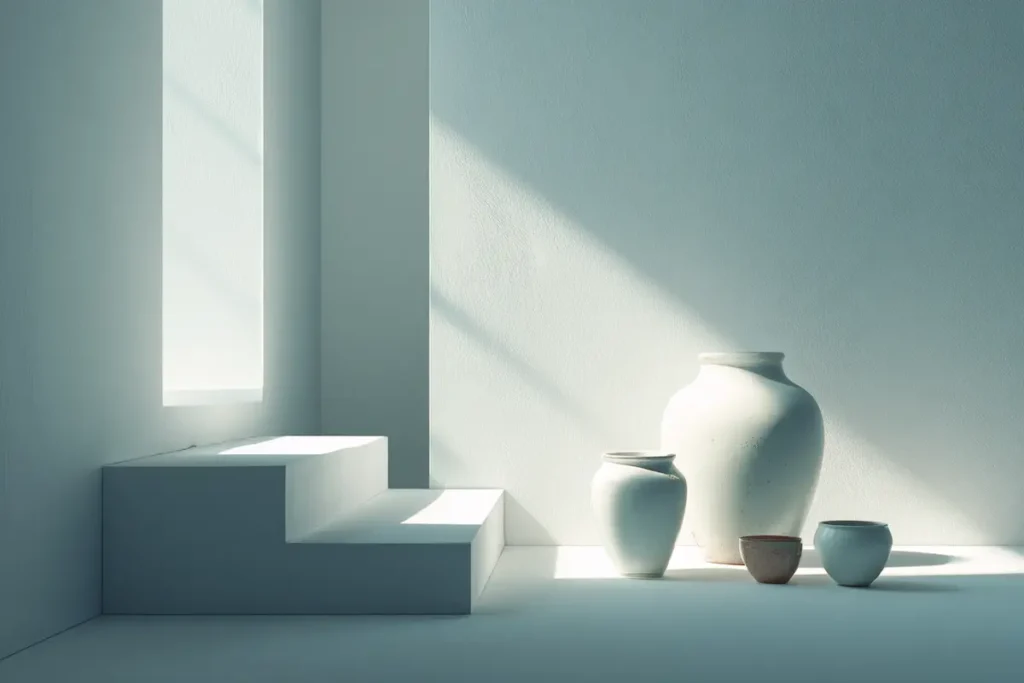
Natural light is treated almost like a material in itself. Soft daylight enhances texture, reveals imperfections, and adds movement throughout the day.
Key lighting principles:
- Sheer window treatments or none at all
- Layered lighting instead of harsh overhead lights
- Warm light temperatures in the evening
Light interacts with surfaces rather than overpowering them.

9. Calm, not cold
Perhaps the most important principle: Crafted Minimalism aims for emotional calm, not visual austerity.
The result should feel:
- Grounded
- Inviting
- Quietly luxurious
- Human
It’s a style that encourages slowing down, noticing details, and appreciating quality over quantity.
Want to test whether a space truly fits the style? How to Recognize a True Crafted Minimalist Interior gives you a clear framework.
Why these principles matter
Understanding these design principles helps you:
- Recognize authentic Crafted Minimalism
- Avoid confusing it with sterile minimalism
- Create interiors that feel calm but personal
Ready to see how these principles apply in practice? Crafted Minimalism by Room Overview shows how each room translates the same foundation differently.