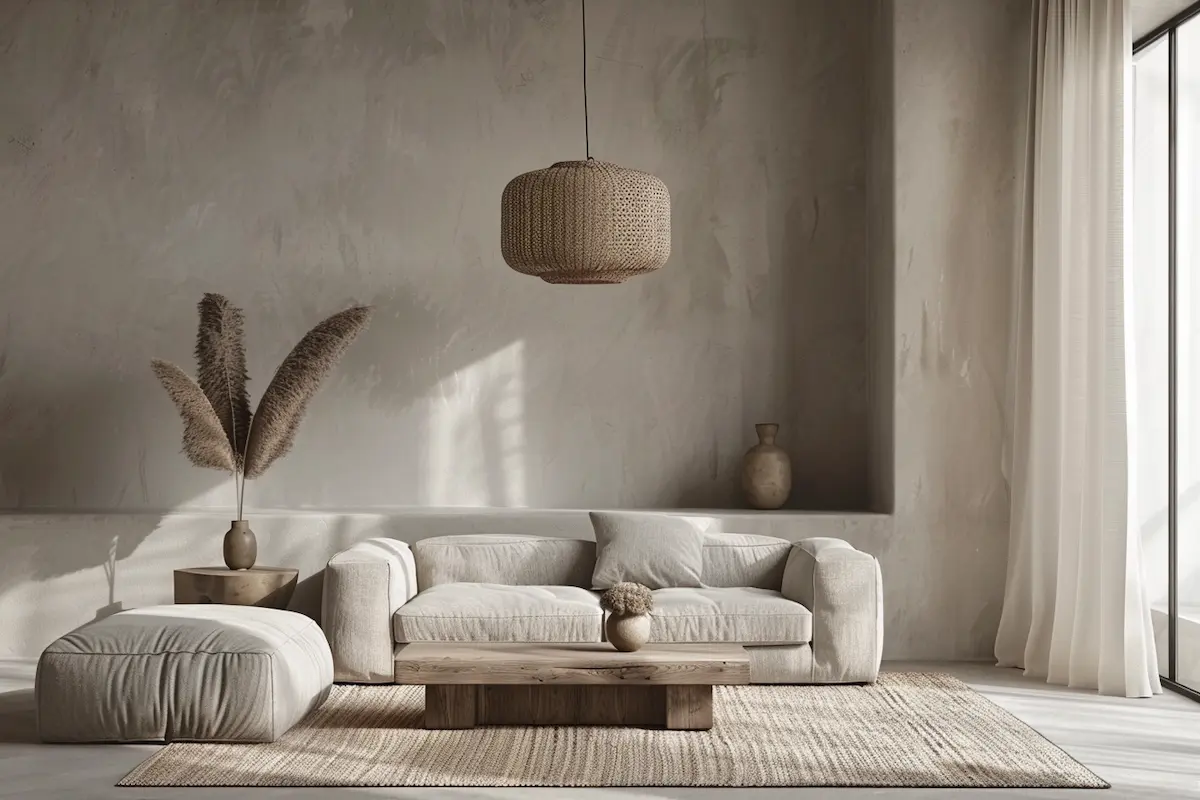
Less But Better: 5 Statement Lighting Pieces That Define Crafted Minimalism
Why Statement Pieces Matter in Crafted Minimalism
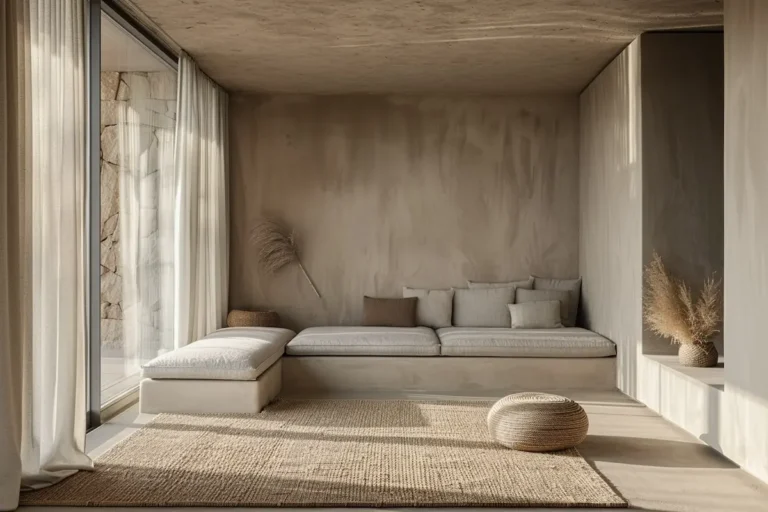
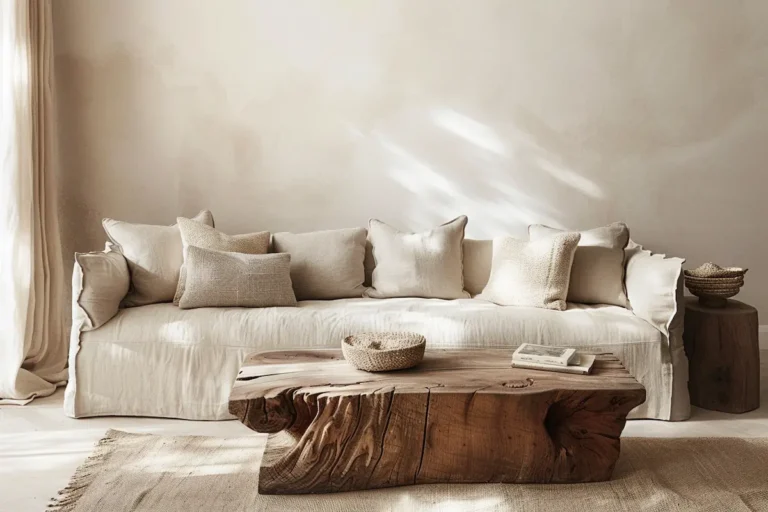
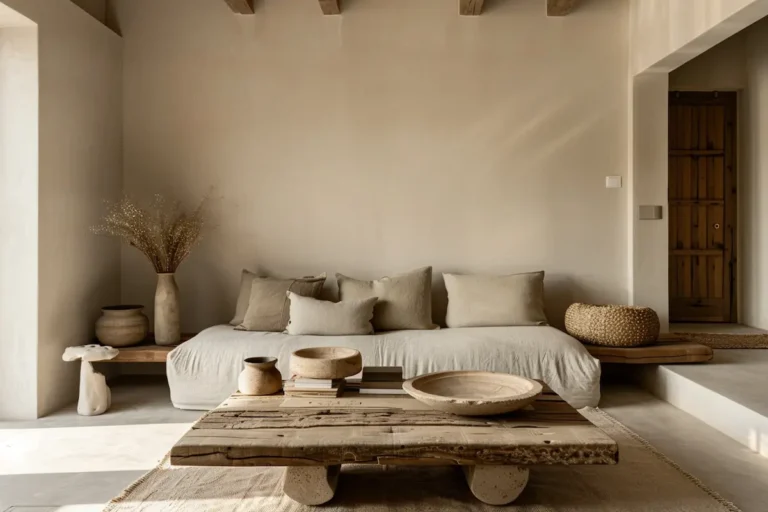
Crafted Minimalism isn’t about having less just for the sake of it. It’s about choosing better. Where traditional minimalism can sometimes feel flat or impersonal, this style brings warmth and depth through carefully selected pieces that carry presence. Instead of filling a space with multiple decorative objects, you intentionally highlight one element that anchors the entire room.
That’s where statement pieces come in.
A statement piece in a crafted minimalist interior is not loud or overwhelming. It doesn’t rely on bright colors or excessive detail to stand out. Instead, it draws attention through material, form, and quiet confidence. Think of a lamp that feels almost sculptural, a piece that subtly demands attention without disrupting the calm atmosphere of the space.
This approach shifts how you design a room. Rather than layering accessories, you start with a strong foundation—often built around key elements like seating or layout (as I explain in Must-Have Crafted Minimalist Furniture)—and then introduce a single piece that gives the space its identity. In some interiors, that role might be taken by art (like in Wall Art in Crafted Minimalism), but lighting has a unique advantage: it shapes both the look and the feeling of a room.
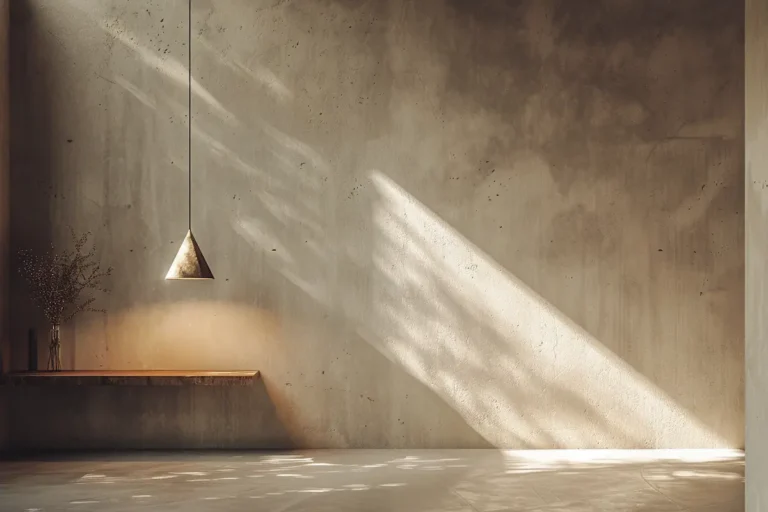
Lighting is never just functional in this context. The right lamp can soften textures, highlight materials, and create depth where there would otherwise be emptiness. It becomes both a visual focal point and an atmospheric tool, especially when paired with tactile elements like ceramics (which I dive deeper into in Ceramics as Statement Pieces).
In this article, I’ll show you how lighting can act as that defining element. Not as an afterthought, but as the piece that quietly transforms everything around it.
Disclaimer: This post may contain affiliate links. That means if you click and purchase through one of these links, we may earn a small commission — at no extra cost to you. As an Etsy affiliate and Amazon Associate, I earn from qualifying purchases. We only recommend products we truly love or believe fit the style of our AI-generated designs.
What Makes a Statement Piece “Crafted Minimalist”?
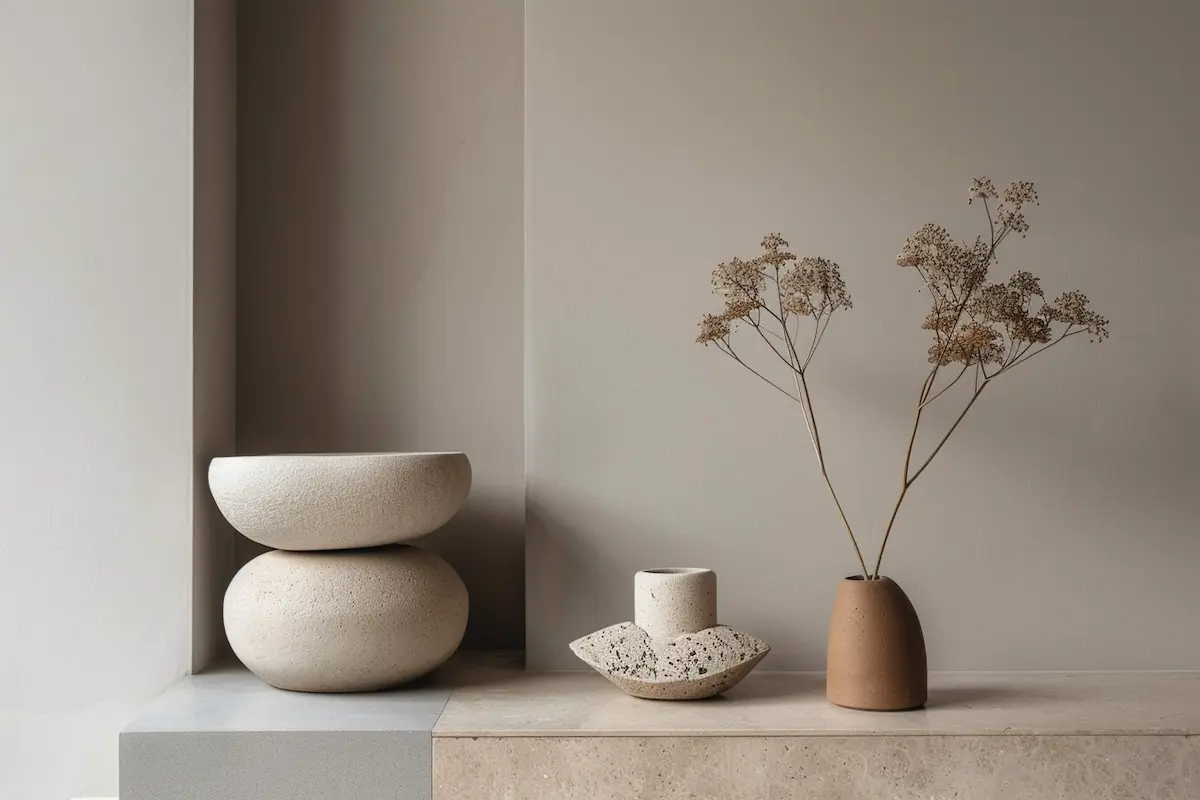
Not every eye-catching object belongs in a crafted minimalist interior. A true statement piece in this style doesn’t rely on excess—it relies on intention. It’s not about choosing something bold for the sake of standing out, but about selecting a piece that feels grounded, tactile, and quietly powerful.
The first thing that defines a crafted minimalist statement piece is material. You’ll rarely see glossy plastics or overly polished finishes. Instead, the focus is on natural, honest materials like wood, ceramic, stone, linen, or metal with a subtle patina. These materials don’t just look good—they age well, develop character, and bring depth into an otherwise calm space.
Equally important is the sense of craftsmanship. Whether it’s handmade or designed to feel that way, the piece should carry a certain irregularity. Slight imperfections, visible textures, or organic shapes are what give it life. This is where the overlap with wabi-sabi becomes clear: perfection is less interesting than authenticity.
Then there’s form and presence. A statement piece doesn’t need to be large, but it does need to feel intentional in its scale. It should hold visual weight within the room—something your eye naturally returns to. This can come from a sculptural silhouette, a grounded base, or a shape that contrasts subtly with its surroundings.
Finally, there’s the balance between attention and calm. A good statement piece stands out without disrupting the overall atmosphere. It doesn’t compete with everything else in the room. In fact, it often works best when the rest of the space is intentionally restrained—minimal furniture, muted tones, and enough negative space to let the piece breathe.
This is also why materials like ceramics work so well in this role. Their texture, softness, and handcrafted feel naturally draw attention without feeling forced (something I explore further in Ceramics as Statement Pieces).
When you apply all of this to lighting, something interesting happens. A lamp is no longer just a source of light—it becomes a sculptural object that defines mood, texture, and focus all at once. And that’s exactly why lighting is one of the most powerful ways to introduce a statement into a crafted minimalist interior.
How to Use Lighting as a Statement Without Creating Clutter
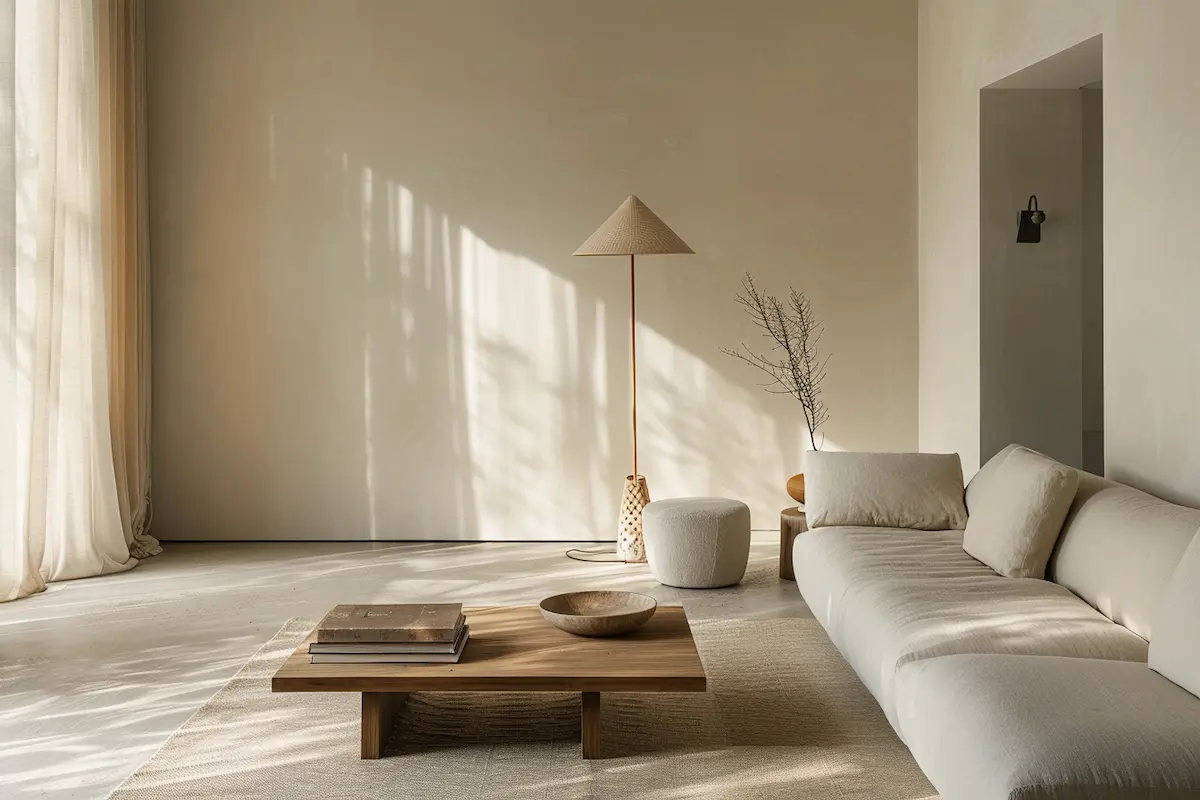
Using lighting as a statement piece sounds simple—until a space starts to feel busy instead of calm. The difference comes down to restraint. In Crafted Minimalism, a statement lamp isn’t something you add on top of everything else. It’s something you make room for.
The most important rule is to limit yourself to one primary statement per space. When multiple objects compete for attention, the entire concept loses its strength. A single, well-chosen lamp will always have more impact than three “interesting” ones placed together. This is especially true in living rooms and bedrooms, where visual calm is essential.
Placement plays a huge role as well. A statement lamp works best when it’s positioned with intention—next to a sofa, beside a lounge chair, or slightly off-center in a corner where it can anchor the composition. It shouldn’t feel like it was squeezed into the layout, but rather like the space was designed around it.
Another key factor is light quality. Harsh, bright lighting will immediately break the soft, layered feel that defines this style. Instead, choose warm, diffused light that enhances materials rather than flattening them. This is why lamps with linen shades, paper textures, or indirect lighting work so well—they soften shadows and create depth.
Equally important is what you don’t add. Negative space is what allows a statement piece to stand out. Surrounding your lamp with too many accessories—small decor items, stacks of books, or extra lighting—dilutes its effect. Let the piece breathe. Give it room to exist without competition.
When done right, the lamp doesn’t just light the room—it quietly organizes it. It becomes the point everything else responds to, without ever feeling dominant or overwhelming.
5 Statement Lighting Styles in Crafted Minimalism
Style 1: Sculptural Ceramic Lamps (Soft Earth Statement)
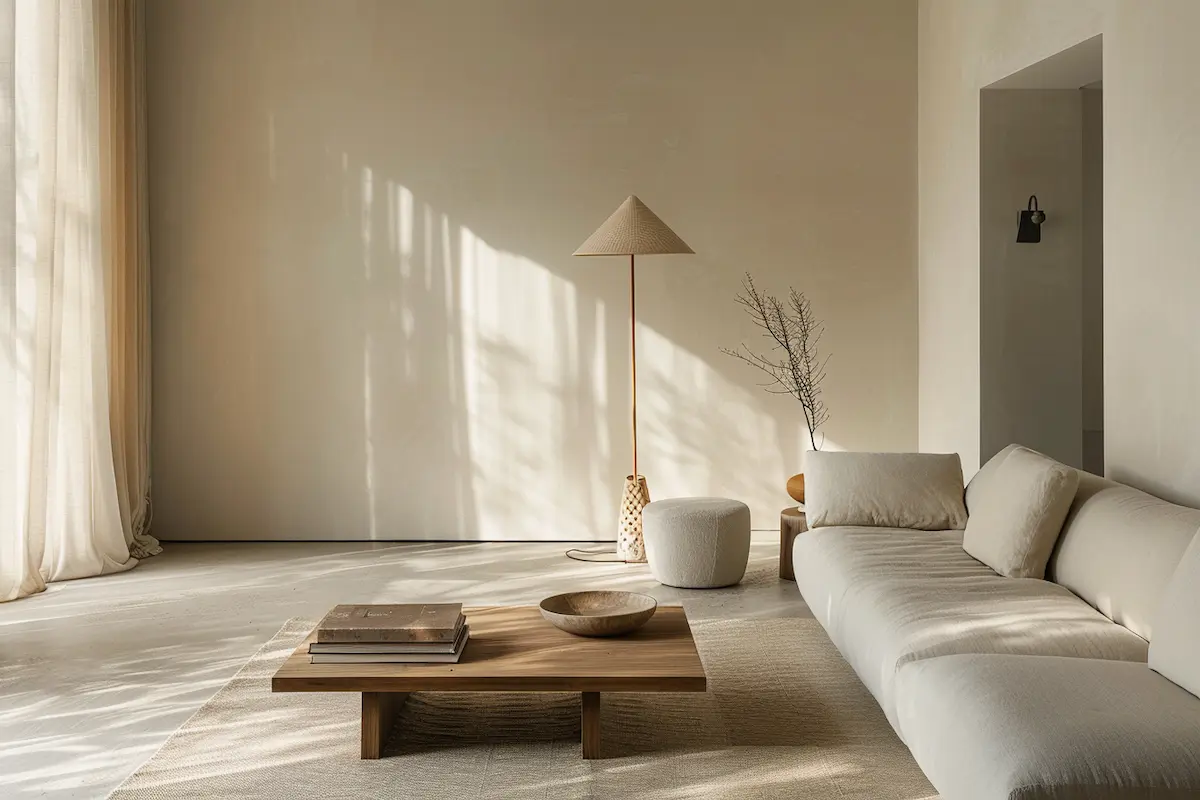
If there’s one style that perfectly captures the essence of Crafted Minimalism, it’s sculptural ceramic lighting. These lamps don’t try to impress through shine or complexity—they draw you in through texture, weight, and subtle irregularity. The moment you place one in a room, it shifts the entire atmosphere.
What makes ceramic lamps so powerful is their tactile quality. The surface often feels raw or softly matte, sometimes with visible imperfections that hint at the making process. This gives the piece a quiet authenticity that mass-produced lighting rarely achieves. Instead of reflecting light, ceramic absorbs and softens it, creating a warm, grounded glow.
Visually, these lamps tend to have organic, almost sculptural forms. Rounded bases, asymmetrical silhouettes, or slightly uneven edges make them feel more like objects of art than functional lighting. And that’s exactly why they work so well as a statement piece—they don’t need anything else around them to hold attention.
I personally gravitate toward ceramic lamps that feel slightly imperfect. Not overly polished, not too symmetrical. The kind of piece that looks like it could have been shaped by hand rather than designed on a screen. This subtle irregularity adds depth to a space that might otherwise feel too clean or controlled.
To recreate this look, I recommend choosing a lamp with a neutral, earthy tone—think off-white, sand, clay, or soft beige—and pairing it with natural materials like linen, wood, or stone. The goal isn’t contrast, but cohesion. The lamp should feel like it belongs to the space, while still standing out.
If you want to bring this exact atmosphere into your own home, look for ceramic lamps with a textured base and a soft fabric shade. These pieces don’t just light a room—they anchor it in a calm, understated way.
If you want to recreate this exact look, I found a piece that captures that same sculptural, grounded feel really well: the Rieort Ceramic Sculptural Table Lamp on Amazon.
What I like about this lamp is how it combines a slightly irregular ceramic base with a soft fabric shade. It doesn’t feel overly polished or mass-produced, which is exactly what you want in a crafted minimalist interior. The shape has just enough presence to stand out, while the neutral tone keeps everything calm and cohesive.
It’s the kind of piece that works best when you let it stand on its own—on a side table, a console, or even directly on a low cabinet—without surrounding it with too many accessories.
Style 2: Raw Wood Floor Lamps (Architectural Warmth)
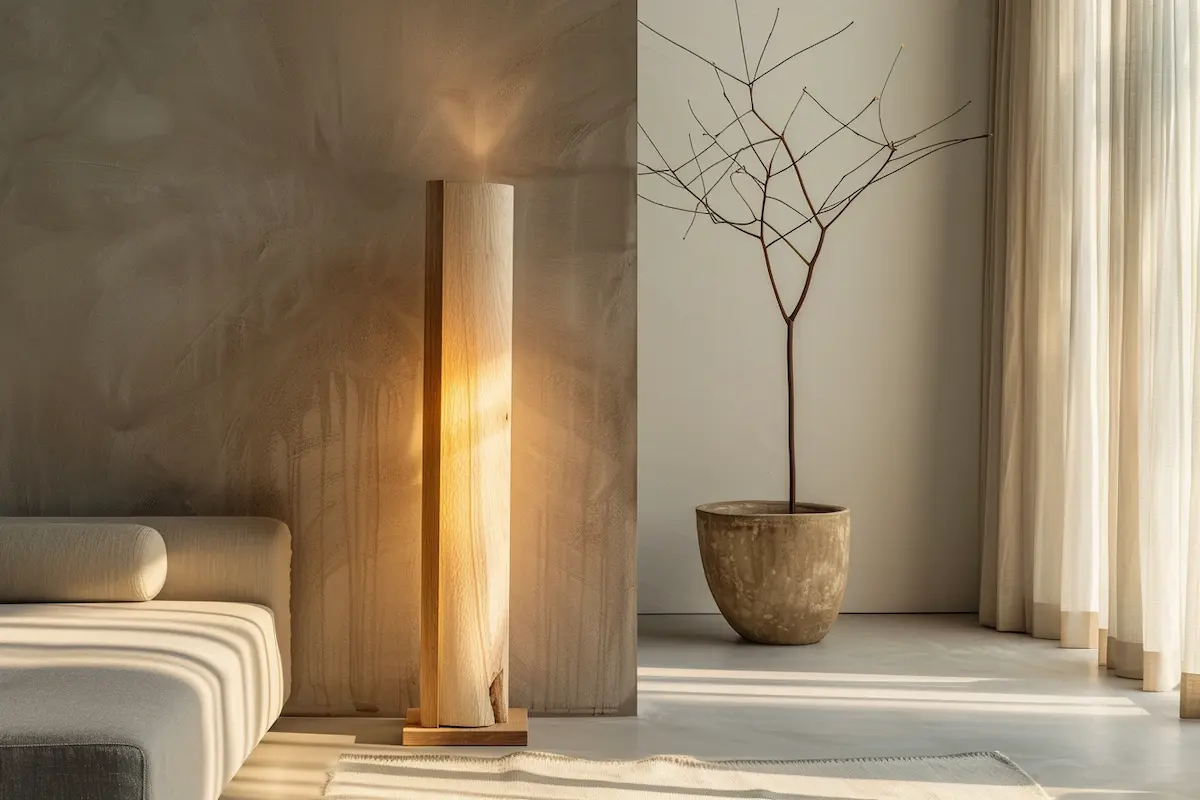
Where ceramic lamps feel soft and grounded, raw wood floor lamps introduce a more architectural kind of presence. These pieces don’t rely on curves or texture alone—they bring structure, height, and rhythm into a space. In a crafted minimalist interior, that verticality can be exactly what’s needed to balance low furniture and open layouts.
What makes this style so effective is the honesty of the material. Raw or lightly treated wood retains its grain, its subtle color variations, and sometimes even small imperfections. This creates a natural depth that instantly warms up a room without adding visual noise. It’s not decorative in the traditional sense—it simply exists, and that’s enough.
The design of these lamps is often minimal but intentional. Think clean lines, simple frames, or slightly geometric constructions that feel almost like part of the architecture. Instead of blending into the background, they define a vertical axis in the room, guiding the eye upward and adding a sense of balance.
I personally look for wooden floor lamps that feel sturdy and grounded, but not bulky. The best pieces have a certain lightness in their design—an open frame, a slim base, or a shade that diffuses light softly rather than blocking it. This keeps the overall look calm, even though the piece itself is quite present.
To recreate this style, place a wooden floor lamp next to a sofa, lounge chair, or in an empty corner that needs structure. Pair it with neutral textiles and avoid adding too many competing elements nearby. Let the wood speak for itself.
This kind of lamp doesn’t just illuminate a space—it subtly shapes it, adding warmth and architectural clarity at the same time.
If you want to bring this architectural warmth into your space, a piece like the Handmade Wooden Floor Lamp works beautifully.
What stands out to me here is the raw, almost unfinished look of the wood combined with a clean, minimal structure. It feels sturdy and grounded, but still light enough to fit within a calm, minimalist setting. This balance is exactly what makes it such a strong statement piece—it adds presence without overwhelming the room.
Place it next to a sofa or reading chair and keep the surrounding area intentionally simple. This is not a lamp that needs styling around it—the material and form already do all the work.
Style 3: Paper & Linen Lighting (Soft Diffused Calm)
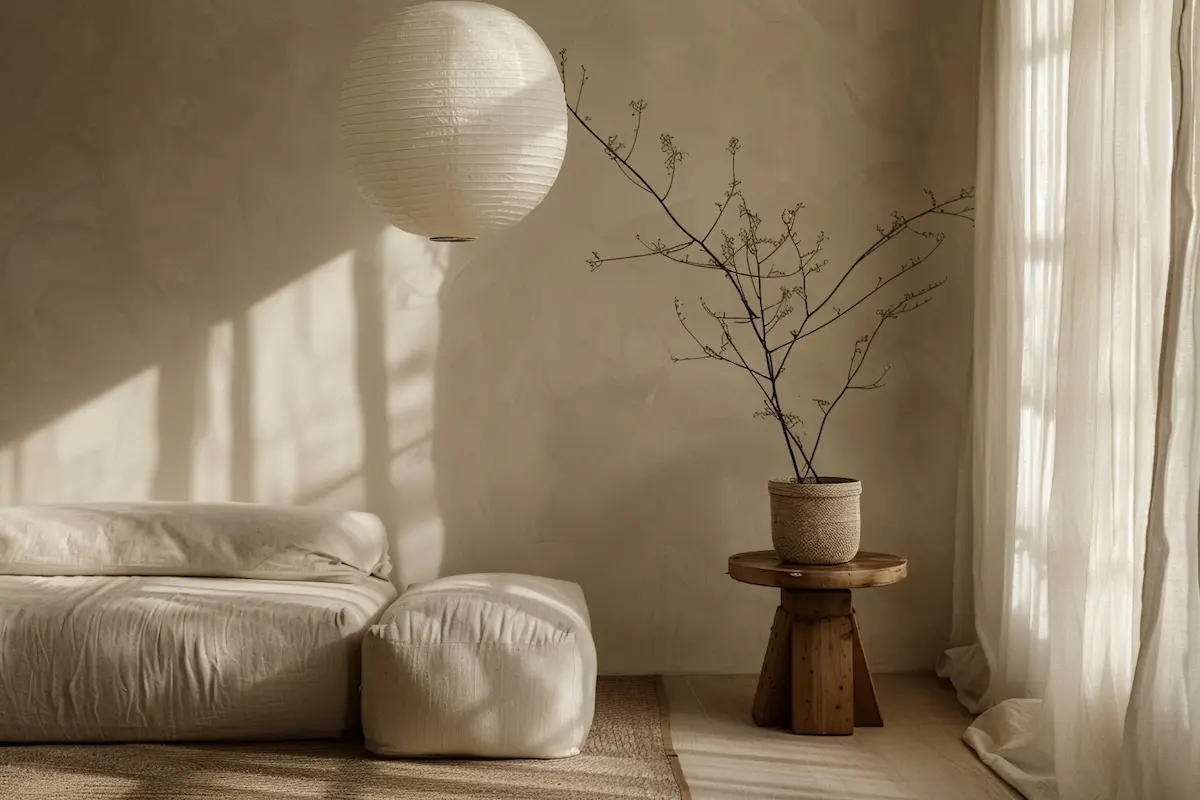
If some statement pieces define a space through weight and structure, paper and linen lighting does the opposite—it softens everything around it. This style brings a quiet, almost weightless presence into a room, making it perfect for interiors that lean toward calm, layered simplicity.
What makes this type of lighting so effective is the way it diffuses light. Instead of casting sharp shadows or bright focal points, paper and linen shades create a gentle, even glow. The light feels filtered, almost like daylight passing through fabric, which instantly makes a space feel more relaxed and cohesive.
Visually, these lamps are often inspired by Japandi and wabi-sabi influences. Think simple, rounded shapes, thin frames, and materials that feel natural and understated. There’s nothing overly designed about them—and that’s exactly the point. They don’t demand attention in a loud way, but they subtly shift the entire mood of the room.
I personally love using this style when a space already has enough structure—like wooden furniture or stone elements—and just needs something to soften the edges. A paper or linen lamp acts almost like a balancing layer. It brings lightness without making the space feel empty.
To recreate this look, choose a lamp with a neutral fabric or paper shade in off-white or warm beige tones. Avoid anything too crisp or bright white, as that can feel too sharp. Let the light do the work, and keep the rest of the styling minimal so the softness remains the focus.
If you want to achieve this exact atmosphere, a piece like the Japanese Style Paper Lantern Floor Lamp is a perfect starting point. It creates that signature diffused glow while keeping the overall look calm and understated—exactly what you want in a crafted minimalist space.
If you want to recreate this soft, diffused look, the Hytsoeee Japanese Paper Lantern Floor Lamp is a great example of how simple design can completely transform a space.
What I like about this piece is the lightweight, foldable paper shade combined with a clean, minimal frame. It gives off that signature warm, filtered glow without drawing too much attention to itself. Instead of becoming a hard focal point, it softens everything around it—which is exactly what you want in this style.
It works especially well in corners or next to a low sofa, where it can add height without adding visual weight. Keep the surrounding space minimal, and let the light create the atmosphere.
Style 4: Stone & Travertine Lamps (Heavy Minimalism)
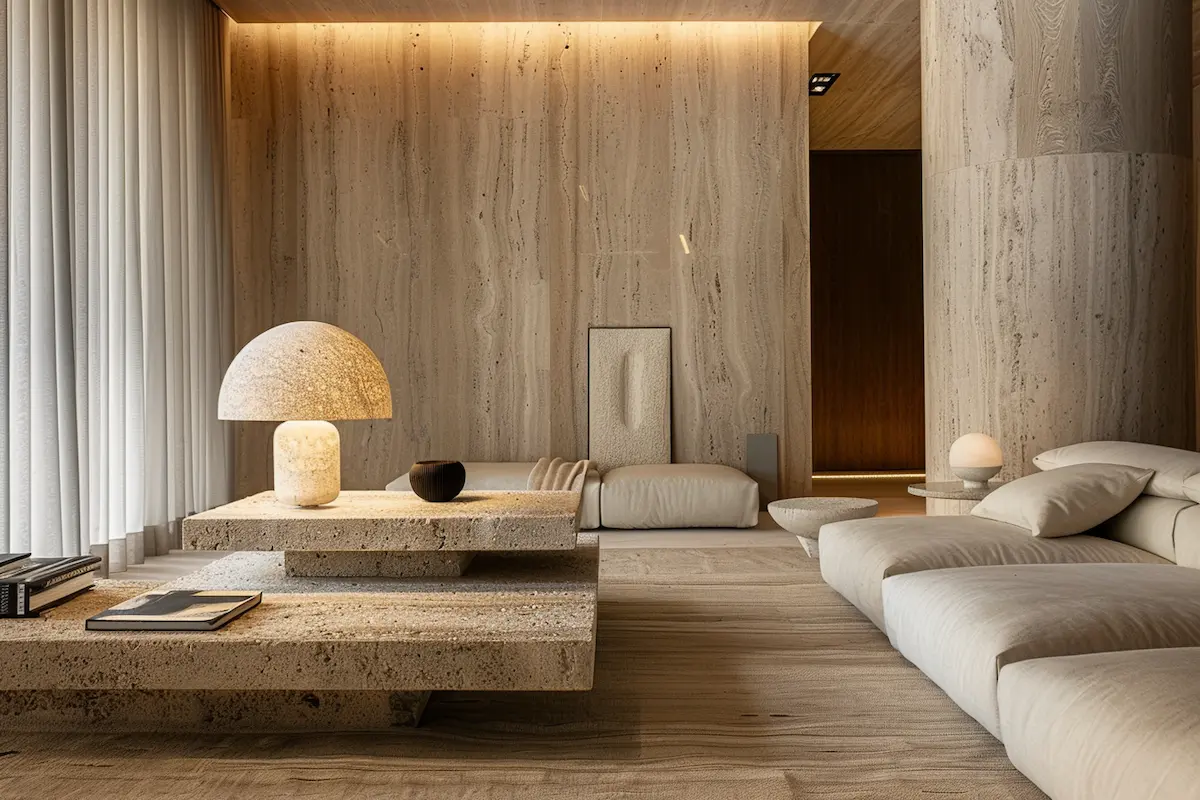
Where softer materials like paper and linen create lightness, stone and travertine lighting does the opposite—it grounds a space. These lamps bring a sense of permanence and weight that instantly elevates a crafted minimalist interior. They don’t just sit in a room—they anchor it.
What makes this style so striking is the contrast it creates. In a space filled with soft textiles, muted tones, and natural light, a stone lamp introduces density. The surface is often cool, matte, and subtly textured, which adds depth without relying on color or decoration. Travertine, in particular, has those natural pores and variations that make every piece feel unique.
The shapes are usually low, solid, and architectural. Instead of reaching upward like a floor lamp, these pieces often stay close to the ground—on a side table, console, or even directly on a pedestal. This low profile enhances their visual weight and makes them feel intentional rather than decorative.
I personally choose stone or travertine lamps when a space feels too “light” or unfinished. They add a sense of balance, especially in rooms with a lot of linen, wood, or neutral fabrics. It’s that subtle tension between soft and solid that makes the interior feel complete.
To recreate this look, go for a lamp with a substantial base and a neutral tone—beige, sand, or soft grey works best. Pair it with simple surroundings and avoid adding too many other statement elements nearby. This is a piece that needs space to fully land.
If you want to bring this grounded, high-end feel into your home, a piece like the Travertine Stone Table Lamp is a perfect choice. The solid base and natural texture give it that sculptural presence that defines this style.
If you want to bring this grounded, high-end feel into your home, the Adamo Travertine Mini Table Lamp (Crate & Barrel) is a perfect example of how powerful simplicity can be.
What stands out to me here is the combination of a solid travertine base with a minimal metal shade. The stone adds weight and texture, while the metal introduces just enough contrast to keep the design from feeling too heavy. It’s refined, sculptural, and quietly bold—exactly what a statement piece should be in a crafted minimalist interior.
This is the kind of lamp that works best on a clean surface—a console, side table, or even a low cabinet—where it can stand on its own without distraction.
Minimal Metal Statement Lamps (Subtle Contrast)
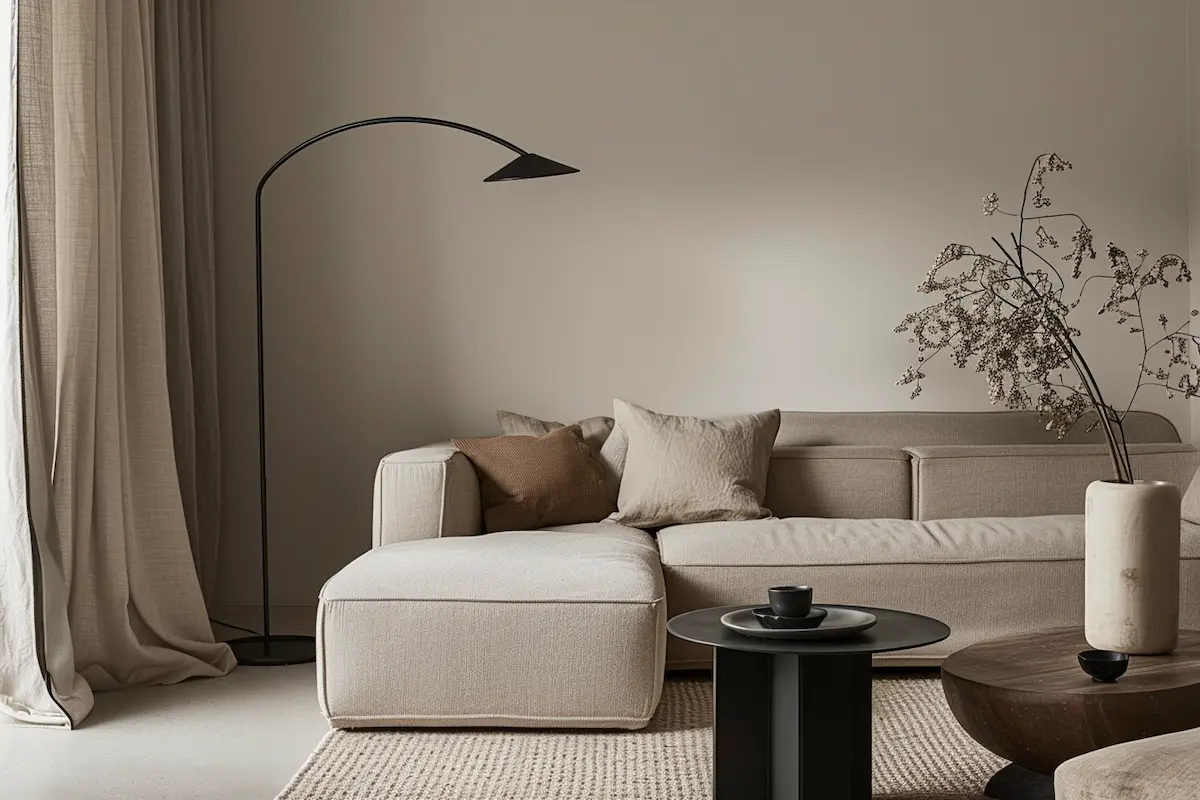
After working with soft textures and heavy materials, sometimes a space needs a different kind of tension. That’s where minimal metal lighting comes in. These lamps don’t rely on texture or mass—they stand out through precision, line, and contrast.
What makes this style work in Crafted Minimalism is its restraint. The designs are often reduced to their essentials: thin frames, clean curves, and a limited color palette like black, bronze, or brushed steel. There’s no excess, no ornamentation—just form and proportion. And because of that simplicity, every line matters.
Visually, these lamps introduce a subtle graphic element into the space. Against a backdrop of soft materials like linen, wood, or ceramic, metal creates just enough contrast to keep the interior from feeling too uniform. It sharpens the composition without making it feel cold or industrial.
I personally like to use metal statement lamps when a space feels too soft or lacks definition. A slim floor lamp with a curved arm or a minimal arc can add movement and direction, guiding the eye through the room. It’s not about making the lamp the loudest object—it’s about giving the space a bit more structure.
To recreate this look, choose a lamp with a slender silhouette and a matte or brushed finish. Avoid overly shiny chrome or overly decorative designs. The goal is subtle contrast, not distraction.
If you want to achieve this refined balance, a piece like the Minimalist Arc Metal Floor Lamp works beautifully. It adds just enough definition to the space while still keeping the overall atmosphere calm and cohesive.
If you want to introduce this kind of subtle contrast in a more architectural way, the Vibia Out Floor Lamp (Protopixel, Graphite) is a perfect example.
What makes this piece stand out is its almost sculptural simplicity. The thin metal structure and graphite finish give it a refined, understated presence, while the clean lines add a strong visual direction to the space. It doesn’t rely on bulk or texture—instead, it creates impact through proportion and precision.
This is the kind of lamp that works beautifully in open spaces or next to a minimal seating area, where it can define the composition without overpowering it.
How to Choose the Right Statement Lighting for Your Space
Choosing the right statement lighting isn’t about picking the most beautiful lamp—it’s about choosing the right kind of presence for your space. The goal is not to impress, but to create balance.
Start by looking at the size and openness of your room. In smaller spaces, a heavy or oversized lamp can quickly feel overwhelming. Here, lighter materials like paper or linen work better because they add atmosphere without taking up visual weight. In larger spaces, the opposite is true. A more grounded piece—like stone or wood—helps anchor the room and prevents it from feeling empty.
Next, consider the materials already present. A crafted minimalist interior works best when materials feel connected. If your space already features a lot of wood, a wooden or ceramic lamp will blend naturally while still adding depth. If your room feels too soft or monochromatic, introducing metal can create just enough contrast to sharpen the overall look.
Another important question is whether your priority is light or form. Some lamps are primarily functional—they provide soft, ambient lighting that shapes the mood. Others act more like sculptural objects that happen to give light. Ideally, you find a balance between the two, but knowing what your space needs helps narrow down your choice.
Also pay attention to placement and visibility. A statement lamp should be seen without effort. If it’s hidden behind furniture or competing with other decor, it loses its purpose. Give it space, and let it become part of the natural flow of the room.
When you approach lighting this way, the decision becomes much simpler. You’re not just choosing a lamp—you’re choosing how the room should feel.
Common Mistakes When Using Statement Lighting
Even the most beautiful statement piece can lose its impact if it’s used the wrong way. In Crafted Minimalism, the difference between a calm, intentional space and a cluttered one often comes down to a few subtle choices.
One of the most common mistakes is adding too many statement pieces. It’s tempting to combine multiple “beautiful” lamps or mix different styles, but this quickly creates visual competition. Instead of enhancing the space, everything starts to cancel each other out. One strong piece will always have more impact than several average ones.
Another issue is choosing a lamp that is simply too small for the space. A statement piece needs presence. If it disappears next to your sofa or gets lost in the room, it’s no longer a statement—it’s just another object. Scale matters more than people think.
A more subtle mistake is focusing only on appearance instead of function. A lamp might look perfect during the day, but if the light is too harsh, too cold, or poorly directed, it disrupts the entire atmosphere in the evening. In this style, light quality is just as important as form.
Finally, many interiors suffer from a lack of breathing room. Surrounding a statement lamp with too many accessories—small decor items, books, or additional lighting—takes away its strength. The power of a statement piece comes from contrast, and that contrast only exists when there is enough empty space around it.
Avoiding these mistakes isn’t about strict rules. It’s about understanding that in Crafted Minimalism, what you leave out is just as important as what you choose to include.
Conclusion: One Piece Can Define the Entire Room
In Crafted Minimalism, a space isn’t built through layers—it’s defined through intention. Instead of filling a room with objects, you create focus. And often, that focus comes down to a single piece that quietly shapes everything around it.
Statement lighting is one of the most powerful ways to do this. It combines function with form, atmosphere with structure. Whether it’s the softness of paper, the warmth of wood, the weight of stone, or the precision of metal—each choice brings a different kind of presence into the room.
What matters most is not how many pieces you add, but how deliberately you choose them. A well-placed lamp can replace the need for multiple decorative elements. It can anchor your layout, highlight your materials, and create a sense of calm that feels complete rather than empty.
If you’re building your space from the ground up, start with the essentials (as I’ve outlined in Must-Have Crafted Minimalist Furniture), then introduce one defining element. If lighting doesn’t feel like the right fit, you might explore texture-driven accents like in Ceramics as Statement Pieces or visual focal points like in Wall Art in Crafted Minimalism.
But whichever direction you choose, the principle stays the same:
choose less, choose better—and let one piece do the talking.