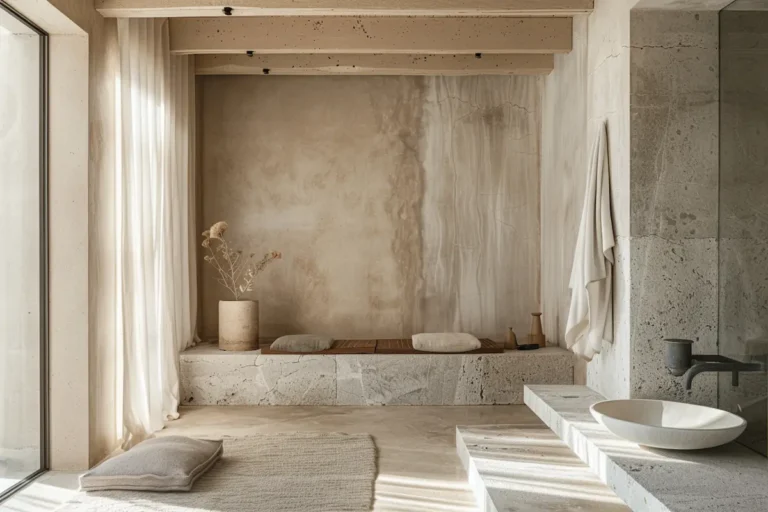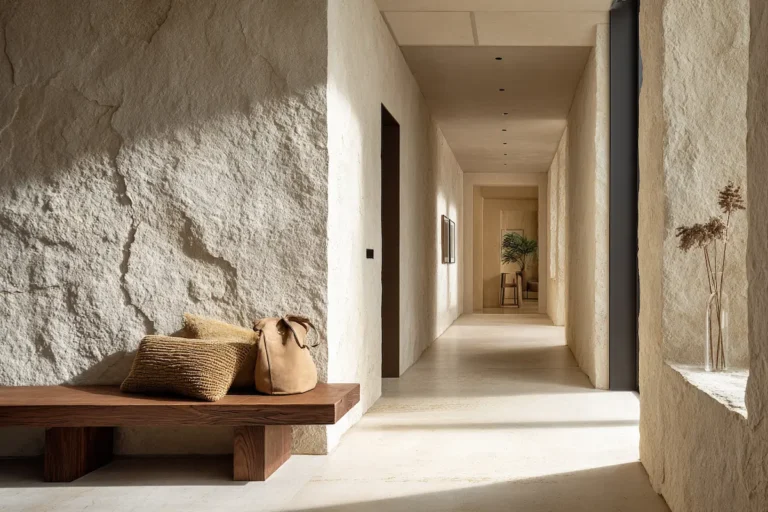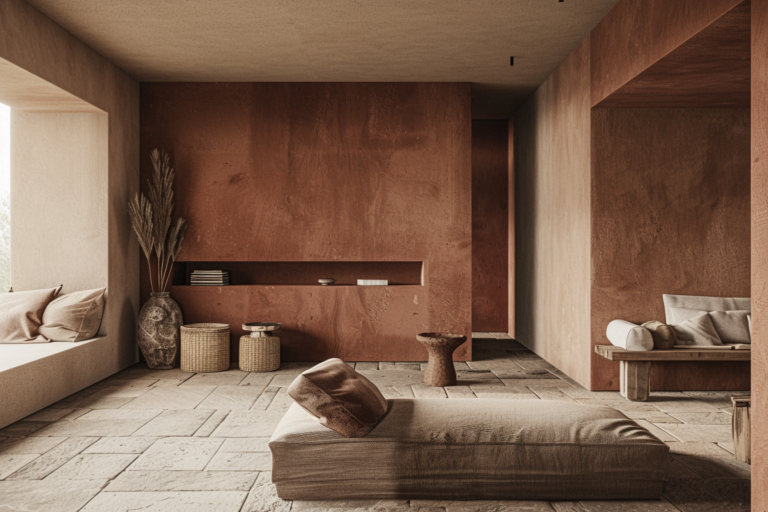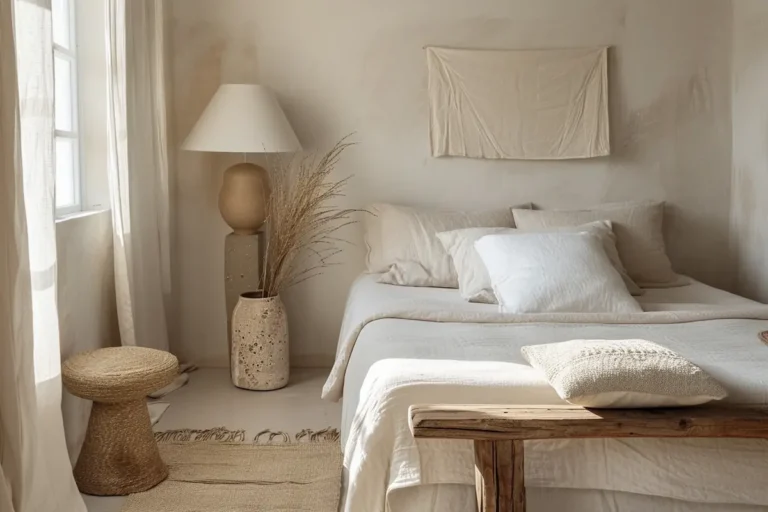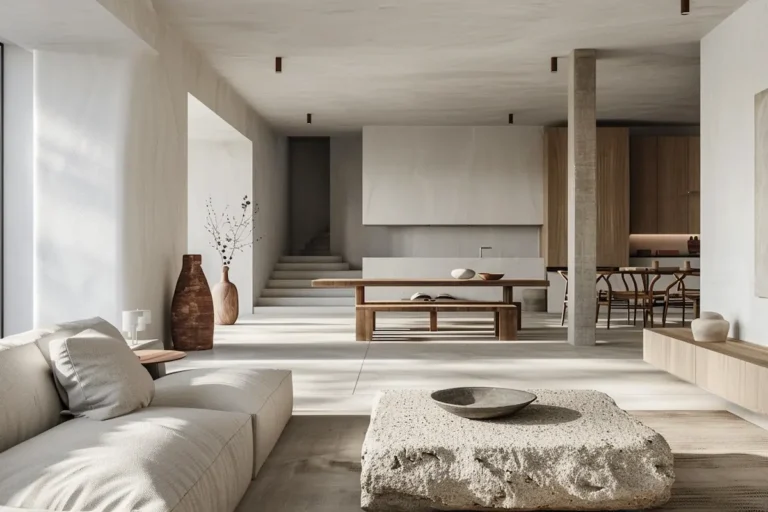
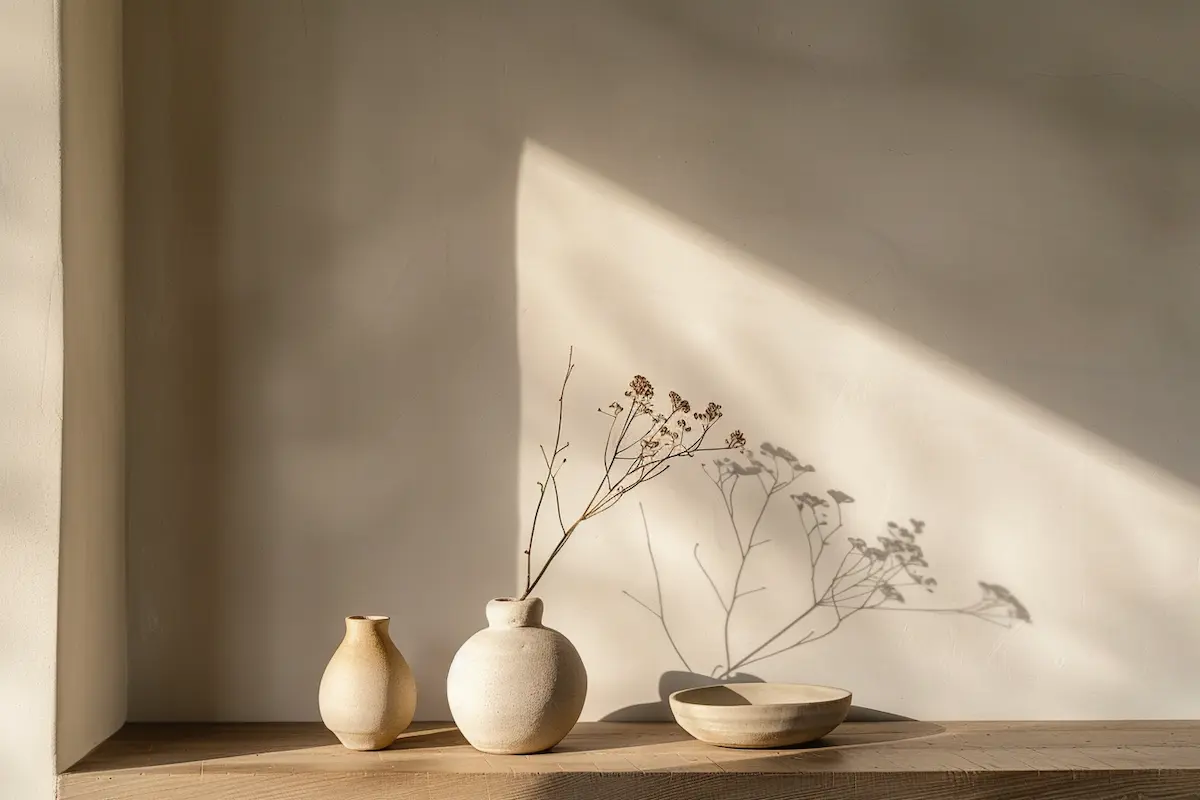
Accessories in Crafted Minimalism: 5 Intentional Styles That Elevate Your Space
Why Accessories Matter in Crafted Minimalism
In most interiors, accessories are treated as an afterthought — something you add at the end to “finish” a space. In Crafted Minimalism, it works the other way around. Accessories are not fillers. They are quiet extensions of the materials, shapes, and atmosphere that define the room.
Where traditional styling often relies on layering many small decorative items, Crafted Minimalism asks for restraint. Fewer objects, but each one chosen with intention. A ceramic lamp isn’t just a light source — it becomes a sculptural element. A linen textile isn’t just soft — it introduces depth and tactility. Every accessory carries visual weight.
This is also where many interiors go wrong. Too many small items, too little cohesion, or objects that feel disconnected from the materials in the space. If you’ve ever felt like a minimalist room still looks “off,” accessories are often the missing link. (You’ll see exactly what to avoid in Styling Mistakes in Crafted Minimalism.)
In this article, I’ll walk you through five distinct accessory styles — each one built around lighting and supported by materials like wood, ceramics, and textiles. These are not trends, but intentional choices you can actually recreate.
What Makes an Accessory “Crafted Minimalist”?
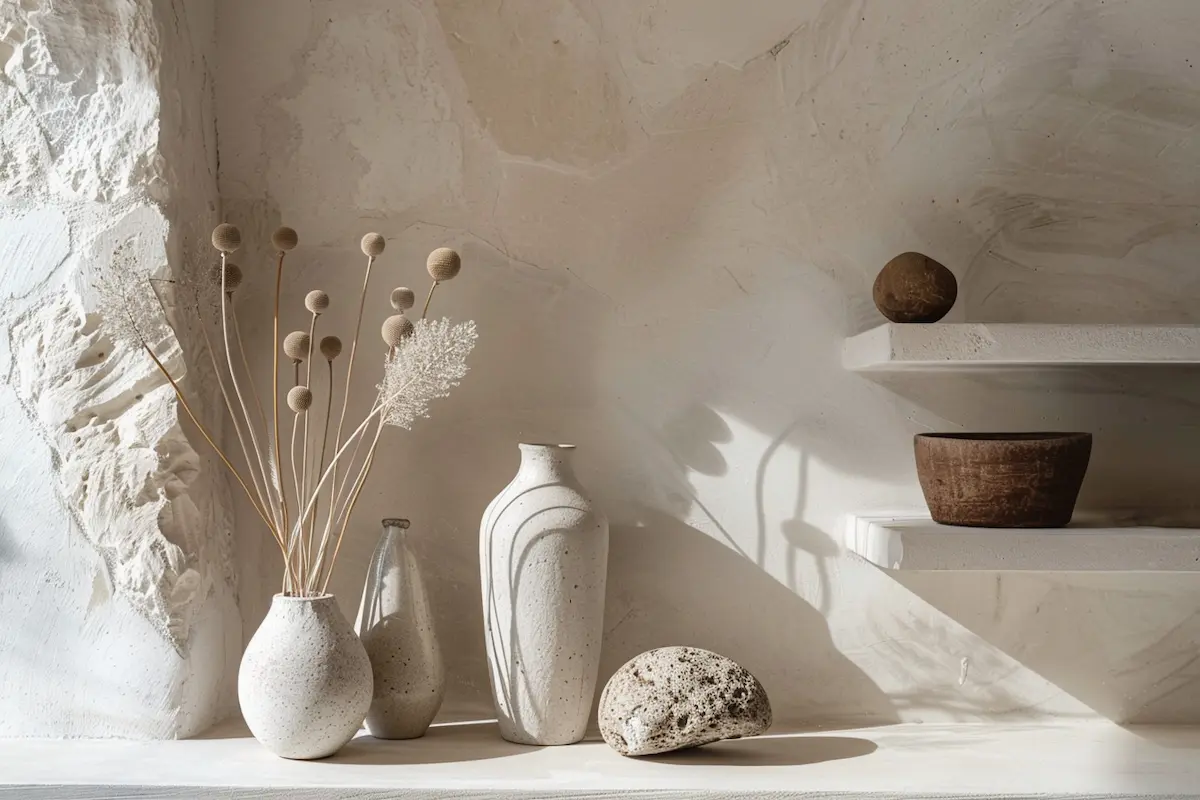
Not every neutral object fits within Crafted Minimalism. The difference is subtle, but important: it’s not about how something looks at first glance — it’s about what it adds to the space over time.
A crafted minimalist accessory is defined by three things: material, imperfection, and purpose.
First, material always comes first. Think raw wood, stone, ceramics, linen, or aged metals. These materials don’t just sit in a space — they interact with light, texture, and shadow. A smooth plastic object might visually disappear, but a ceramic surface with slight irregularities creates depth without adding clutter.
Second, there’s imperfection. Crafted Minimalism leans into objects that feel human. Slightly uneven edges, subtle variations in color, or visible grain patterns give an object presence. This is what separates a mass-produced item from something that actually contributes to the atmosphere.
Finally, purpose. Every accessory should justify its place. That doesn’t mean everything has to be functional, but it should feel intentional. A lamp provides light and acts as a sculptural anchor. A textile adds warmth and softens hard lines.
This is also why scale matters. One well-chosen object with presence will always outperform a collection of smaller items competing for attention.
If you remember one thing, let it be this:
In Crafted Minimalism, accessories are not decoration — they are structure.
Style 1: Sculptural Lighting as a Statement Piece
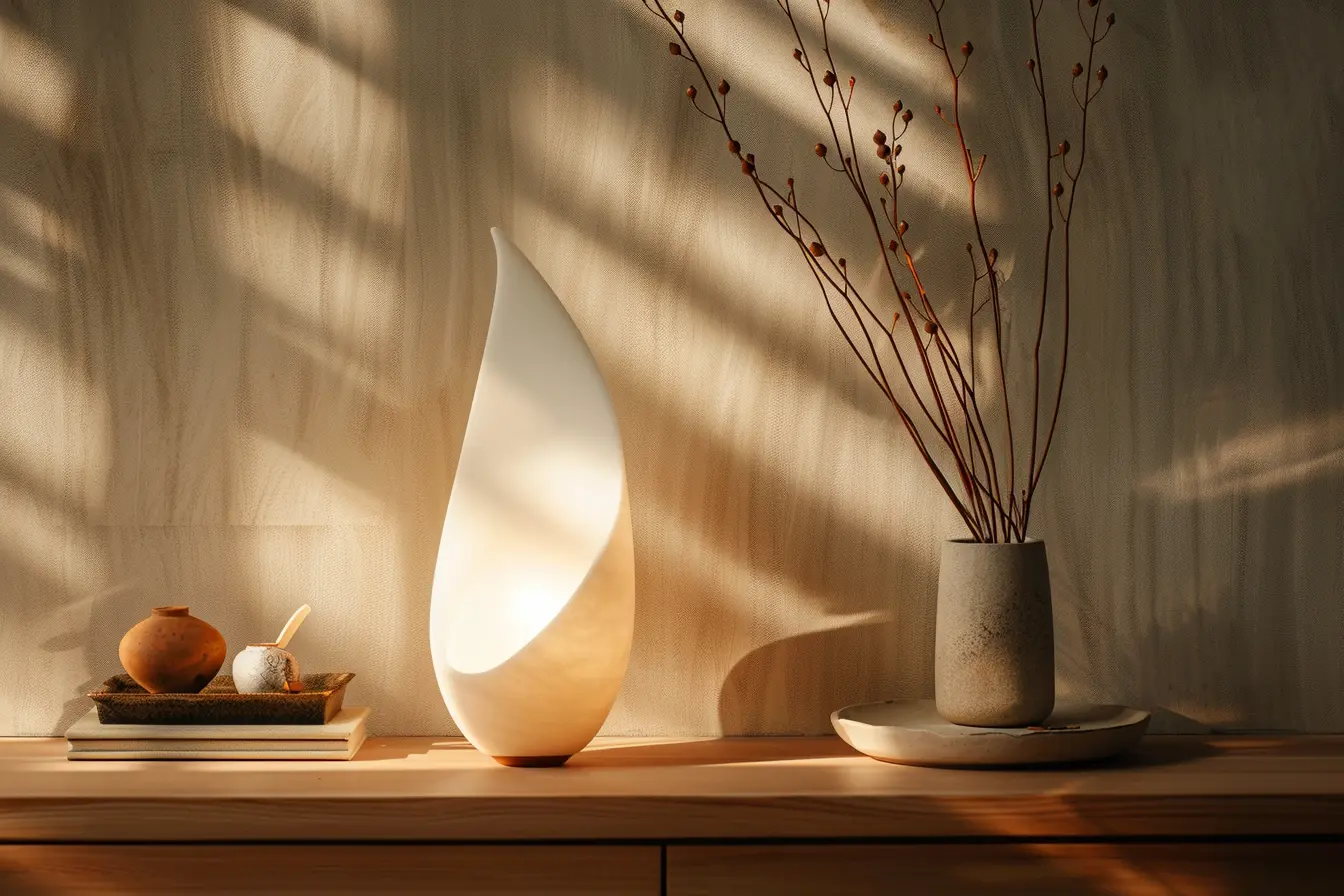
If there’s one accessory that can completely define a space in Crafted Minimalism, it’s lighting — specifically sculptural lighting. This is where function and form merge into a single object that quietly commands attention.
Instead of choosing a lamp that simply “blends in,” this style does the opposite. A sculptural lamp becomes the visual anchor of the room. Think organic shapes, slightly irregular silhouettes, and materials like ceramic, plaster, or textured stone. These pieces feel almost like small artworks — but with a purpose.
What makes this work so well in a minimalist setting is contrast. Most Crafted Minimalist interiors rely on clean lines, low furniture, and a calm palette. Introducing one sculptural element breaks that predictability in a subtle way. It draws the eye, without overwhelming the space.
When I select a piece for this look, I always look for soft asymmetry and material richness. A ceramic table lamp with a hand-formed base, for example, adds depth even when the color palette stays neutral. The way light interacts with the surface — catching small imperfections and textures — is what gives it presence.
A piece like this works best when it’s given space. Place it on a raw wood console, a minimal side table, or even directly on the floor next to a low sofa. Avoid surrounding it with too many smaller objects. The strength of sculptural lighting lies in its ability to stand on its own.
This is also the kind of investment that instantly elevates a room. You don’t need multiple accessories when one piece already does the work.
Recommended piece for this style:
This Murano glass table lamp is a perfect example of sculptural lighting in its purest form. The geometric pyramid shape immediately draws the eye, while the handcrafted glass introduces subtle variations that keep it from feeling too rigid or industrial.
What makes this piece stand out to me is the balance between structure and softness. The form is bold and architectural, but the way the light diffuses through the glass creates a warm, almost atmospheric glow. It doesn’t just sit in a space — it transforms how the space feels.
This is exactly the kind of statement piece that works in Crafted Minimalism: one object, placed with intention, that replaces the need for multiple smaller accessories.
Style 2: Earth-Toned Textiles with Depth
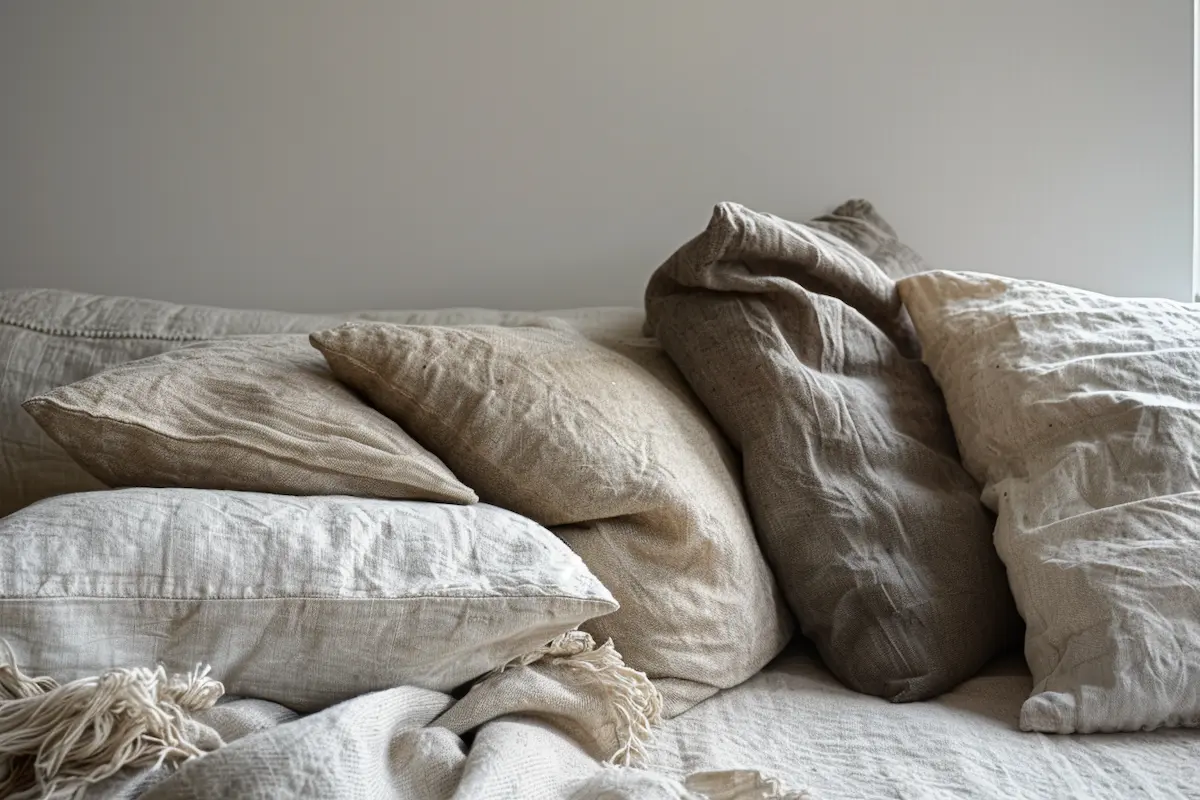
In Crafted Minimalism, textiles are often the most underestimated accessories. Because they’re soft and subtle, they rarely get treated as focal points — but when used intentionally, they can completely transform how a space feels.
This style is all about earth-toned textiles with visible texture. Think linen throws, wool blankets, or handwoven cushions in shades of beige, sand, clay, and muted brown. Not flat, perfect fabrics — but materials with slight irregularities, natural creases, and depth.
What makes this approach so effective is that it adds warmth without adding visual noise. Where decorative objects can quickly feel like clutter, textiles blend into the space while still enhancing it. They soften hard lines, absorb light, and create a more tactile, lived-in atmosphere.
When choosing textiles for this look, I always avoid anything too polished or overly styled. No shiny finishes, no busy patterns. Instead, I look for subtle variation in the fabric itself — a slightly uneven weave, a washed linen finish, or a natural color that isn’t completely uniform. These details might seem small, but they’re exactly what makes a space feel calm instead of staged.
Placement matters just as much as the material. A casually draped linen throw over a low sofa, or a single textured cushion placed with intention, often works better than perfectly arranged sets. The goal is not symmetry, but effortlessness.
This is also one of the easiest ways to upgrade a space. You don’t need to replace furniture — just introducing one or two high-quality textiles can shift the entire mood.
Recommended piece for this style
This textured chenille cushion is a great example of how subtle textiles can add depth without disrupting the calmness of a space. The soft, slightly irregular surface gives it that tactile quality that’s essential in Crafted Minimalism — it’s not perfectly smooth, which makes it visually interesting without being loud.
What I like about this piece is how easily it blends into an earthy palette while still adding dimension. The texture catches light in a very soft way, creating gentle variation instead of contrast. That’s exactly what you want when working with a minimal base.
Used on its own or paired with a simple linen throw, this kind of cushion helps soften structured furniture and makes the space feel more lived-in — without ever tipping into clutter or overstyling.
Style 3: Raw Ceramics as Functional Decor
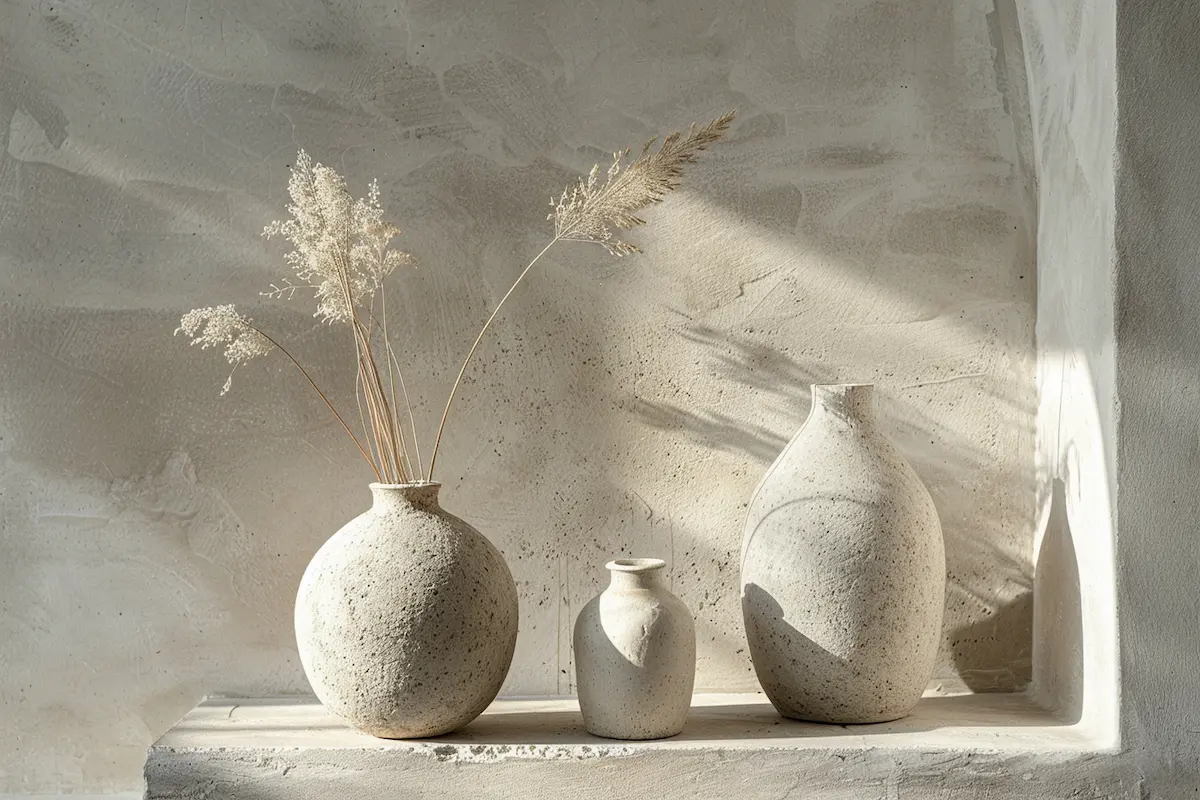
If you want to add character to a space without adding clutter, raw ceramics are one of the most effective accessories you can use. They sit exactly on the edge between function and sculpture — which is where Crafted Minimalism feels most natural.
Unlike perfectly finished decor, raw ceramics bring a sense of quiet imperfection. Slightly uneven edges, matte finishes, and subtle variations in tone make each piece feel more grounded. They don’t try to stand out, yet they add depth in a way that polished objects simply can’t.
What I personally look for in ceramic pieces is restraint in both shape and color. Simple silhouettes — vases, bowls, or low-profile vessels — work best. The interest should come from the material itself, not from decorative details. Think chalky textures, soft beige tones, or slightly darker clay hues that blend naturally into the space.
Another key element is how you group them. Instead of spreading objects across a room, it’s more effective to create a small, intentional composition. Two or three pieces with slight variation in height or shape can feel balanced without becoming visually busy. This creates a focal point, while still keeping the overall space calm.
Placement is equally important. Raw ceramics work beautifully on a wooden table, a stone surface, or even a minimal shelf with plenty of negative space around it. The contrast between textures — smooth wood, rough clay, soft light — is what gives the composition its depth.
This is also one of the easiest ways to make a space feel more “crafted” without changing anything structural. One well-chosen ceramic piece can subtly shift the entire atmosphere.
Recommended piece for this style
This ceramic vase set is a strong example of how simple forms can create a balanced composition without feeling staged. The soft matte finish and muted tones give each piece a calm, grounded presence — exactly what you want in a Crafted Minimalist interior.
What I like about this set is the variation in shape while staying within the same visual language. This makes it easy to create a small grouping that feels intentional rather than decorative. You don’t need to overthink placement — two or three pieces together already create enough depth.
These vases work especially well on a wooden console, a dining table, or even a shelf with plenty of negative space around them. The key is to let them breathe. Their strength comes from simplicity, not from styling tricks.
Style 4: Natural Wood Objects with Presence

Wood is one of the most defining materials in Crafted Minimalism — not just in furniture, but also in the accessories you choose. Where ceramics bring softness, wood introduces structure, warmth, and a sense of grounding that ties everything together.
This style focuses on wooden objects with visible character. Think hand-carved bowls, sculptural pieces, or simple trays where the grain is clearly visible. The goal isn’t perfection, but authenticity. Knots, color variations, and irregular edges are exactly what give these pieces their presence.
What makes wood so powerful as an accessory is its ability to connect different elements in a space. Even if your furniture is minimal, adding a wooden object can subtly echo other natural materials and create cohesion. It’s not loud, but it’s essential.
When I choose wooden pieces, I always look for depth in the grain and a slightly raw finish. Highly polished or lacquered wood often feels too refined for this style. Instead, a matte or lightly treated surface keeps the look grounded and tactile.
Placement is key here. A single wooden bowl on a table can already act as a visual anchor. You don’t need to fill it or decorate it — the object itself is enough. This is a good example of how Crafted Minimalism shifts the focus from “styling” to “presence.”
It also works beautifully in combination with ceramics or textiles. The contrast between hard and soft, smooth and textured, is what creates a layered but still calm interior.
Recommended piece for this style
This cherry wood bowl is a perfect example of how a simple object can carry real presence. The rich tone of the wood and the visible grain immediately add warmth, while the slightly irregular shape keeps it from feeling too polished or mass-produced.
What I like about this piece is that it doesn’t need anything added to it. You can leave it empty on a table or console, and it still works as a focal point. That’s exactly what you’re aiming for in Crafted Minimalism — objects that stand on their own without needing extra styling.
The natural variation in the wood also makes it easy to combine with other materials like ceramics or linen. It doesn’t compete, but it quietly connects everything in the space.
Style 5: Soft Ambient Lighting for Atmosphere
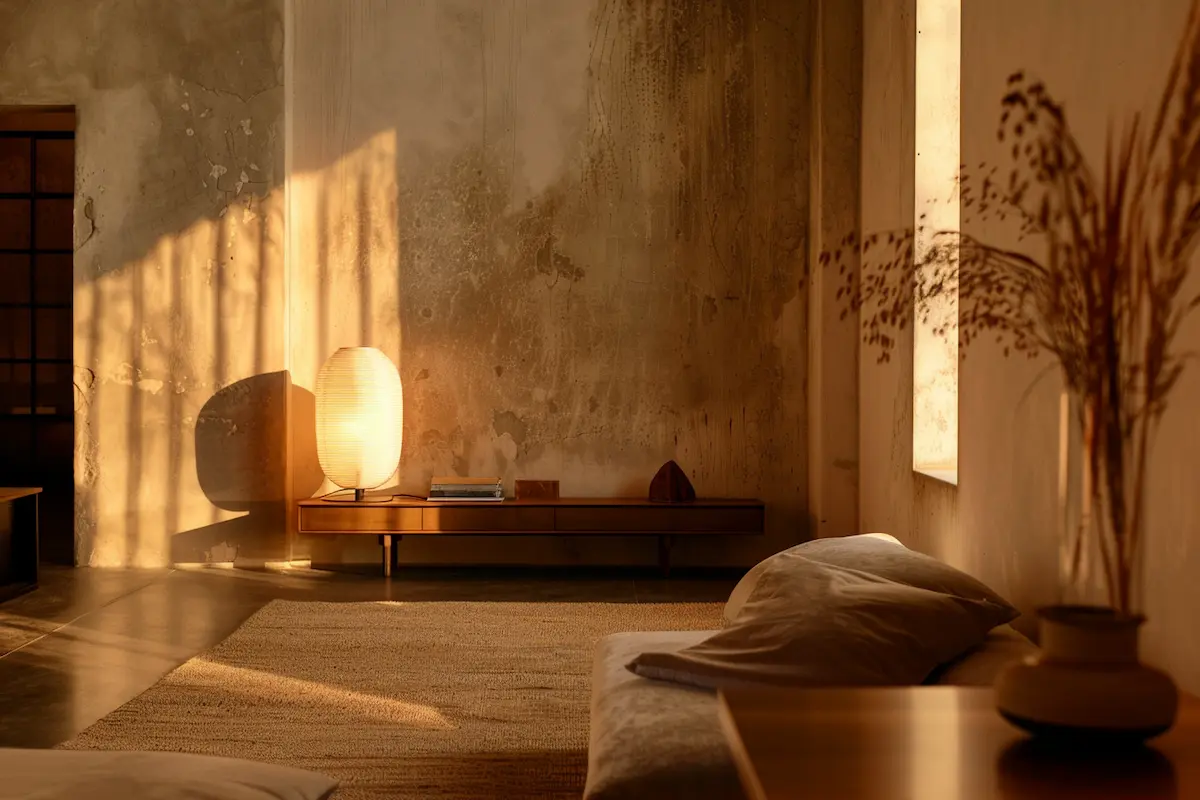
Where sculptural lighting acts as a statement, soft ambient lighting plays a completely different role. It doesn’t draw attention to itself — instead, it shapes how the entire space feels.
In Crafted Minimalism, light is never purely functional. It’s used to create atmosphere, soften materials, and add depth. This is especially important in interiors built around neutral tones, where contrast is subtle and texture does most of the work.
This style focuses on indirect, diffused lighting. Think floor lamps with fabric shades, wall lamps that cast soft shadows, or low lighting placed strategically to highlight materials like wood, linen, or stone. The goal is not brightness, but warmth.
What I personally look for in these pieces is how the light spreads, not just how the lamp looks. A good ambient light source should never feel harsh or directional. Instead, it should gently fill the space, creating layers of light and shadow that make the room feel calm and lived-in.
This is also where many minimalist interiors fall short. Without layered lighting, a space can quickly feel flat or even cold. Adding one well-placed ambient light source can completely change that — making textures more visible and the entire room more inviting.
Placement matters more than quantity. One floor lamp in a corner, or a wall lamp near a seating area, is often enough. The key is to let the light interact with the materials around it.
Recommended piece for this style:
https://andlight.com/shop/hay-common-oblong-35749p.html
This elongated pendant light is a perfect example of how ambient lighting can shape a space without overwhelming it. The soft, diffused glow spreads evenly, creating a calm atmosphere while subtly highlighting the materials around it.
What stands out to me is the balance between minimal form and visual impact. The shape is clean and understated, but because of its scale and placement, it naturally becomes part of the spatial experience rather than just a light source.
This is exactly what you want in Crafted Minimalism: lighting that doesn’t demand attention, but quietly transforms how a room feels. Suspended above a table or in an open space, it adds depth, softness, and cohesion — without introducing visual clutter.
How to Combine Accessories Without Clutter
One of the biggest challenges in Crafted Minimalism isn’t choosing the right accessories — it’s knowing when to stop. Even the most beautiful objects can lose their impact when they’re combined without intention.
The key is to think in small, controlled compositions rather than spreading items across a space. A simple rule that works almost every time: group objects in sets of two or three. This creates balance without feeling forced or overly styled.
Material repetition is just as important. If you introduce a ceramic piece, let it subtly return elsewhere. The same goes for wood or textiles. This creates a sense of cohesion without needing visual symmetry.
And then there’s negative space — arguably the most important “element” of all. Empty space allows objects to breathe. Without it, even high-quality pieces start to feel like clutter. In Crafted Minimalism, what you don’t place is just as important as what you do.
This is also where many interiors go wrong. Too many small items, too many different materials, or a lack of hierarchy can quickly make a space feel chaotic. If you recognize that in your own home, it’s worth revisiting the fundamentals. (You’ll find the most common pitfalls explained in Styling Mistakes in Crafted Minimalism .)
Conclusion: Accessories as Quiet Statements
In Crafted Minimalism, accessories are never about filling space — they’re about defining it. Every piece you choose should add something: texture, warmth, contrast, or atmosphere. If it doesn’t, it doesn’t belong.
What makes this approach so powerful is its simplicity. You don’t need more. You need better. One sculptural lamp, a carefully chosen textile, a ceramic object with presence, or a single wooden piece can completely shift how a room feels.
Throughout these five styles, the common thread is intention. Nothing is random, nothing is excessive. Each accessory supports the space instead of competing within it.
If there’s one takeaway, let it be this:
A calm interior isn’t created by removing everything — it’s created by choosing what truly matters.
From here, the next step isn’t to buy more, but to refine what you already have. Replace one item. Remove another. Let your space evolve slowly.