Budget-Friendly Crafted Minimalist Furniture: 5 Stylish Looks You Can Actually Afford
What Makes Furniture Feel “Crafted”
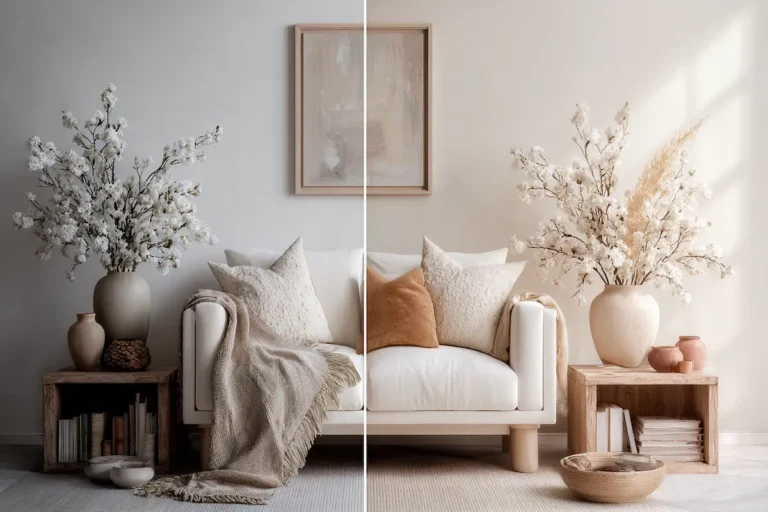
At first glance, crafted minimalist furniture doesn’t necessarily look complicated. In fact, it often appears simple—almost understated. But that simplicity is exactly what makes it powerful. The difference between a generic piece of furniture and one that feels crafted lies in the details you don’t immediately notice, but definitely feel.
Mass-produced furniture is typically designed to be as smooth, uniform, and “perfect” as possible. Surfaces are often coated in glossy finishes, textures are minimized, and materials are engineered to look identical across every piece. While this can feel clean, it often lacks warmth and depth.
Crafted minimalism works the other way around.
Instead of hiding imperfections, it embraces them. Think of a wooden table where you can still see the grain running through the surface, or a chair with a slightly uneven linen texture that catches the light differently throughout the day. These subtle variations create a sense of authenticity—something that feels human, tactile, and grounded.
When you’re shopping on a budget, this is exactly what you want to look for.
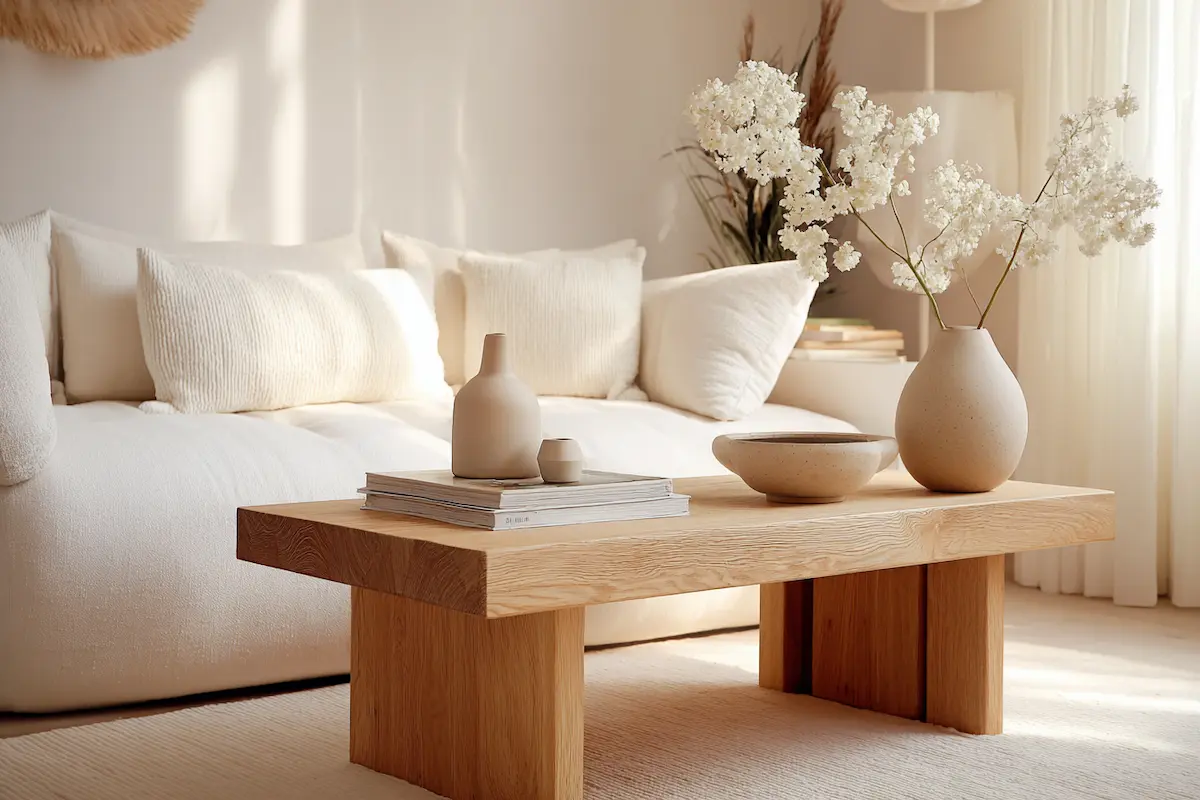
Focus less on whether something is labeled as “designer” and more on how it feels visually. Materials play a huge role here. Matte finishes are almost always a better choice than glossy ones, especially when it comes to wood. A light oak or warm walnut tone with visible grain instantly adds depth, even if the piece itself is affordable. The same goes for fabrics—linen-look or textured cotton will always feel more elevated than perfectly smooth synthetics.
Shape is another key element. Crafted minimalist furniture tends to lean toward softer, more organic forms. Rounded edges, low profiles, and slightly irregular silhouettes help create that calm, grounded atmosphere the style is known for. Even a simple coffee table can feel intentional and high-end if the proportions are right and the lines are gentle rather than sharp.
One important mindset shift: you don’t need every piece to feel crafted.
In fact, the most effective interiors often combine a few standout pieces with more basic ones. By choosing one or two items that have that tactile, crafted quality—like a wooden table or a sculptural chair—you create a focal point. The rest of the space can stay simple and budget-friendly without losing the overall aesthetic.
If you want a deeper breakdown of which furniture pieces make the biggest visual impact, it’s worth exploring Must-Have Crafted Minimalist Furniture. It helps you prioritize where to invest (or where to be strategic with your budget) so you get the most effect for the least cost.
Once you start looking at furniture through this lens—texture over perfection, form over branding—you’ll notice that creating a crafted minimalist interior is far more accessible than it seems.
How to Build a Budget Crafted Minimalist Look
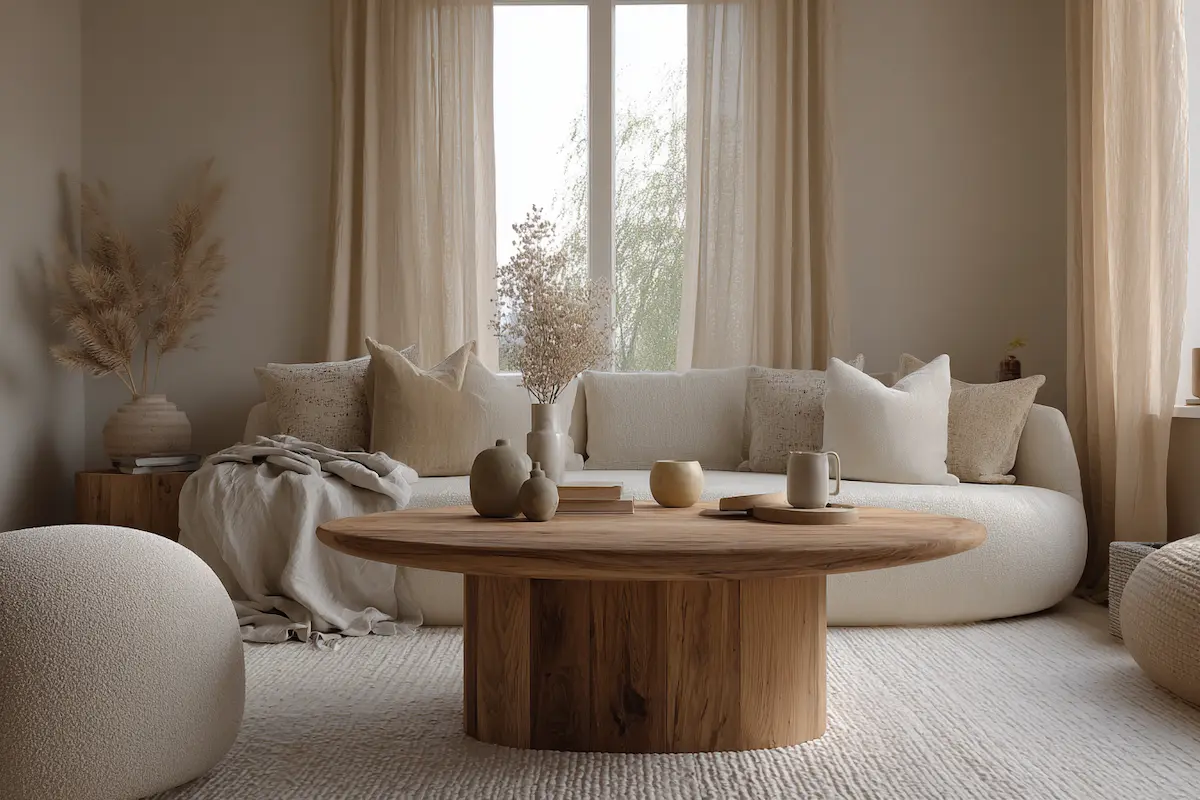
Creating a crafted minimalist interior on a budget isn’t about finding the cheapest furniture—it’s about making intentional choices that create the illusion of depth, calm, and quality. The goal is not to fill a space, but to shape it.
The most important strategy is to start with a single focus piece.
This could be a coffee table, a dining table, or even a chair—something that visually anchors the room. When this one piece has the right texture, color, and shape, it sets the tone for everything around it. Suddenly, even simpler or more affordable items feel more elevated because they’re supporting a strong visual foundation.
From there, keep your palette restrained.
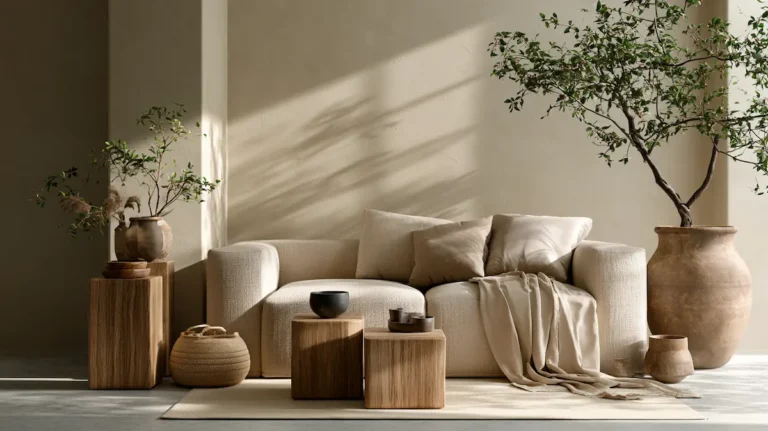
Crafted minimalism relies heavily on soft, natural tones: warm whites, sand, beige, muted browns, and subtle greys. Sticking to this kind of palette instantly removes the “cheap” look that often comes from too much contrast or overly saturated colors. It also allows textures—like wood grain, fabric weave, or stone finishes—to stand out more clearly.
Another key principle is to avoid anything that feels overly polished.
High-gloss finishes, plastic-like surfaces, or perfectly uniform materials tend to break the crafted illusion. Instead, look for pieces with a matte finish or a slightly imperfect surface. Even budget furniture can feel high-end when it reflects light softly rather than sharply.
A useful trick is to think in terms of layers, not items.
Rather than adding more furniture, focus on combining a few elements that each bring something different: a soft fabric, a warm wood tone, a subtle stone texture. This layering effect creates richness without clutter, which is exactly what crafted minimalism is about.
If you’re unsure where to prioritize your budget, it helps to understand which pieces have the biggest visual impact. That’s where Must-Have Crafted Minimalist Furniture comes in—it breaks down which items define the look and which ones can stay simple.
Below, you’ll find five distinct styles you can use as a starting point. Each one shows how to translate crafted minimalism into a budget-friendly setup—without losing the warmth and intention that define the aesthetic.
Style 1: Soft Wood Scandinavian Warmth
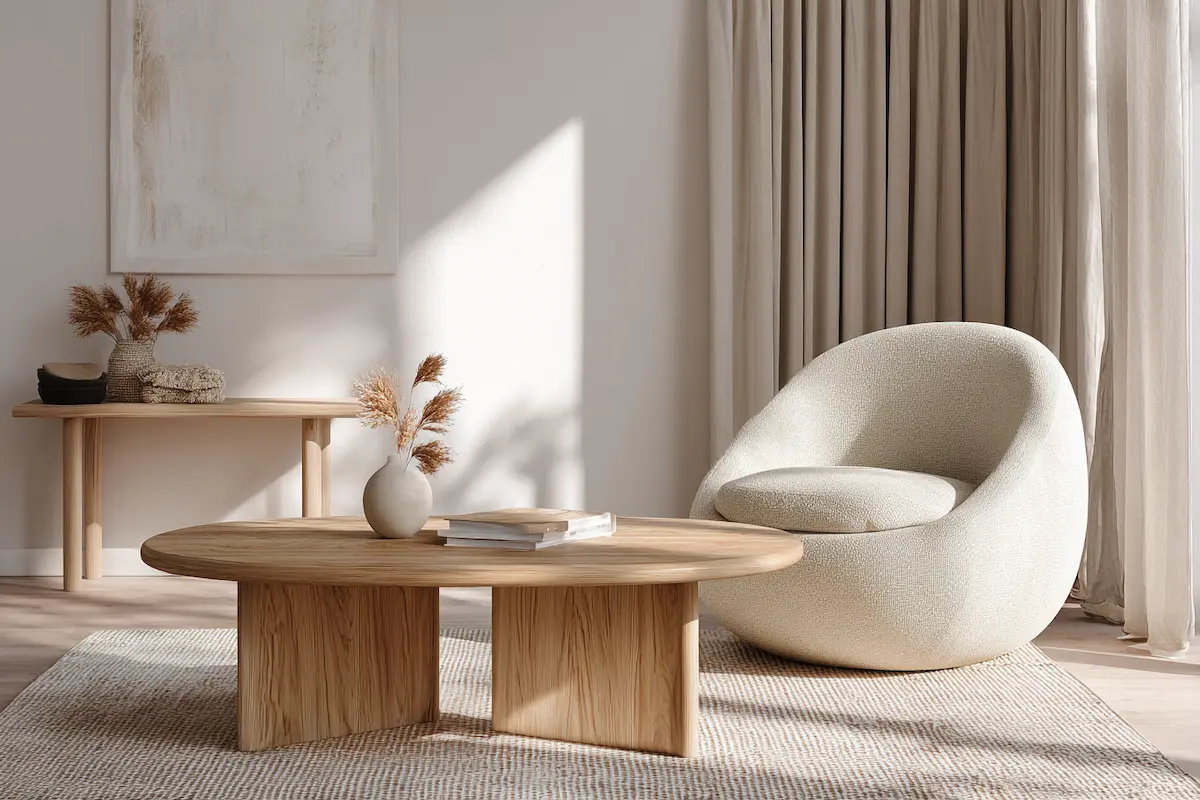
If you’re looking for the easiest entry point into crafted minimalism, this is it. Soft Wood Scandinavian Warmth is all about lightness, calm, and subtle texture—without feeling cold or overly minimal. It combines the simplicity of Scandinavian design with the tactile softness that defines crafted interiors.
The foundation of this style is light wood.
Think oak, ash, or soft pine tones with a matte finish and visible grain. This instantly creates warmth, even when the overall palette stays very neutral. Unlike high-gloss or heavily coated wood, these softer finishes absorb light instead of reflecting it, which gives the space that calm, grounded feeling.
Shapes play an equally important role here.
Furniture tends to have rounded edges, soft curves, and a low visual weight. Nothing feels bulky or dominant. Instead, everything works together to create a quiet, cohesive look. A rounded coffee table or a softly curved chair can already shift the entire atmosphere of a room.
What makes this style especially budget-friendly is its simplicity.
You don’t need expensive materials to make this work—you need the right shapes and finishes. Many affordable pieces already follow this design language, especially when you focus on curved silhouettes and neutral fabrics.
Recommended pieces:
- A round, sculptural coffee table with a soft geometric base
- A curved barrel accent chair in a neutral fabric
For example, this round geometric coffee table works surprisingly well within a crafted minimalist setting. Even though it leans slightly more contemporary, the rounded shape and soft presence make it feel calm rather than dominant. The key here is the silhouette—it avoids sharp lines and adds a subtle sculptural element without overwhelming the space.
The barrel accent chair is another strong choice. Its curved back instantly softens the room and introduces that cocoon-like feeling you often see in high-end interiors. When chosen in a neutral fabric, it mimics the look of linen or boucle, adding texture without visual noise.
I chose this combination very intentionally.
The coffee table adds structure and a focal point, while the chair introduces softness and comfort. Together, they create that balance between clean minimalism and warmth—exactly what crafted minimalism is about.
And the best part? Neither piece needs to be expensive to achieve this effect. When the shapes are right and the palette stays calm, even budget-friendly furniture can feel elevated and intentional.
This style also connects closely to the idea of sustainability within crafted minimalism. Choosing timeless, neutral pieces that won’t go out of style quickly is one of the easiest ways to create a more conscious interior. If you want to explore that angle further, take a look at Is Crafted Minimalism Sustainable.
Style 2: Raw & Earthy Minimalism
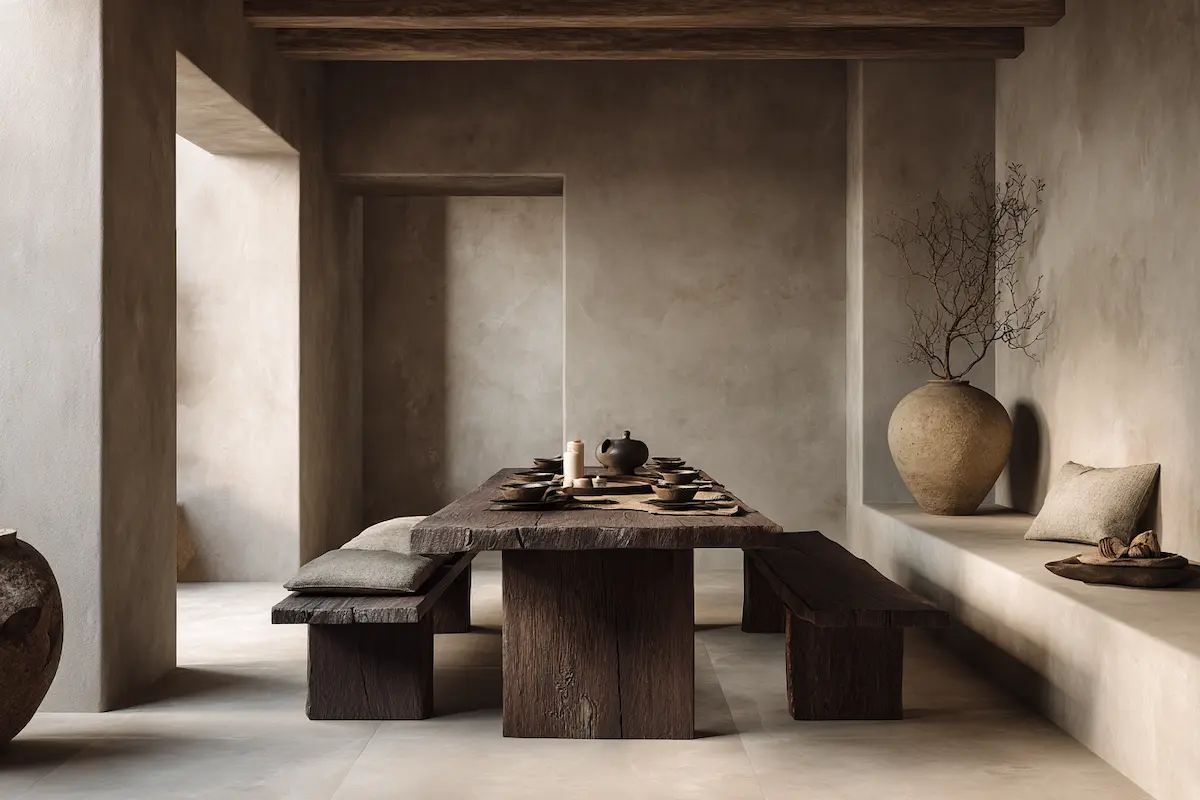
If Soft Scandinavian feels too light or polished for your taste, Raw & Earthy Minimalism brings in a deeper, more grounded atmosphere. This style leans into natural weight—both visually and emotionally—by using richer tones, heavier materials, and more visible texture.
At the core of this look is contrast through imperfection.
Instead of smooth, uniform finishes, you’ll see wood with knots, irregular edges, and tonal variation. Surfaces feel more tactile, almost untouched. This is where crafted minimalism starts to overlap with a more wabi-sabi-inspired approach: nothing needs to be flawless to feel beautiful.
Color plays a big role here.
Think warm browns, deep ash tones, clay, taupe, and muted earthy hues. These colors naturally absorb light, which creates a more intimate and calm environment. Compared to lighter Scandinavian styles, this palette feels more grounded and slightly more dramatic—without becoming heavy or overwhelming.
What makes this style surprisingly budget-friendly is the fact that perfection isn’t the goal.
In fact, slightly rougher finishes or less refined materials often enhance the look. That means you don’t need high-end craftsmanship to achieve the aesthetic—you need pieces that visually communicate texture and depth.
Recommended pieces:
The natural edge dining table is the anchor of this entire style. This type of table instantly creates that raw, grounded feeling because it highlights the natural shape of the wood rather than hiding it. The darker ash tone adds depth, while the irregular edge brings in that handcrafted, one-of-a-kind look—even if the piece itself is more accessible than it appears.
To balance that visual weight, I chose a ceramic decorative bowl as a secondary piece. This might seem simple, but it plays a crucial role. The subtle texture and matte finish echo the natural qualities of the table, while keeping the styling minimal and intentional. It adds just enough detail without introducing clutter.
This combination works because it focuses on contrast within restraint.
You have one dominant, textural statement piece (the table), supported by a smaller, equally tactile object. There’s no need for excess decoration—the materials themselves do the work.
If you want to take this style further, you can layer in additional natural elements like linen textiles or a soft wool rug, but always keep the palette cohesive and the composition calm.
Raw & Earthy Minimalism proves that you don’t need polished perfection to create a high-end interior. In fact, the more natural and slightly imperfect your pieces feel, the more authentic—and visually rich—the space becomes.
This appreciation for imperfection connects to a broader design philosophy. Wabi-Sabi in Crafted Minimalism explores where that influence comes from.
Style 3: Wabi-Sabi Inspired Budget Pieces
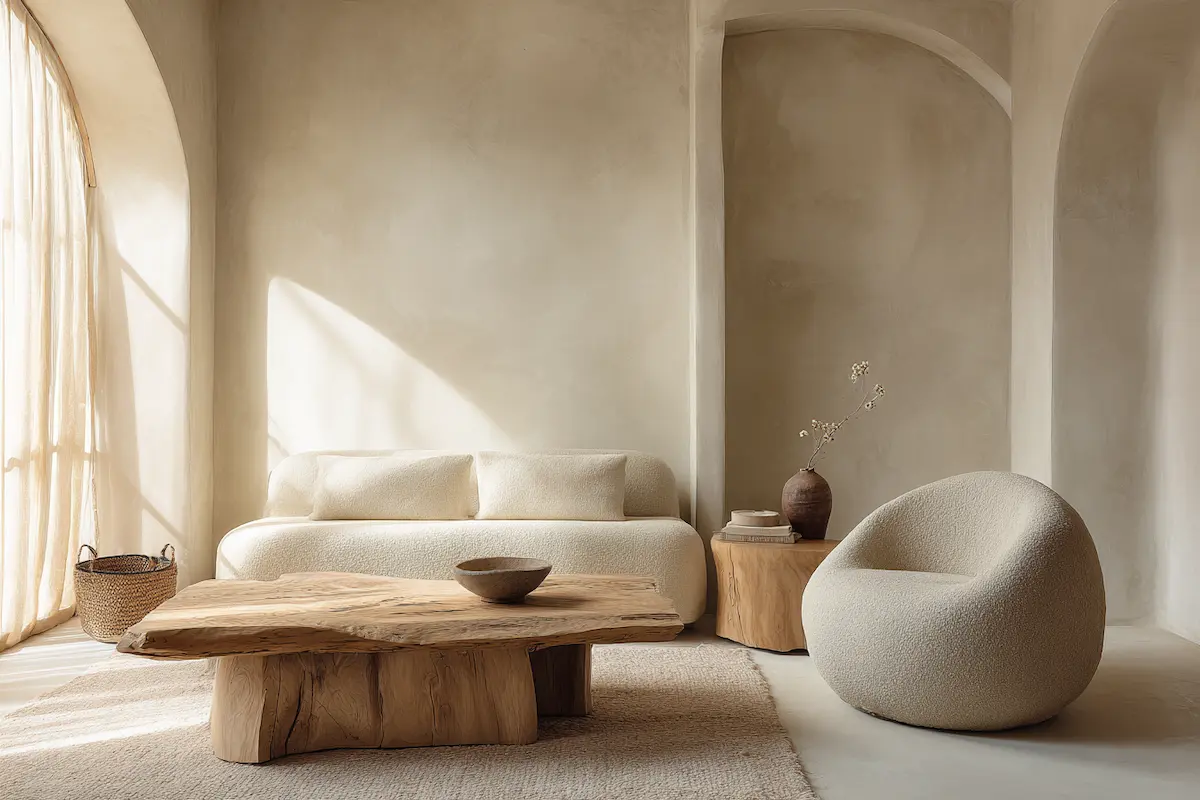
This is where crafted minimalism becomes softer, quieter, and more intuitive.
Wabi-sabi inspired interiors focus less on perfection and more on presence. It’s about creating a space that feels calm, lived-in, and effortless—without looking styled or overdesigned. Compared to the previous style, this direction is lighter, more airy, and visually minimal, but still rich in texture.
The key difference lies in restraint.
Instead of layering multiple materials or adding contrast through darker tones, this style works with subtle variation. Think pale wood, soft linen, warm whites, and barely-there shapes. Everything feels gentle and slightly imperfect, but still intentional.
What makes this style especially budget-friendly is its simplicity.
You don’t need complex materials, heavy statement pieces, or designer finishes. In fact, the more understated your furniture is, the better it fits. This makes it one of the easiest ways to achieve a high-end look without a high-end budget.
Recommended pieces:
- A light, solid wood coffee table with a simple, slightly organic shape
- A soft, rounded accent chair in a neutral fabric
The solid wood coffee table is a perfect example of how budget-friendly furniture can still feel crafted. What makes this piece work is not just the material, but the subtle irregularity in its design. The shape isn’t overly sharp or geometric, which gives it that relaxed, natural presence. It feels grounded without being heavy—exactly what you want in a lighter wabi-sabi-inspired space.
Then there’s the swivel accent chair, which adds a completely different layer to the room. Its rounded, almost cocoon-like shape softens the entire composition. Even though it’s a more modern piece, the curved silhouette and neutral upholstery allow it to blend seamlessly into a crafted minimalist setting. It brings comfort and flow into the space, without breaking the calm aesthetic.
I chose these pieces very deliberately with budget in mind.
The coffee table creates that essential “crafted” feeling through material and shape, while the chair introduces softness and movement. Neither relies on expensive finishes or designer branding—yet together, they create a space that feels intentional and elevated.
That’s exactly the power of this style.
By focusing on form, softness, and restraint, you can recreate a high-end interior using accessible pieces. There’s no need for perfection or expensive materials—just a clear understanding of what to include, and more importantly, what to leave out.
In a world where interiors often feel overfilled and overstimulating, this approach proves that less—when done right—can feel significantly more refined.
Style 4: Minimalist Vintage Mix
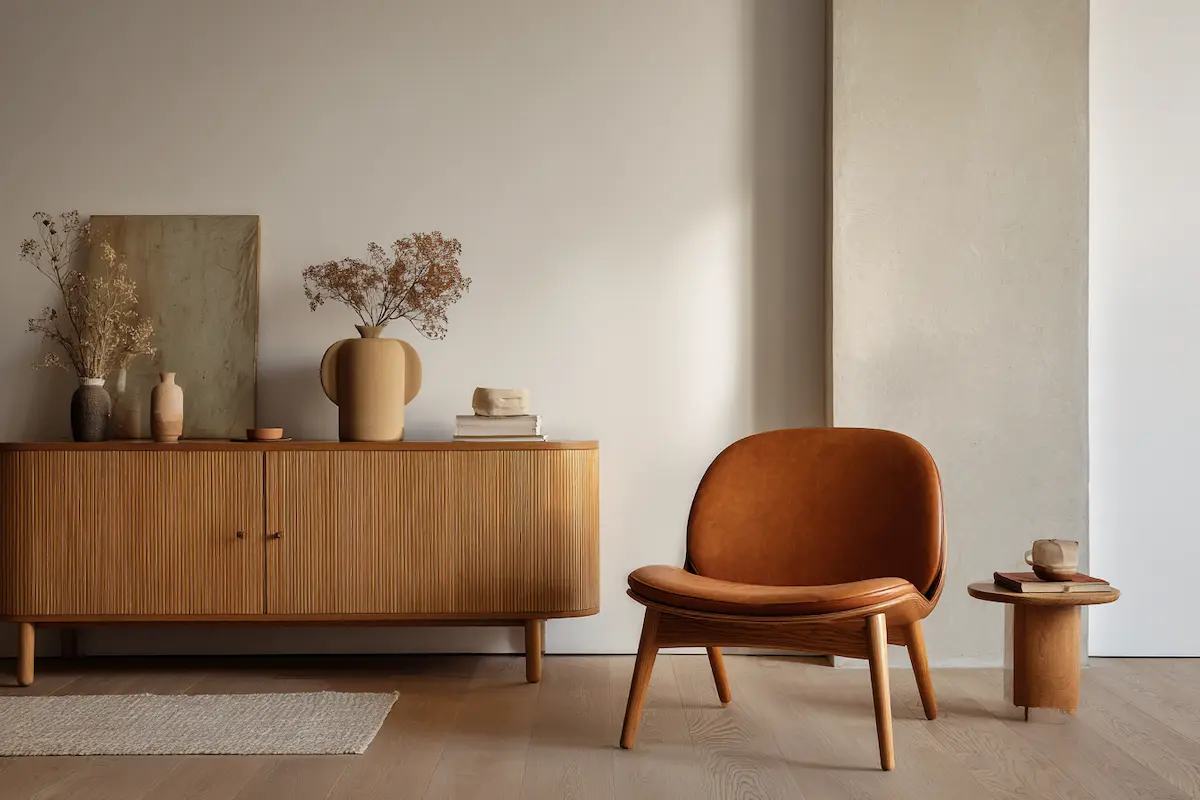
If you want a space that feels warm, lived-in, and slightly more personal, this is where crafted minimalism really comes to life. The Minimalist Vintage Mix combines clean, modern lines with subtle references to mid-century design—creating a balance between simplicity and character.
What sets this style apart is the sense of history.
Unlike purely modern interiors, which can sometimes feel a bit flat or impersonal, this approach introduces pieces that look like they have a story. Think warm wood tones, slightly richer colors, and furniture with recognizable silhouettes—without tipping into clutter or heaviness.
The key is restraint.
You’re not creating a full vintage interior. Instead, you’re selecting one or two pieces that bring in that nostalgic warmth, while keeping the rest of the space minimal and calm. This keeps the overall look aligned with crafted minimalism, rather than turning it into something eclectic or busy.
From a budget perspective, this style works incredibly well.
Vintage-inspired furniture is widely reproduced, which means you can achieve the look without investing in original mid-century pieces. The trick is to focus on form and finish, not authenticity. As long as the proportions and materials feel right, the effect is the same.
Recommended pieces:
- A warm wood sideboard with subtle detailing
- A mid-century inspired lounge chair with a sculptural frame
The sideboard cabinet is a strong anchor piece for this style. What makes it work is the combination of clean lines and subtle patterning. The vertical striped texture adds visual interest without overwhelming the space, while the warm wood tone keeps everything grounded. It introduces that “crafted” feel through detail, rather than excess.
The mid-century lounge chair brings in the vintage influence more explicitly. Its curved plywood frame and leather seating create that iconic silhouette that instantly elevates a space. Even as a more budget-friendly version, the shape alone carries a lot of visual weight. It feels intentional, designed, and timeless.
I chose these pieces because they complement each other without competing.
The sideboard provides structure and storage, while the chair adds a sculptural element that draws the eye. Together, they create a space that feels curated rather than decorated—a subtle but important difference.
What makes this combination especially effective is that neither piece relies on expensive materials to feel high-end. The strength lies in the design language: warm wood, clean lines, and recognizable forms that have stood the test of time.
If you keep the surrounding elements minimal—neutral walls, soft textiles, limited decor—you allow these pieces to stand out without creating visual noise.
Minimalist Vintage Mix proves that you don’t need authentic vintage furniture to achieve depth and character. With the right shapes and tones, even budget-friendly pieces can create a space that feels layered, warm, and effortlessly refined.
If you want to explore vintage character beyond budget-friendly reproductions, How to Use Vintage Pieces in Crafted Minimalism covers five curated approaches.
Style 5: Sculptural Minimalism on a Budget
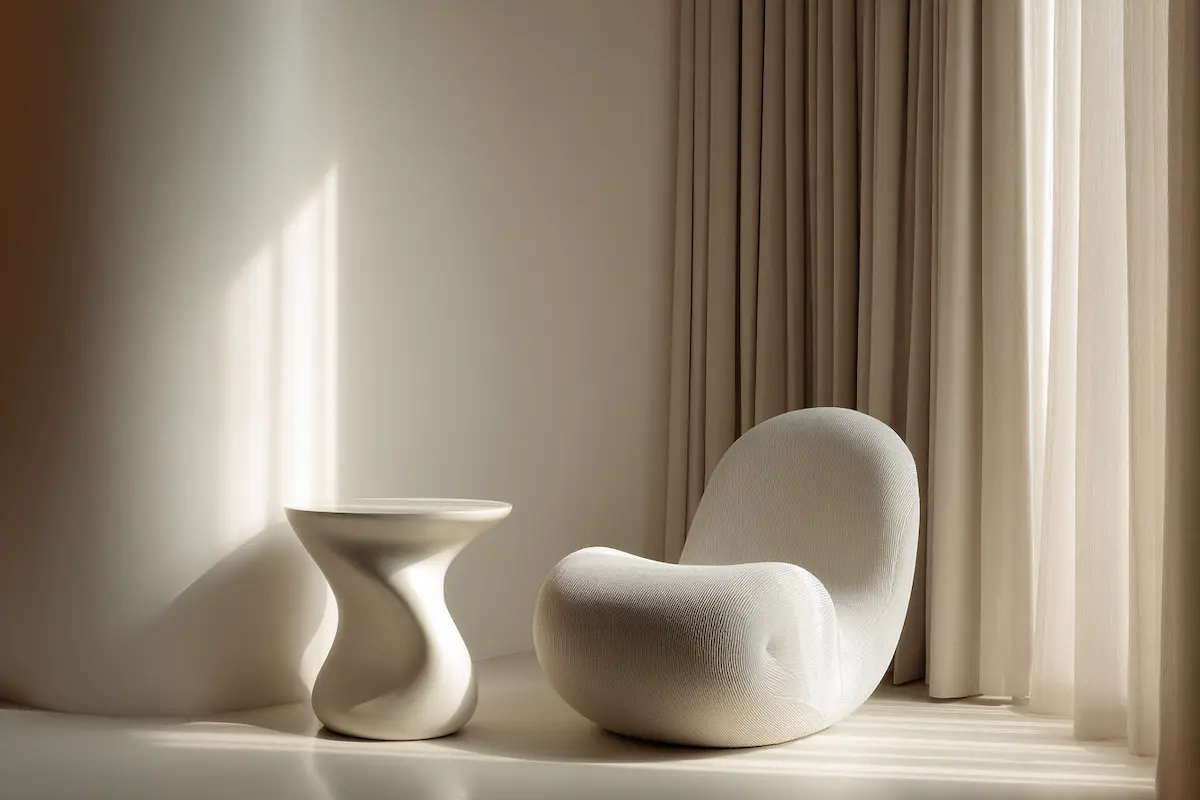
If the previous styles focus on warmth and texture, Sculptural Minimalism is all about form. This is where furniture becomes visual—almost like functional art—while still keeping the space calm and minimal. And this is exactly why it works so well on a budget.
The impact comes from shape, not material.
You don’t need marble or designer wood to create a high-end look. What really stands out in these interiors are the silhouettes: rounded edges, fluid lines, and slightly unexpected forms. When those are right, even more affordable pieces can feel intentional and elevated.
That’s where this style becomes powerful.
By choosing just one or two sculptural items, you can define the entire space—without needing to fill it with extra decor or expensive materials.
The palette stays soft and minimal.
Warm whites, beige, and light taupe tones allow the shapes to take center stage. This prevents the room from feeling busy and keeps the overall aesthetic aligned with crafted minimalism.
Recommended pieces:
The rounded accent chair is a perfect example of how budget-friendly furniture can still feel high-end. Its soft, enveloping shape instantly creates a focal point in the room. Instead of relying on expensive upholstery or materials, it uses form to add presence. The curved silhouette also brings a sense of comfort and flow, which balances out the clean minimal setting.
The halo side table adds a completely different kind of visual interest. Its sculptural, almost space-age design introduces contrast without disrupting the calm atmosphere. Because the rest of the space remains neutral and minimal, a piece like this can stand out without feeling overwhelming. It acts as a subtle statement—modern, artistic, and unexpected.
I chose these pieces very intentionally for a budget-friendly setup.
The chair anchors the space with softness and volume, while the side table adds a sharper, more sculptural edge. Together, they create a composition that feels curated rather than decorated—exactly what you want in crafted minimalism.
What makes this combination so effective is that neither piece depends on luxury materials to make an impact. The strength is entirely in the design. This allows you to recreate a high-end, editorial look using accessible products.
If you keep the surrounding elements minimal—clean surfaces, soft textiles, and a restrained color palette—you’ll notice that these sculptural pieces do all the work.
Sculptural Minimalism proves that when form leads the design, budget becomes far less of a limitation.
Common Mistakes When Buying Budget Minimalist Furniture
Creating a crafted minimalist interior on a budget is absolutely possible—but there are a few common mistakes that can instantly make a space feel cheaper than it actually is. The difference between a calm, elevated interior and one that feels off often comes down to small, but important choices.
One of the biggest mistakes is choosing furniture that looks too perfect.
Highly polished surfaces, glossy finishes, or overly uniform materials tend to remove all sense of depth. In budget furniture, this often translates to pieces that feel plastic-like or flat. Crafted minimalism thrives on subtle variation—so even a slightly textured finish or visible wood grain can make a huge difference.
Another common issue is the wrong wood tone.
Not all “wood-look” furniture works within this style. Pieces that lean too orange, red, or yellow can quickly disrupt the calm, neutral palette. Instead, look for tones like soft oak, muted walnut, or ash. These feel more natural and blend seamlessly into a crafted minimalist setting.
Overfilling the space is another trap.
When working with more affordable pieces, it can be tempting to add more to compensate. But this usually has the opposite effect. Too many small items create visual noise, which takes away from the calm, intentional look you’re trying to achieve. Crafted minimalism is about less, but better.
That also ties into another mistake: no clear focal point.
If everything in the room has the same visual weight, nothing stands out. This makes the space feel flat and unstyled. Instead, choose one or two pieces—like a table, chair, or sideboard—that carry the room. The rest should support, not compete.
Finally, mixing too many styles at once can quickly break the aesthetic.
While some contrast is good, combining too many different directions (for example: rustic, industrial, and ultra-modern) can make the space feel inconsistent. It’s better to choose one clear style direction—like the ones in this guide—and build around it.
If you want to be more intentional about where to invest and where to keep things simple, it helps to understand which pieces define the look the most. That’s exactly what Must-Have Crafted Minimalist Furniture focuses on—helping you get the biggest visual impact without overspending.
Avoiding these mistakes doesn’t require a bigger budget—just a sharper eye. And once you start recognizing what not to choose, creating a refined, crafted minimalist space becomes much easier.
Conclusion: High-End Look, Without the High-End Price
Crafted minimalism is often associated with expensive interiors—but as you’ve seen, that’s not what defines the style. It’s not about how much you spend, but about how intentionally you choose.
Across these five styles, the same principle keeps coming back:
focus on shape, texture, and restraint.
A well-chosen coffee table, a chair with the right silhouette, or a piece with subtle texture can completely transform a space. And once you have that one strong element, everything else can stay simple—and affordable—without losing the overall aesthetic.
That’s where budget-friendly design becomes powerful.
Instead of filling your home with more, you start selecting better. You look for pieces that feel calm, tactile, and balanced. You avoid anything that feels overly polished or artificial. And most importantly, you allow space for those few key items to stand out.
This approach doesn’t just create a more refined interior—it also naturally aligns with a more conscious way of decorating. Choosing timeless shapes and neutral materials means you’re less likely to replace things quickly, which is exactly what makes this style connect so well with Is Crafted Minimalism Sustainable.
If you’re building your space step by step, start small.
Pick one style that resonates with you. Choose one piece that anchors the room. Then build around it slowly, keeping everything cohesive and intentional. You’ll find that you don’t need a large budget to create something that feels calm, elevated, and uniquely yours.
Because in the end, crafted minimalism isn’t about having less—it’s about choosing better.