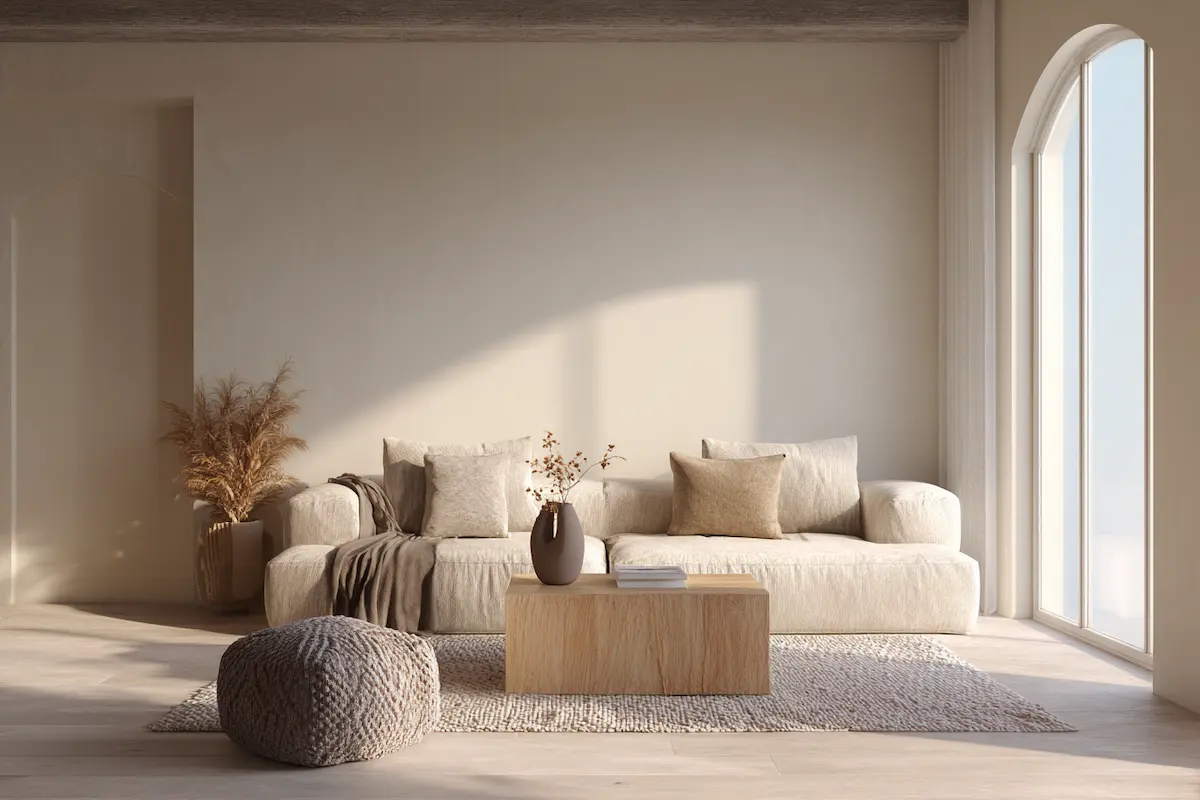
How to Style Your Home for Every Season in Crafted Minimalism
Crafted Minimalism is often seen as calm, grounded, and consistent — but that doesn’t mean it’s static. A well-designed space doesn’t stay exactly the same throughout the year. Instead, it subtly shifts with the seasons, almost like it’s breathing along with the environment outside.
Think of the way light softens in autumn, or how spring air makes a room feel lighter without changing a single piece of furniture. In a crafted minimalist interior, these shifts aren’t forced through obvious seasonal decor. You won’t find shelves filled with themed objects or bold, temporary accents. Instead, the change happens through materials, textures, and the way light interacts with them.
That’s what makes seasonal styling in this style so powerful — and so easy to get wrong. It’s not about adding more. It’s about adjusting what’s already there in a way that feels natural and almost unnoticeable at first glance.
In this article, we’ll explore how to move your space through the seasons without disrupting its calm foundation — using subtle, intentional changes that actually enhance the atmosphere instead of cluttering it.
Disclaimer: This post may contain affiliate links. This means that if you click on one of these links and make a purchase, we may earn a small commission—at no extra cost to you.
All images featured in this article are AI-generated to illustrate the aesthetic and mood of the interior style. The products linked are carefully selected items that, in our view, most closely match the look and feel of these designs.
As an Etsy affiliate and Amazon Associate, we earn from qualifying purchases. We only recommend products we genuinely believe align with the style and atmosphere presented in our AI-created interiors.
The Philosophy: Less, But Intentional
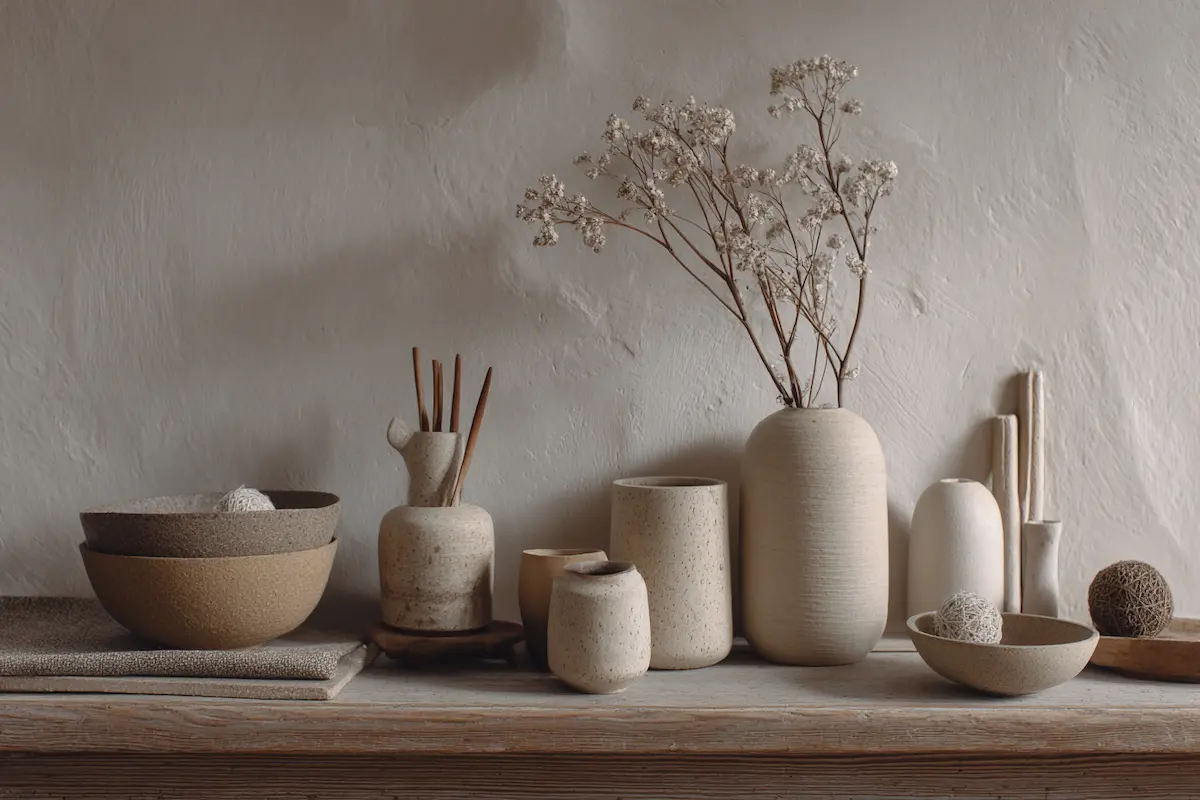
Seasonal styling in Crafted Minimalism isn’t about decorating your home for the season — it’s about tuning it. Where traditional interiors might swap out entire color schemes or introduce obvious themed elements, this approach stays rooted in restraint. The foundation of your space remains intact. What changes is the way it’s expressed.
Instead of adding more objects, you work with what already exists: materials, textures, and subtle shifts in tone. A space that felt light and breathable in summer doesn’t need to be redesigned for winter — it needs to be grounded. That might mean introducing a heavier fabric, a slightly warmer tone, or a surface that absorbs light differently. The structure stays the same, but the atmosphere evolves.
This is where many people go wrong. Seasonal styling is often treated as something external — an extra layer placed on top of an interior. In Crafted Minimalism, it works from within. Every adjustment has a purpose. Every piece earns its place, not because it fits a season, but because it deepens the feeling you want to create in that moment.
Think of it less as decorating, and more as refining. You’re not filling your home with seasonal cues — you’re allowing the space to respond naturally to changes in light, temperature, and rhythm. That’s why even the smallest shift can have a surprisingly large impact.
This idea of working with what already exists ties directly into How Materials Create Calm, where material behavior — not addition — defines atmosphere.
Spring & Summer: Light, Air, and Soft Contrast
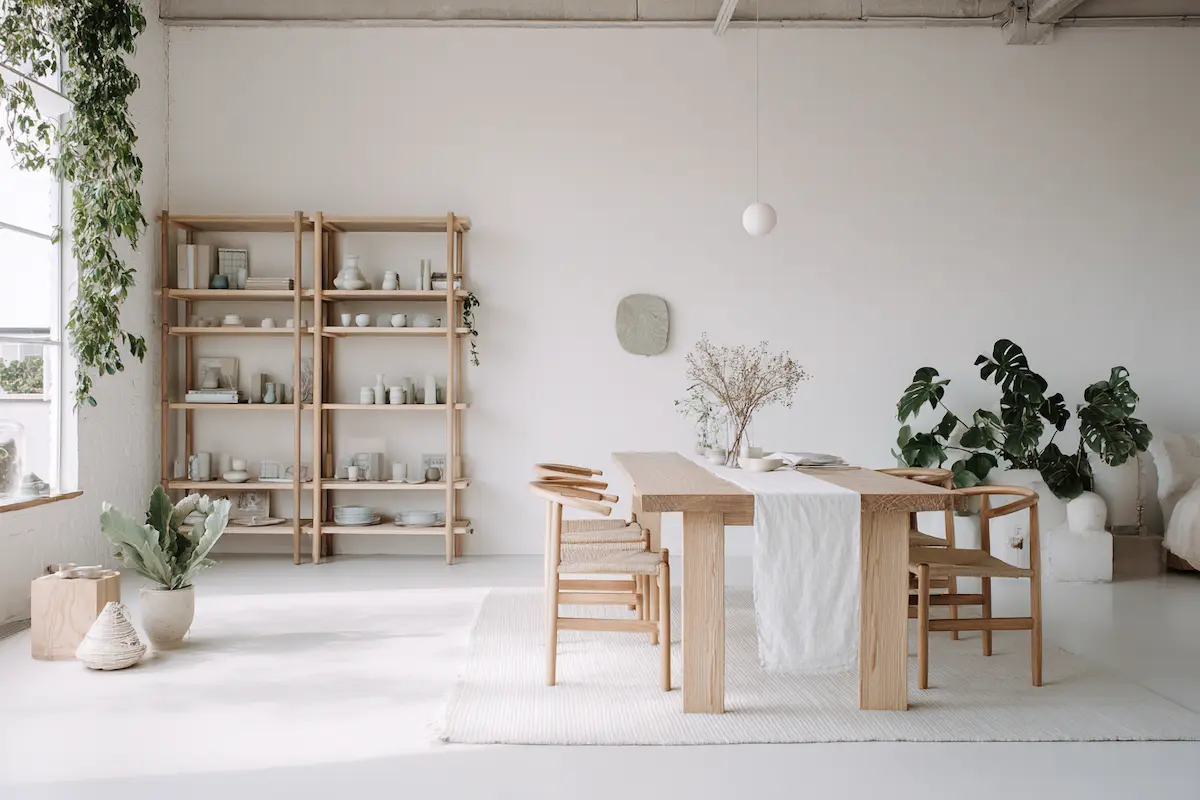
As the seasons shift into spring and summer, a crafted minimalist space naturally moves toward lightness — not just visually, but in how it feels. The air seems to flow differently, daylight stretches longer into the room, and surfaces begin to reflect rather than absorb. Instead of introducing bold seasonal decor, this is the moment to release weight from your interior.
The key here isn’t adding “freshness,” but revealing it. Heavier textures that felt grounding in winter can be softened or temporarily removed, allowing lighter materials like linen and cotton to take the lead. These fabrics don’t just look airy — they interact differently with light, creating subtle movement and softness throughout the space.
Color shifts also become more noticeable, but in a restrained way. Think warmer neutrals that lean slightly brighter — soft sand, chalky beige, muted clay. These tones don’t demand attention, but they quietly enhance the increased presence of daylight. The contrast in the room becomes gentler, more diffused.
What’s interesting is that you often don’t need to change much to achieve this effect. Even a single material swap can redefine the atmosphere. A heavier textile replaced with linen, or a darker object rotated out for something with a softer surface, can make the entire room feel more open.
Product 1 – Linen Textile as a Seasonal Shift
One of the simplest ways to create this transition is through a well-chosen linen piece — a throw, cushion cover, or even a lightweight draped fabric. Linen has a naturally irregular texture that catches light in a soft, diffused way, adding movement without visual noise.
The reason I would personally choose a linen piece here is because it doesn’t try to stand out. It blends into the space while still changing how the room feels. It softens edges, reflects daylight subtly, and reinforces that sense of calm openness that defines spring and summer in this style.
Product 2 – Handcrafted Ceramic Vase
A handmade ceramic vase is another perfect addition for this season — not as a decorative statement, but as a quiet focal point. The slight imperfections in the surface interact beautifully with natural light, creating depth even when the object itself is simple.
What makes this a strong choice is its versatility. It works with or without flowers, and it doesn’t rely on seasonal styling to feel relevant. In spring and summer, it can hold a few branches or soft greenery, but even empty, it contributes texture and presence without disrupting the calm composition of the space.
Autumn & Winter: Warmth, Depth, and Texture
Autumn & Winter: Warmth, Depth, and Texture
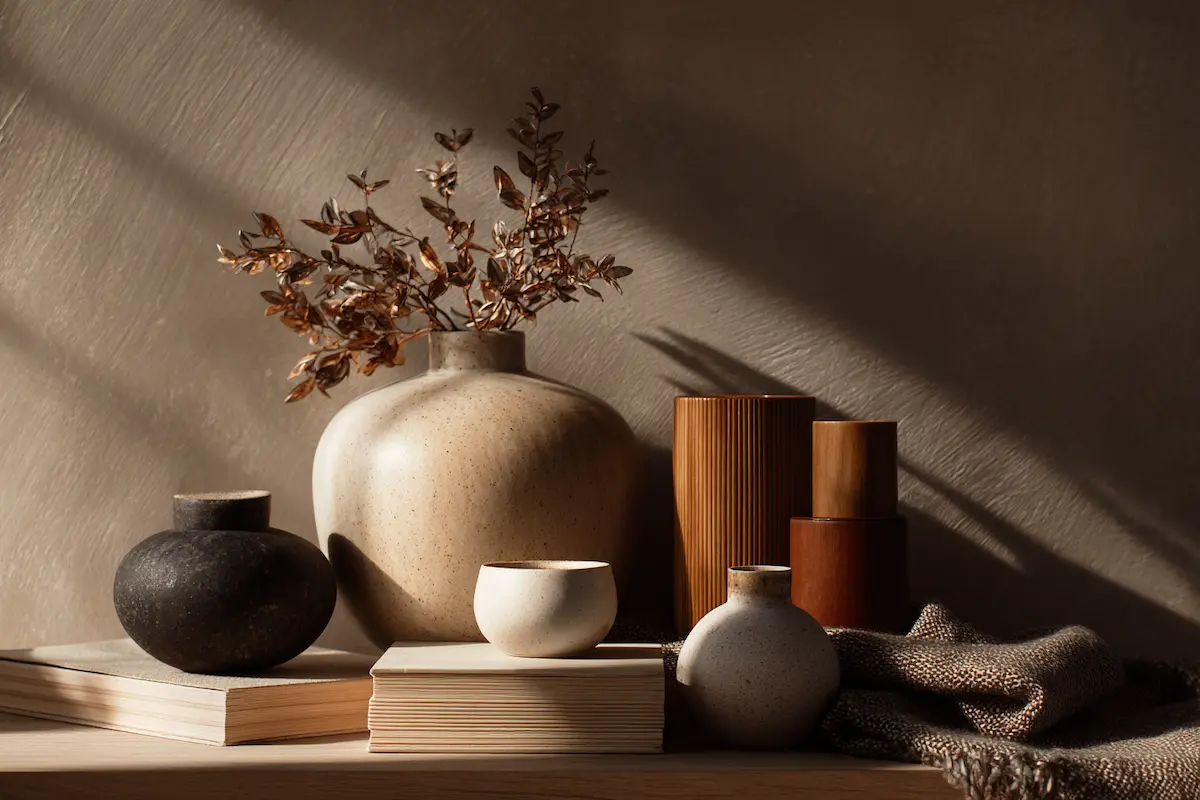
As the light begins to soften and the days grow shorter, a crafted minimalist interior naturally shifts in the opposite direction — not by adding more, but by deepening what’s already there. Where spring and summer are about openness and air, autumn and winter invite a sense of grounding. The space becomes quieter, more intimate, and slightly more enclosed.
This transition is less about color changes and more about how materials behave. Surfaces that once reflected light now begin to absorb it. Textures become more noticeable, not because there are more of them, but because the light interacting with them has changed. This is where richer materials like ceramic, clay, and wood start to play a more prominent role.
Instead of introducing seasonal decor, you subtly shift the balance. A lighter textile might be replaced with something denser. A smoother object might give way to something with more tactile depth. These changes don’t interrupt the space — they anchor it. The overall composition remains minimal, but it gains a sense of weight and calm that feels aligned with the season.
Lighting also becomes more intentional here. As natural light fades earlier in the day, artificial lighting isn’t just functional — it shapes the atmosphere. Warm, diffused light creates depth, softens contrasts, and highlights the textures that define this style.
If you want to take this seasonal shift further into the holiday months, Crafted Minimalist Holiday Decor shows how to do that without breaking the calm foundation.
This appreciation for handmade imperfection connects to a broader philosophy. Wabi-Sabi in Crafted Minimalism explores where that influence comes from.
Product 3 – Handcrafted Ceramic Object for Subtle Depth
A piece like this Ceramic Handmade Ornaments Chinese Decoration is exactly the kind of object that works in autumn and winter without feeling seasonal or forced. The handmade quality adds small imperfections and variations in the surface, which become much more visible in softer, lower light.
That’s why I would personally choose a ceramic object like this. It doesn’t rely on color or size to stand out — it relies on texture. As the light in your space becomes warmer and more directional, these subtle details start to create depth almost on their own. It’s a quiet shift, but it changes how the entire surface around it feels.
Product 4 – Modern Pottery as a Grounding Element
Pieces from Modernized Pottery collection are a perfect fit for this seasonal transition. They bring a slightly heavier visual presence without overwhelming the space, which is exactly what you want in the colder months.
What makes this type of pottery so effective is the balance between simplicity and tactility. The forms stay minimal, but the material adds warmth and softness to the overall composition. I would choose something like this because it anchors the space — especially in areas where light naturally fades, like corners or side tables.
It’s not about adding decoration. It’s about adding weight in a way that still feels completely aligned with crafted minimalism.
How Light Changes Seasonal Styling
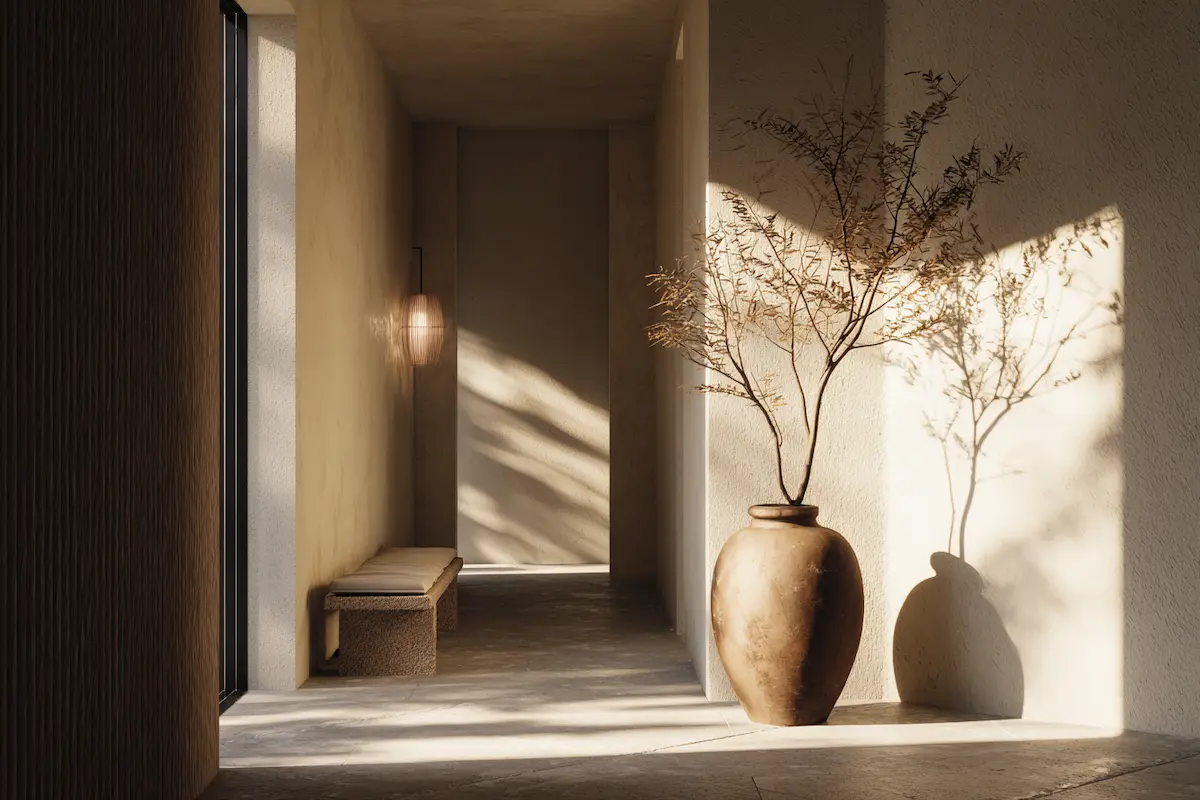
One of the most overlooked aspects of seasonal styling is that the biggest shift doesn’t come from objects — it comes from light. The same space, with the same materials, can feel completely different depending on how light moves through it.
In spring and summer, light is stronger, higher, and more direct. It fills the room more evenly and tends to flatten shadows. Surfaces appear lighter, textures feel softer, and the overall atmosphere becomes more open. This is why lighter materials and subtle contrasts work so well — they enhance what the light is already doing.
In autumn and winter, the opposite happens. Light enters at a lower angle, becomes warmer, and creates deeper shadows. Instead of filling the space, it highlights specific areas. Textures become more pronounced, and materials like ceramic, wood, and stone start to reveal their depth in a way that isn’t visible during brighter months.
This is where seasonal styling becomes less about what you add, and more about how you position and combine what you already have. A ceramic object placed in direct summer light might feel subtle and understated, while the same object in winter light suddenly becomes a focal point.
That’s also why reflective and matte surfaces play such an important role. In brighter months, slightly reflective finishes can help distribute light more evenly. In darker months, matte and textured materials absorb light, creating that softer, more grounded atmosphere.
If you start looking at your space through this lens, styling becomes much simpler. Instead of asking “what should I add for this season?”, you start asking “how is light interacting with my space right now?” — and adjust from there.
Small Seasonal Switches That Make a Big Impact
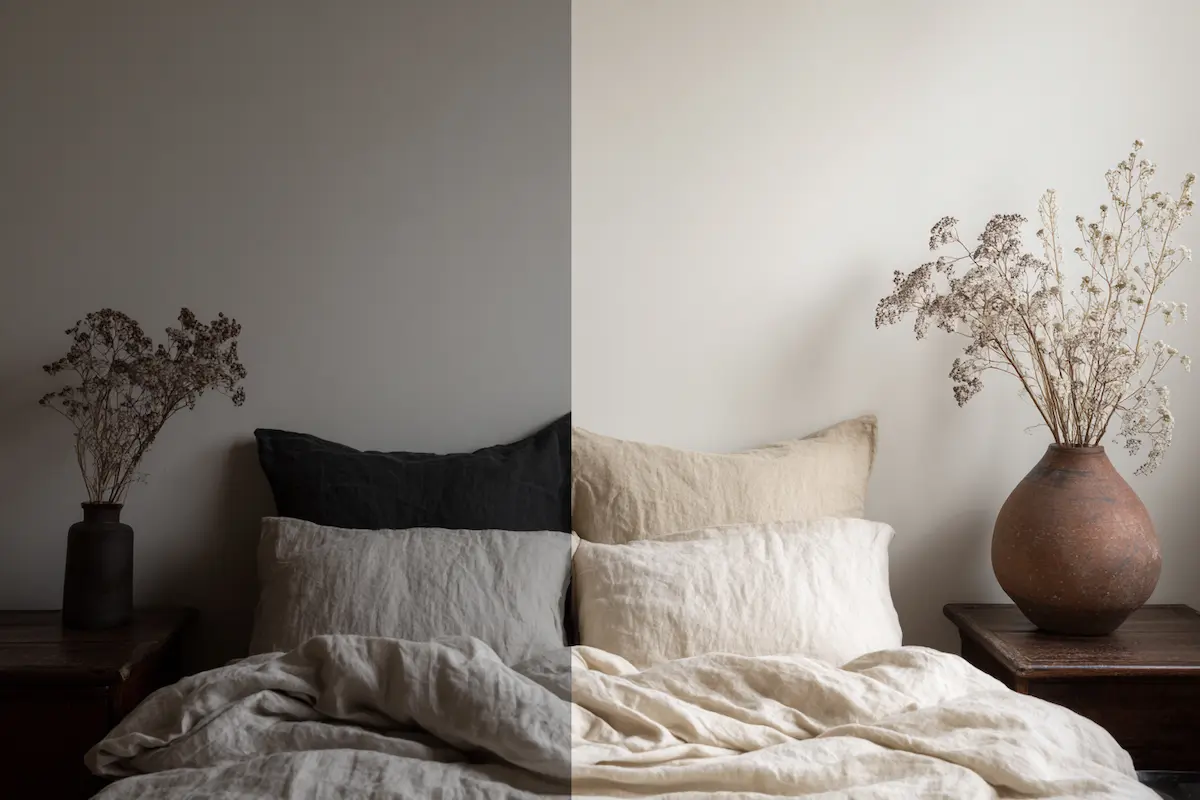
One of the biggest misconceptions about seasonal styling is that it requires visible change. In reality, the most effective shifts are often the ones you barely notice — until you feel them. In Crafted Minimalism, it’s these small, intentional adjustments that redefine the atmosphere without disrupting the calm foundation of your space.
Instead of replacing entire setups, you work with rotation. A heavier textile can be stored and swapped for something lighter. A ceramic object can move from a darker corner into direct light. A surface that once held multiple items can be cleared to create more openness. These aren’t dramatic transformations — but they subtly change how the room is experienced.
What makes this approach so powerful is that it reduces the need for constant consumption. You’re not buying new decor every season. You’re learning how to use the same pieces differently, depending on light, temperature, and mood. That shift in mindset is what keeps the space feeling intentional rather than styled.
Even small details, like the placement of a single object, can influence the entire composition. A vase moved closer to a window suddenly interacts with light. A darker object placed against a neutral background creates contrast that wasn’t there before. These are the kinds of changes that feel natural — not forced.
Over time, this creates a home that evolves quietly. One that adapts to the season without ever losing its identity.
Common Mistakes in Seasonal Minimalist Styling
Seasonal styling often goes wrong the moment it becomes visible. The more obvious the change, the more it tends to clash with the calm, grounded nature of Crafted Minimalism. Instead of enhancing the space, it starts to feel like an extra layer that doesn’t quite belong.
One of the most common mistakes is adding too many seasonal items at once. A few small changes can shift the entire atmosphere, but when multiple objects compete for attention, the space quickly loses its sense of balance. What was meant to feel warm or fresh ends up feeling cluttered.
Another pitfall is leaning too heavily into seasonal themes. Think overly literal autumn tones, spring pastels, or decorative objects that only “work” for a few months. These choices tend to date quickly and break the timeless quality that defines this style. Crafted Minimalism isn’t about representing a season — it’s about responding to it in a subtle, material-driven way.
Lighting mistakes are also common. Using light that’s too bright or too cool can flatten textures and remove the depth that makes a space feel calm and layered. Especially in autumn and winter, harsh lighting can undo the entire atmosphere you’re trying to create.
Finally, there’s the tendency to treat seasonal styling as something separate from the rest of the interior. In reality, it should feel like a natural extension of it. If a change feels forced or stands out too much, it usually means it’s not aligned with the core of the space.
Conclusion – A Home That Evolves Naturally
Seasonal styling in Crafted Minimalism isn’t about change for the sake of change. It’s about allowing your space to move with its surroundings — quietly, naturally, and without losing its core identity.
By focusing on light, material, and subtle shifts in texture, you create an interior that feels alive throughout the year without ever becoming cluttered or overstyled. Each season doesn’t require a new look — just a refined version of what’s already there.
That’s what makes this approach so powerful. It removes the pressure to constantly update your space and replaces it with something more intuitive. A home that adapts through small, intentional changes will always feel more balanced than one that tries to follow every seasonal trend.
If you’re unsure where to start, keep it simple. One well-chosen piece — something that responds to light, adds texture, or slightly shifts the mood — is often enough to transform the atmosphere.